Cologne: The Heart of the Rhineland
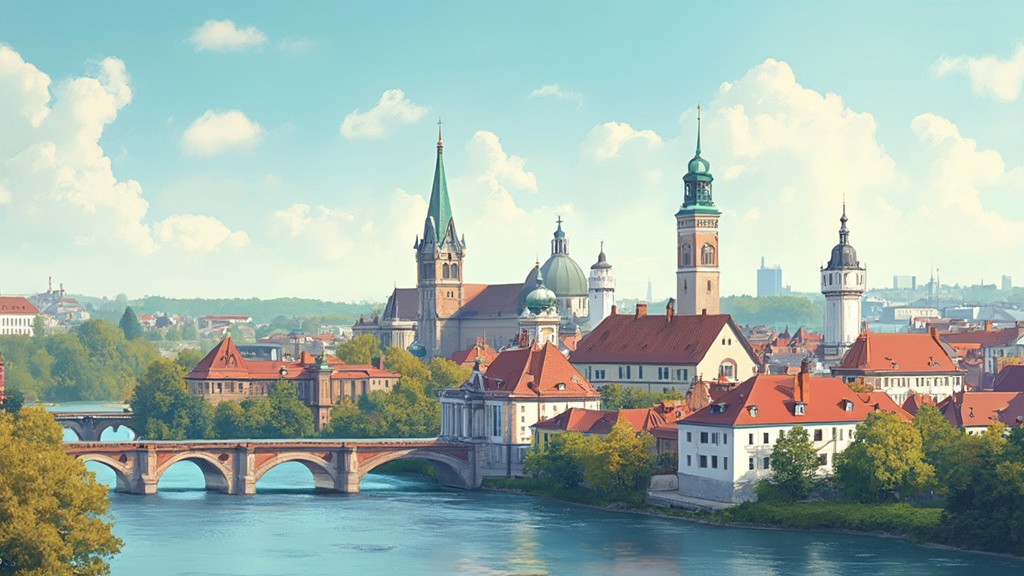
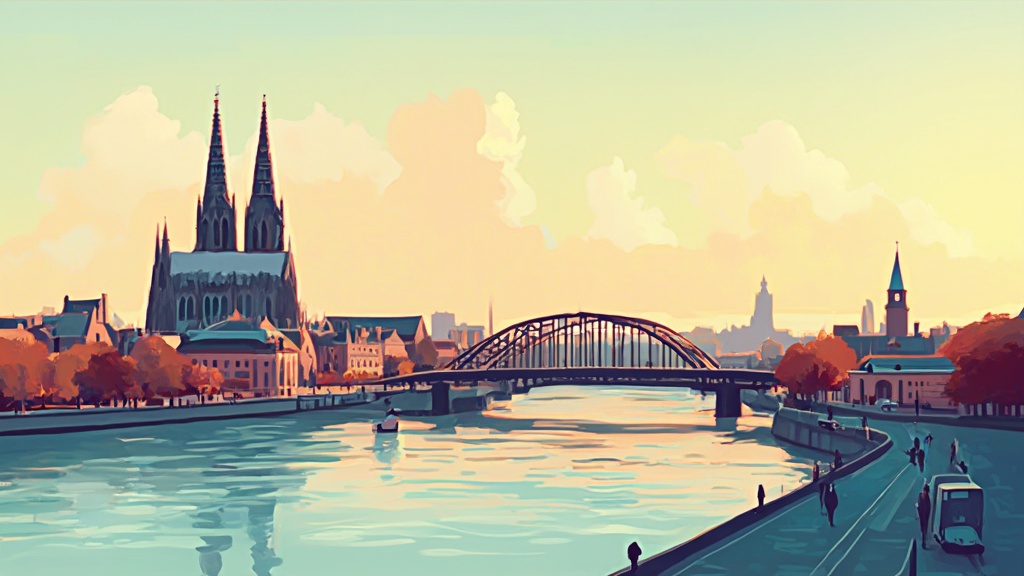
Cologne (Köln) is a city that knows how to celebrate life. This 2,000-year-old metropolis on the Rhine River combines Roman ruins, medieval magnificence, and modern vibrancy in a way that feels effortlessly authentic. Dominated by its twin-spired Gothic cathedral and fueled by its distinctive Kölsch beer culture, Cologne offers a warmth and conviviality that makes visitors feel like locals from the moment they arrive.
Why Visit Cologne
Cologne captivates visitors with its unique personality:
- The Dom - Germany's most visited landmark, a Gothic masterpiece 600 years in the making
- Kölsch Culture - The only beer in the world legally protected by geographic origin, served in distinctive small glasses
- Roman Heritage - One of the oldest cities in Germany, founded as a Roman colony in 50 AD
- Rhineland Spirit - Friendly, open-minded locals known for their humor and celebration
- Carnival Traditions - The "fifth season" when the city transforms into Germany's party capital
- World-Class Museums - Outstanding collections from Roman artifacts to contemporary art
- Walkable Old Town - Compact center perfect for exploring on foot
- Central Location - Gateway to the Romantic Rhine, within easy reach of major European cities
Best Time to Visit
Spring (April-May)
The Rhine promenades come alive as café terraces open and the famous Rheinpark blooms. Temperatures are mild (12-18°C), perfect for walking tours and beer garden visits. The city shakes off winter without summer crowds.
Summer (June-August)
Warm weather (20-28°C) brings outdoor festivals, Rhine cruises at their best, and long evenings in beer gardens. Christopher Street Day in July makes Cologne one of Europe's most festive Pride celebrations. Book accommodations early for peak season.
Autumn (September-November)
Perhaps the ideal time to visit. Comfortable temperatures, smaller crowds, and the beginning of carnival season on November 11 at 11:11 AM. The annual literature festival and museum nights add cultural depth.
Winter (December-February)
Cologne's Christmas markets are among Germany's most magical, with seven distinct markets transforming the city center. The famous "Kölner Dom" Christmas market at the cathedral is unforgettable. Carnival reaches its climax in February with street parades and citywide celebrations.
Cologne Cathedral (Kölner Dom)
A Gothic Masterpiece
The Cologne Cathedral isn't just a church—it's a statement. This UNESCO World Heritage Site took over 600 years to complete (1248-1880) and remains the largest Gothic church in Northern Europe. Its twin spires reach 157 meters, making it Germany's second-tallest structure when completed.
What to See Inside
-
Shrine of the Three Kings
- Largest reliquary in the Western world
- Houses remains of the biblical Magi
- Medieval goldwork masterpiece
- Reason the cathedral was built
-
Gero Cross
- Oldest large crucifix north of the Alps
- Dates to around 976 AD
- Remarkably emotional medieval sculpture
- Located in a side chapel
-
Stained Glass Windows
- Medieval windows on the south side
- Gerhard Richter's controversial modern window (2007)
- 11,500 squares of colored glass
- Best light in morning hours
-
South Tower Climb
- 533 steps to the viewing platform
- Panoramic Rhine and city views
- Close-up views of the bells
- Not for the faint-hearted
Visiting Tips
- Entry to the cathedral is free
- Tower climb requires tickets (€6)
- Avoid Sunday mornings (services)
- Join a guided tour for hidden details
- Evening visits are atmospheric
- The square outside has the best photo angles
Historic Landmarks
Roman Cologne
Cologne was founded as "Colonia Claudia Ara Agrippinensium" in 50 AD, and Roman traces are everywhere:
-
Romano-Germanic Museum
- Stunning Dionysus mosaic
- Daily life in Roman Cologne
- Glasswork collection
- Built over Roman villa remains
-
Roman Tower (Römerturm)
- Best-preserved Roman structure
- Original city wall corner
- Intricate stonework patterns
- Free to view, fascinating history
-
Praetorium
- Roman governor's palace ruins
- Underground archaeological zone
- Part of the MiQua project
- Layers of Cologne history
Medieval Old Town (Altstadt)
The reconstructed old town (largely rebuilt after WWII) captures the medieval character of Cologne:
-
Gross St. Martin
- Romanesque church landmark
- Distinctive clover-leaf towers
- Peaceful interior
- Old Town skyline icon
-
Historic Town Hall (Rathaus)
- Germany's oldest town hall
- Gothic tower with 124 statues
- Renaissance loggia
- Guided tours available
-
Fischmarkt
- Historic fish market square
- Colorful gabled houses
- Riverside atmosphere
- Great for photos
Neighborhoods to Explore
Altstadt (Old Town)
The historic heart along the Rhine, mixing touristy spots with genuine local brewhouses. The Heumarkt and Alter Markt squares host festivals and markets. Narrow streets hide traditional Kölsch pubs where time stands still.
Highlights:
- Riverside promenades
- Traditional brewhouses (Früh, Gaffel, Peters)
- Christmas markets in winter
- Lively café scene
Belgian Quarter (Belgisches Viertel)
Cologne's trendiest neighborhood, where Art Nouveau buildings house boutiques, galleries, and some of the city's best restaurants. The streets are named after Belgian cities—Brüsseler Platz is the heart of the action.
Don't miss:
- Independent boutique shopping
- Third-wave coffee shops
- Evening drinks on Brüsseler Platz
- Street art and galleries
Ehrenfeld
This former industrial district is now Cologne's creative epicenter. Converted factories house clubs, studios, and startup offices. The street art tour here rivals Berlin.
Experience:
- Underground club scene
- Street art murals
- Multicultural restaurants
- Industrial-chic bars
Südstadt
South of the center, this residential neighborhood offers authentic local life. Chlodwigplatz and the surrounding streets have excellent restaurants, organic markets, and a village-like atmosphere.
Local favorites:
- Organic Öko-Markt on Saturdays
- Volksgarten park
- Family-friendly cafés
- Traditional Rhineland restaurants
Deutz
Across the Rhine from the Dom, Deutz offers the postcard views everyone recognizes. The Hohenzollern Bridge covered in love locks connects to the old town, while the Rheinpark offers green space and summer festivals.
Must-do:
- Walk the Hohenzollern Bridge at sunset
- Rhine cable car (seasonal)
- KölnTriangle observation deck
- Rheinpark summer events
Kölsch Beer Culture
Understanding Kölsch
Kölsch is more than beer—it's cultural identity. This pale, crisp, top-fermented beer can only be called Kölsch if brewed within Cologne's city limits. Served in small 0.2-liter glasses called Stangen (literally "sticks"), Kölsch keeps coming until you place your coaster on top of your glass.
The Brewhouse Experience
A traditional Kölsch brewhouse (Brauhaus) is essential Cologne. Blue-aproned waiters called Köbes mark tallies on your coaster and deliver fresh glasses without being asked. The atmosphere is convivial—expect to share tables with strangers who quickly become friends.
Top Brewhouses
-
Früh am Dom
- Most famous, steps from cathedral
- Traditional food and atmosphere
- Tourist-friendly but authentic
- Multiple floors and garden
-
Gaffel am Dom
- Family-owned since 1302
- Cathedral views from terrace
- Classic Rhineland dishes
- Excellent Kölsch quality
-
Peters Brauhaus
- Old Town institution
- Wood-paneled tradition
- Local crowd mixed with visitors
- Outstanding brewery food
-
Päffgen
- Beloved local favorite
- Slightly off tourist path
- Unfiltered Kölsch
- Authentic atmosphere
-
Malzmühle
- Heumarkt location
- Excellent food menu
- Historic building
- Popular with locals
Kölsch Etiquette
- Never ask for a large beer (there's only one size)
- Place coaster on glass to stop refills
- Expect table sharing
- Tipping rounds up to nearest euro
- Don't compare to other beers (locals take offense)
- "Kölle Alaaf!" is the Cologne toast
Culinary Cologne
Traditional Rhineland Dishes
-
Himmel un Ääd (Heaven and Earth)
- Black pudding with mashed potatoes and apple sauce
- The classic Cologne combination
- Sweet and savory perfection
-
Halver Hahn
- Not half a chicken as the name suggests
- Rye bread roll with aged Gouda
- Served with mustard and onions
- Classic brewhouse snack
-
Kölscher Kaviar
- Blood sausage with onion rings
- Despite the name, nothing like caviar
- Local delicacy, not for everyone
-
Rheinischer Sauerbraten
- Marinated pot roast
- Sweet-sour gravy
- Served with dumplings
- Rhineland Sunday tradition
-
Reibekuchen
- Crispy potato pancakes
- Served with apple sauce
- Street food at Christmas markets
- Also called Kartoffelpuffer
Modern Dining Scene
Cologne's food scene has exploded beyond traditional fare:
- Belgian Quarter restaurants offer international cuisine
- Südstadt hosts farm-to-table concepts
- Ehrenfeld specializes in creative street food
- Michelin-starred options for special occasions
- Vibrant brunch culture on weekends
Markets
- Weekly Markets - Fresh produce throughout the city
- Carlswerk Food Market - Street food in Ehrenfeld
- Veggie Christmas Market - Unique December tradition
- Nippes Market - Local Saturday morning ritual
Museums & Culture
Essential Museums
-
Museum Ludwig
- One of Europe's most important modern art collections
- Largest Pop Art collection outside USA
- Picasso, Warhol, Lichtenstein
- Behind the cathedral
-
Romano-Germanic Museum
- Roman Cologne brought to life
- Dionysus mosaic in situ
- Ancient glasswork collection
- Currently being renovated
-
Wallraf-Richartz Museum
- Medieval to 19th-century art
- Outstanding Gothic collection
- Dürer, Rubens, Rembrandt
- Less crowded than Ludwig
-
Chocolate Museum
- Lindt-sponsored cocoa celebration
- Production process explained
- Chocolate fountain finale
- Rhine waterfront location
-
Fragrance Museum (Farina House)
- Birthplace of Eau de Cologne
- 300+ years of perfume history
- Original production rooms
- Guided tours only
Cultural Calendar
- Carnival (February) - Germany's biggest celebration
- Lit.Cologne (March) - Major literature festival
- Christopher Street Day (July) - Pride celebration
- c/o pop Festival (August) - Music and art
- Cologne Christmas Markets (December) - Magical winter tradition
Carnival Season
The Fifth Season
Cologne Carnival isn't just a festival—it's a state of mind. Preparations begin November 11 at 11:11 AM and climax with the "crazy days" before Lent (usually February). For six days, the city surrenders to costumed revelry, street parties, and parades.
Key Dates
- Weiberfastnacht (Women's Carnival Thursday) - Women "rule" the city, cutting off men's ties
- Rose Monday (Rosenmontag) - The main parade with millions of spectators
- Ash Wednesday - Traditional fish dinner ends the festivities
What to Know
- Everyone wears costumes (don't be the odd one out)
- "Kölle Alaaf!" is the carnival greeting
- "Bützchen" (little kisses on the cheek) are traditional
- Book accommodations months ahead
- Join in—locals love participating visitors
Day Trips from Cologne
Within 1 Hour
-
Bonn (30 minutes)
- Beethoven's birthplace
- Former West German capital
- Museum Mile
- University town charm
-
Aachen (45 minutes)
- Charlemagne's imperial capital
- UNESCO cathedral
- Thermal spas
- Best Printen cookies
-
Düsseldorf (30 minutes)
- Friendly rivalry city
- Art and fashion
- Altstadt "longest bar"
- Different beer (Altbier)
-
Brühl (20 minutes)
- UNESCO Augustusburg Palace
- Rococo masterpiece
- Phantasialand theme park
- Perfect half-day trip
The Romantic Rhine
The Rhine Valley south of Cologne is UNESCO-listed perfection:
- Drachenfels - Dragon Rock near Königswinter
- Koblenz - Confluence of Rhine and Moselle
- Bacharach - Medieval wine village
- Loreley - Legendary rock and viewpoint
- Rhine cruises depart from Cologne
Practical Information
Getting Around
Public Transport:
- Efficient U-Bahn (metro) and S-Bahn (city rail)
- Extensive tram and bus network
- Single tickets, day passes, and group options
- KölnCard includes transport and museum discounts
On Foot:
- Old town is entirely walkable
- Most attractions within 20 minutes of cathedral
- Rhine promenades perfect for strolling
- Belgian Quarter best explored by foot
By Bike:
- Flat terrain ideal for cycling
- KVB bike-sharing available
- Dedicated bike lanes throughout
- Popular with locals
From the Airport
- Cologne/Bonn Airport is 15km from center
- S-Bahn S13 takes 15 minutes to Hauptbahnhof
- Taxi approximately €30
- Good connections to the region
Money Matters
- Euros (€)
- Cash still preferred in many traditional places
- Cards increasingly accepted
- ATMs throughout the city
- Tipping 5-10% customary
Safety
Cologne is generally very safe. The usual urban awareness applies:
- Watch belongings in crowded areas
- Hauptbahnhof area can be rough at night
- Carnival brings petty theft—secure valuables
- Well-lit, busy streets throughout center
Local Secrets
Hidden Gems
-
Melaten Cemetery
- Historic burial ground
- Beautiful sculptures
- Peaceful walking paths
- Notable Cologne citizens
-
Eigelstein Gate
- Medieval city gate
- Northern old town entrance
- Less visited than other gates
- Authentic neighborhood beyond
-
Japanese Garden
- In Rheinpark
- Tranquil escape
- Free entry
- Summer teahouse
-
Flora Botanical Garden
- Victorian greenhouse
- Free entry
- Beautiful in all seasons
- Wedding photo favorite
Local Tips
- Learn to say "Kölle" (local pronunciation of Köln)
- Sundays are quiet—most shops closed
- Summer evenings on the Rhine banks are magical
- Ask locals for current favorite spots—they love sharing
- The Dom is most atmospheric at dawn or dusk
Photography Spots
Best Views
- Deutzer Brücke - Classic cathedral panorama
- Hohenzollern Bridge - Love locks and Dom
- KölnTriangle Panorama - 103m viewing platform
- Rheinpark - Cathedral across the river
- Great St. Martin - Old town rooftops
Golden Hour Locations
- Rhine promenade near Chocolate Museum
- Fischmarkt colorful houses
- Dom south portal
- Hohenzollern Bridge love locks
- Belgian Quarter street scenes
Conclusion
Cologne is a city that grows on you. The first sight of the Dom rising above the Rhine is unforgettable, but it's the convivial brewhouse culture, the friendly Rhineland welcome, and the city's refusal to take itself too seriously that make visitors fall in love. Whether you're here for the Christmas markets, carnival madness, or simply to experience one of Germany's most livable cities, Cologne delivers an authenticity that's increasingly rare in Europe.
Come for the cathedral. Stay for the Kölsch. Return for the people.
FAQ
Is Cologne safe for tourists?
Yes, Cologne is very safe. Exercise normal urban caution, particularly around the main station at night and during crowded carnival celebrations.
How many days do you need in Cologne?
Two to three days is ideal—enough for the cathedral, museums, beer culture, and a day trip. One day feels rushed; four days allows for deeper exploration.
Do you need cash in Cologne?
Traditional brewhouses and smaller shops often prefer cash. Cards are accepted at major attractions, hotels, and modern restaurants, but carrying some euros is wise.
What's the difference between Cologne and Köln?
Köln is the German name; Cologne is the English/French version. Locals say "Köln" (or "Kölle" in dialect). Both refer to the same city.
When is Cologne Carnival?
Carnival celebrations run from November 11 to Ash Wednesday (usually February). The main "crazy days" are the Thursday through Tuesday before Ash Wednesday.