Frankfurt: Where History Meets the Future
Frankfurt am Main defies expectations. Germany's financial powerhouse and Europe's banking capital is far more than glass towers and business suits. This compact city on the Main River offers a fascinating contrast between gleaming skyscrapers and half-timbered reconstructions, world-class museums and earthy apple wine taverns, international sophistication and deeply rooted local traditions.
Why Visit Frankfurt
Frankfurt rewards curious travelers with:
- Unique Skyline - Germany's only true skyline, nicknamed "Mainhattan"
- Museum Mile - Dozen world-class museums along the river
- Römerberg - Postcard-perfect reconstructed medieval square
- Apfelwein Culture - Distinctive cider tradition unique to the region
- Central Location - Germany's transport hub, perfect base for exploration
- Cultural Depth - Goethe's birthplace with surprising creative energy
- Green Spaces - More than 50% of the city is parks and gardens
- International Flair - One of Europe's most diverse cities
Best Time to Visit
Spring (April-May)
Frankfurt blooms beautifully. The Palmengarten botanical garden peaks, outdoor cafés open along the Main, and temperatures (12-20°C) invite long walks. The famous Dippemess folk festival brings carnival atmosphere in April.
Summer (June-August)
Warm weather (22-28°C) means riverside life at its best. The Museumsuferfest in August draws millions for one of Europe's largest cultural festivals. Beer gardens and rooftop bars thrive, though some locals escape for holidays.
Autumn (September-November)
Perhaps the finest season. The Frankfurt Book Fair in October makes the city a global literary capital. Pleasant weather, fall colors in the parks, and Apfelwein season at its peak. Fewer tourists, excellent cultural programming.
Winter (December-February)
The Christmas market on Römerberg is among Germany's oldest and most atmospheric. Cold but manageable (0-8°C), with cozy apple wine taverns offering refuge. Museums are peaceful, and the skyline sparkles.
The Frankfurt Skyline
Mainhattan
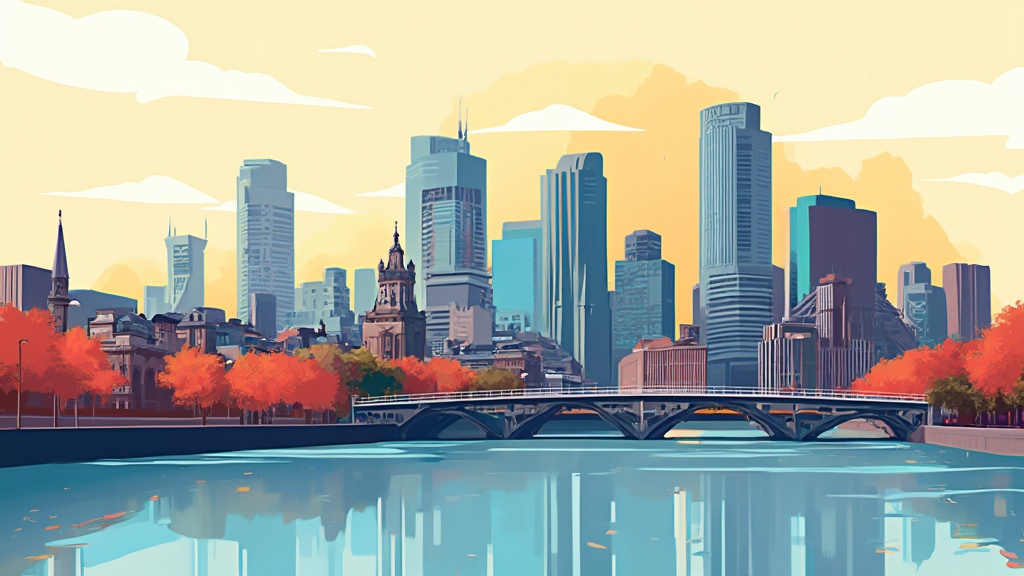
Frankfurt's skyline is unique in Germany. With strict height regulations elsewhere, Frankfurt became the country's only city with American-style skyscrapers. The contrast with the reconstructed medieval Römerberg creates a visual tension that defines the city.
Best Viewpoints
-
Main Tower Observation Deck
- 200m high, highest public viewing platform
- 360-degree panorama
- Restaurant and bar options
- Sunset visits are spectacular
- Open until late
-
Maintower Restaurant
- Fine dining with skyline views
- Booking essential
- Special occasion venue
- Both inside and terrace seating
-
Eiserner Steg Bridge
- Free, 24/7 access
- Classic skyline photo spot
- Love locks tradition
- Best at blue hour
-
Sachsenhausen Riverfront
- South bank promenade
- Full skyline reflected in Main
- Cafés and benches for contemplation
- Sunset golden hour ideal
Notable Buildings
- Commerzbank Tower - Eco-friendly design icon, 259m
- Main Tower - Public observation deck
- Messeturm - Trade fair pencil tower
- European Central Bank - Architectural statement in former market hall
- Westend Tower - DZ Bank headquarters
Historic Frankfurt
Römerberg
Frankfurt's heart for 600 years, Römerberg was devastated in WWII and painstakingly reconstructed. Today, this medieval square with half-timbered houses feels authentically historic, despite being largely rebuilt in the 1980s.
Key Features:
- Römer - The iconic stepped-gable town hall
- Gerechtigkeitsbrunnen - Justice Fountain at center
- Alte Nikolaikirche - Medieval church with carillon
- Ostzeile - Famous half-timbered row
New Old Town (DomRömer Quarter)
Completed in 2018, this ambitious project reconstructed 35 buildings between Römerberg and the cathedral. Using historical plans and techniques, Frankfurt created an "old" neighborhood that feels convincingly historic while housing modern apartments and boutiques.
What to See:
- Haus zur Goldenen Waage - Masterfully reconstructed Renaissance house
- Architectural details - Historical facades, carved doorways
- Boutiques and cafés - Modern life in old shells
- Archaeological garden - Roman and medieval ruins
Frankfurt Cathedral (Kaiserdom)
Not actually a cathedral (no bishop's seat), but where Holy Roman Emperors were crowned. The Gothic tower rises above the old town, and the interior houses the election chapel where emperors were chosen.
Visiting:
- Free entry
- Tower climb for views
- Imperial election history
- Quieter than expected
Paulskirche
This former church is Germany's democracy monument. The first freely elected German parliament met here in 1848. Now an exhibition space and ceremonial hall, it represents Germany's democratic aspirations.
Museum Mile (Museumsufer)
Frankfurt's museum concentration along the Main River is extraordinary—over a dozen institutions within walking distance.
Must-Visit Museums
-
Städel Museum
- One of Germany's finest art collections
- 700 years of European art
- Botticelli, Rembrandt, Vermeer, Monet
- Underground contemporary extension
- Don't miss the garden sculpture
-
Museum für Moderne Kunst (MMK)
- Contemporary art powerhouse
- Wedge-shaped building is art itself
- Roy Lichtenstein, Andy Warhol
- Rotating exhibitions
- Multiple satellite locations
-
Senckenberg Natural History Museum
- Germany's largest natural history museum
- Impressive dinosaur collection
- Interactive exhibits
- Family favorite
- Outside the river mile
-
German Film Museum
- Cinema history celebration
- Original film equipment
- Interactive exhibitions
- Regular screenings
- Architecture lovers' building
-
German Architecture Museum
- Villa within villa design
- Architecture and urban planning
- Rotating themed exhibitions
- Good museum shop
-
Museum of Applied Arts
- Richard Meier-designed building
- Design through the centuries
- Beautiful garden setting
- Book and furniture collections
Museum Tips
- Museumsufer Ticket - 2-day pass for all museums
- Saturday discount - Reduced entry at many museums
- Museumsuferfest (August) - Annual festival with special access
- Wednesday evenings - Extended hours at select museums
- Start early—one museum per day is realistic
Neighborhoods to Explore
Altstadt (Old Town)
The historic center around Römerberg mixes reconstruction with surviving medieval streets. Beyond the main square, discover quieter lanes, traditional restaurants, and glimpses of pre-war Frankfurt.
Don't miss:
- Morning coffee on Römerberg
- Goethe House and Museum
- Small specialty shops
- Historical architecture details
Sachsenhausen
South of the Main, Sachsenhausen offers two distinct experiences: the museum-lined riverfront and the legendary apple wine tavern district. Alt-Sachsenhausen's cobbled streets are where Frankfurters drink Apfelwein and eat traditional dishes.
Experience:
- Apple wine taverns (Ebbelwei)
- Museum Mile's south bank
- Flea market (Saturdays)
- Green sauce season (spring)
Bornheim
Called "Frankfurt's living room," this neighborhood feels like a village. Berger Strasse's shops, cafés, and restaurants draw locals year-round, while Wednesday and Saturday markets add traditional charm.
Local life:
- Berger Strasse shopping
- Independent boutiques
- Excellent restaurants
- Real neighborhood feel
Nordend
The northern district offers tree-lined streets, grand 19th-century buildings, and a bohemian atmosphere. Popular with families and young professionals, Nordend is where Frankfurters actually live.
Discover:
- Günthersburgpark
- Independent coffee shops
- International restaurants
- Residential architecture
Bahnhofsviertel
Frankfurt's red-light district has transformed into the city's hippest quarter. Between the inevitable seediness, find cutting-edge galleries, multicultural restaurants, and some of Frankfurt's most interesting bars. Visit by day first to get oriented.
The scene:
- Gallery scene
- Asian restaurants
- Diverse nightlife
- Urban edge
Apfelwein Culture
Understanding Ebbelwei
Apfelwein (Ebbelwei in dialect) is Frankfurt's answer to beer. This dry, tart apple cider has been drunk here since the Middle Ages. Served in a distinctive ribbed glass (Geripptes) from blue-gray stoneware jugs (Bembel), it's more than a drink—it's identity.
Traditional Taverns (Apfelwein-Wirtschaften)
-
Wagner
- Sachsenhausen institution since 1931
- Authentic atmosphere
- Traditional food
- Garden seating in summer
-
Dauth-Schneider
- Family-run for generations
- Excellent green sauce
- Reservations helpful weekends
- Real local crowd
-
Zur Sonne
- Tiny, authentic, essential
- Standing-room-only busy
- Best Handkäs mit Musik
- Pure Frankfurt experience
-
Adolf Wagner
- Classic Sachsenhausen tavern
- Traditional menu
- Large garden
- Tourist-friendly, still authentic
-
Zum Gemalten Haus
- Beautiful painted facade
- Historic building
- Standard dishes well executed
- Courtyard seating
What to Eat
-
Grüne Soße (Green Sauce)
- Frankfurt's signature dish
- Seven herbs, sour cream, eggs
- Seasonal (spring to fall)
- Goethe's claimed favorite
-
Handkäs mit Musik
- Translucent cheese with onions
- "Music" refers to digestive effects
- Vinegar marinade
- Acquired taste, local pride
-
Frankfurter Rippchen
- Cured pork chops
- Served with sauerkraut
- Hearty tavern standard
-
Bethmännchen
- Marzipan cookies
- Christmas specialty
- Named for banking family
- Available year-round
Drinking Customs
- Order a "Schoppen" (0.3L) or "Fuder" to share
- Apfelwein comes sauer (dry), sweet, or gespritzt (with sparkling water)
- Table sharing is expected
- Bembel jugs hold 1-2 liters
- Toast with "Zum Wohl!"
Cultural Frankfurt
Goethe's City
Germany's greatest writer was born here in 1749. His reconstructed birthplace (Goethe-Haus) and the adjacent museum offer deep insight into Enlightenment Frankfurt and the genius it produced.
Visiting:
- Surprisingly intimate experience
- Original furniture and objects
- Literary manuscripts
- Audio guide recommended
Performing Arts
-
Alte Oper
- Stunning concert hall
- Classical, jazz, pop performances
- Beautiful façade
- Opera Square location
-
Frankfurt Opera
- Multiple times "Opera House of the Year"
- Adventurous programming
- Modern building
- High artistic standards
-
English Theatre
- Largest English-language theater in continental Europe
- Quality productions
- Intimate venue
Annual Highlights
- Frankfurt Book Fair (October) - World's largest book fair
- Museumsuferfest (August) - Massive cultural festival
- Dippemess (April/September) - Traditional folk festival
- Christmas Market (December) - Historic Römerberg setting
- Nacht der Museen (April) - Museum night with special events
Day Trips from Frankfurt
Within 1 Hour
-
Heidelberg (50 minutes)
- Germany's most romantic city
- Castle ruins above the river
- University town atmosphere
- Essential Rhine country experience
-
Mainz (40 minutes)
- Gutenberg's printing press city
- Rhine riverfront
- Excellent wines
- Roman history
-
Wiesbaden (35 minutes)
- Elegant spa town
- 19th-century architecture
- Thermal baths
- State capital
-
Rhine Valley (1 hour)
- UNESCO-listed landscape
- Castle-dotted hillsides
- Riesling wine region
- Boat cruises available
Wine Country
Frankfurt sits at the crossroads of German wine regions:
- Rheingau - Premium Riesling, riverside villages
- Rheinhessen - Germany's largest wine region
- Franken - Distinctive Bocksbeutel bottles
- Nahe - Hidden gem for wine enthusiasts
Practical Information
Getting Around
Public Transport:
- Excellent S-Bahn, U-Bahn, tram, and bus network
- RMV integrated ticketing
- Day passes best value
- Airport connected by S-Bahn
On Foot:
- City center very walkable
- Römerberg to Sachsenhausen 15 minutes
- Museum Mile easily walked
- Riverside promenades ideal
By Bike:
- Flat city, good infrastructure
- Bike-sharing available
- Riverside paths
- Popular with locals
From the Airport
Frankfurt Airport is Germany's largest and excellently connected:
- S-Bahn to Hauptbahnhof (11 minutes)
- Regional trains to city center
- Long-distance trains to other cities
- Taxi to center €35-45
Money Matters
- Euros (€)
- Cards widely accepted
- Cash preferred in traditional taverns
- ATMs abundant
- Tipping 5-10%
Safety
Frankfurt is generally safe, but:
- Hauptbahnhof area requires awareness
- Bahnhofsviertel has visible drug scene
- Normal urban precautions apply
- Tourist areas very safe
- Police presence visible
Hidden Gems
Secret Spots
-
Palmengarten
- Historic botanical garden
- Tropical greenhouses
- Peaceful escape
- Events and concerts
-
Bethmann Park
- Chinese garden section
- Hidden behind buildings
- Free entry
- Contemplative atmosphere
-
Kleinmarkthalle
- Indoor market since 1954
- Fresh produce, prepared foods
- Second floor wine bar
- Local lunch spot
-
Schweizer Straße
- Sachsenhausen shopping street
- Independent boutiques
- Better than tourist shops
- Café culture
Local Insights
- Morning markets are best for authentic experience
- Sunday brunches are Frankfurt institution
- Summer evenings on the Main are magical
- Book Fair week is fascinating but crowded
- April and September Dippemess are genuine folk festivals
Photography Spots
Best Views
- Eiserner Steg at sunset - Classic skyline shot
- Main Tower observation deck - Panoramic possibilities
- Römerberg - Half-timbered perfection
- New Old Town details - Architectural photography
- Sachsenhausen riverfront - Skyline reflections
Golden Hour
- Main riverbanks facing east (morning) or west (evening)
- Römerberg in late afternoon
- Museum Mile along the water
- Skyline from Deutschherrnbrücke
Conclusion
Frankfurt surprises everyone who gives it a chance. Behind the banking towers lies a city of genuine character—where apple wine flows in ancient taverns, world-class art lines the riverbanks, and locals embrace both their half-timbered history and glass-tower future. The city's compactness means you can experience skyline views and medieval streets, cutting-edge museums and centuries-old drinking traditions, all in a single day.
Come for a layover. Stay because you've discovered one of Germany's most underrated cities.
FAQ
Is Frankfurt safe for tourists?
Yes, though the main station area requires awareness, especially at night. Tourist areas, museums, and Sachsenhausen are very safe.
How many days do you need in Frankfurt?
Two to three days allows you to see major museums, experience Apfelwein culture, and perhaps take a day trip. Business travelers often underestimate how much there is beyond meetings.
Do you need cash?
Traditional apple wine taverns prefer cash. Most other places accept cards, but carrying euros is recommended for markets and smaller establishments.
Is Frankfurt just a business city?
This is the biggest misconception. Yes, it's Germany's financial center, but the cultural offerings, historical sites, and local traditions make it a genuine travel destination.
What's special about Frankfurt Airport?
It's Germany's largest airport and a major European hub, making Frankfurt an excellent base for exploring the country. The airport itself has a train station with direct connections throughout Germany.