Berlin Travel Guide 2026: History, Street Art & Underground Culture
Berlin wears its scars proudly—from WWII bullet holes still pockmarking buildings to the graffiti-covered remnants of the Berlin Wall. This is a city that refuses to forget its painful past while racing headlong into a creative, multicultural future. Gritty, affordable, and unapologetically weird, Berlin attracts artists, techno kids, history buffs, and anyone seeking Europe's most alternative capital.
Why Visit Berlin?
- Living History: Walk through Checkpoint Charlie, touch the Berlin Wall, and stand where Hitler's bunker once was
- World-Class Museums: Museum Island houses 5 museums including the Pergamon with its reconstructed ancient gates
- Street Art Paradise: Every neighborhood is an open-air gallery—East Side Gallery, RAW Gelände, Kreuzberg walls
- Legendary Nightlife: 24-hour clubs like Berghain, underground techno scene, and party-till-Monday culture
- Incredible Value: Cheapest Western European capital—döner kebabs €4, beers €3, museums €12
- Green Spaces: More parks than Paris—Tiergarten, Tempelhofer Feld (former airport turned mega-park)
- Diverse Food Scene: From Michelin stars to Vietnamese mom-and-pop shops and legendary Turkish markets
Top Attractions in Berlin
Brandenburg Gate
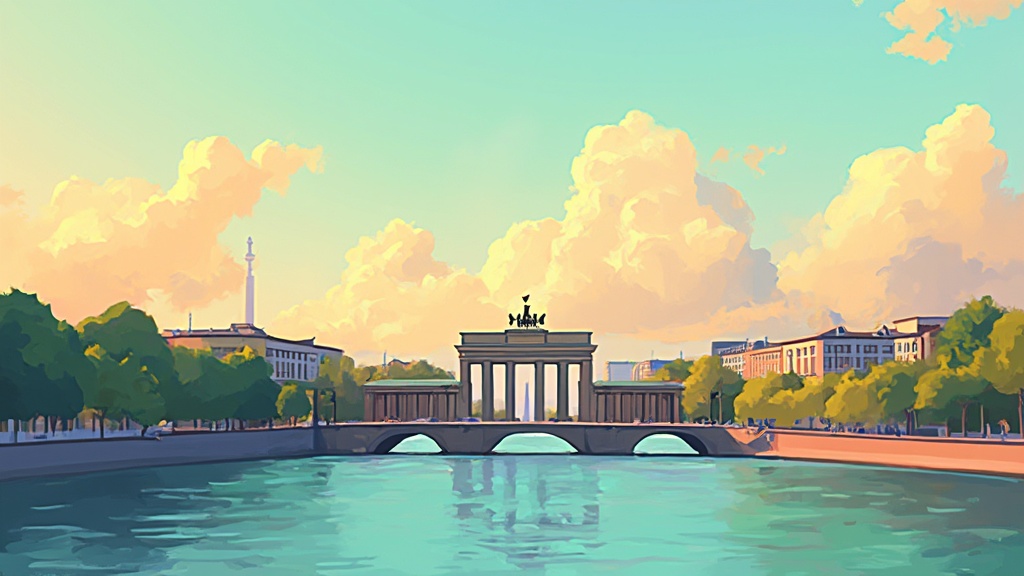
Berlin's iconic neoclassical monument symbolizing German reunification. Once stood in no-man's-land between East and West. Free to visit anytime, best at sunrise without crowds or lit up at night. Pariser Platz square surrounds it.
Berlin Wall Memorial & East Side Gallery
The 1.3km East Side Gallery is the longest remaining Wall section, covered in murals including the famous "Fraternal Kiss." Bernauer Strasse Memorial shows the Wall's actual depth with watchtowers and death strip preserved. Both are free and deeply moving.
Reichstag Building
Germany's parliament building with Norman Foster's modern glass dome offering 360° city views. Free entry but book online weeks ahead. Sunset visits are most popular. Audio guides explain the building's Nazi and Cold War history.
Museum Island
UNESCO site with 5 world-class museums on an island in the Spree River. Pergamon Museum (closed until 2027 for renovation) usually houses ancient architecture. Neues Museum has Nefertiti's bust. Buy a day pass (€19) to visit multiple museums.
Memorial to the Murdered Jews of Europe
2,711 concrete slabs of varying heights create a disorienting, somber memorial near Brandenburg Gate. Walk through the maze in silence. Underground information center provides historical context. Free entry, open 24/7.
Checkpoint Charlie
Former Cold War border crossing between East and West. The actual checkpoint is gone—what remains is a replica and somewhat tacky tourist area. Skip the expensive museum and just snap photos of actors dressed as soldiers.
Tiergarten Park
Berlin's "Central Park"—520-acre green lung with walking paths, beer gardens, Victory Column viewpoint, and Soviet War Memorial. Perfect for jogging, picnics, or escaping urban energy. Free outdoor concerts in summer.
Tempelhofer Feld
Former airport turned into a massive public park where planes once landed. Now Berliners bike, skate, kite-surf, grill, and hang out on the runways. Uniquely Berlin experience. Free entry from multiple gates.
Kreuzberg & Friedrichshain Neighborhoods
Berlin's hipster heartland—Turkish markets, canal-side hangouts, alternative bars, and street art everywhere. Explore Görlitzer Park, browse vintage shops on Wühlischstraße, and eat at multicultural restaurants.
Best Time to Visit Berlin
Spring (April-May)
Pleasant weather (12-20°C), parks bloom, outdoor café season begins. May Day (May 1) means protests and parties in Kreuzberg. Good balance of decent weather and manageable crowds.
Summer (June-August)
Peak season with warm weather (20-28°C), long days until 10 PM, open-air events, beer gardens packed. July-August sees the most tourists and highest prices. Book accommodation ahead.
Autumn (September-October)
Ideal conditions (10-18°C), beautiful fall colors, Oktoberfest vibes spill over from Munich, Berlin Art Week in September. Fewer tourists than summer, but still pleasant for sightseeing.
Winter (November-March)
Cold (0-5°C), gray, but atmospheric. Christmas markets in December, New Year's Eve at Brandenburg Gate (massive but intense). Lowest prices, smallest crowds, focus on museums and indoor attractions. Clubs stay packed regardless of weather.
Local Tips & Advice
- Cash is King: Many restaurants, bars, and shops are still cash-only. ATMs are everywhere but carry €50-100.
- Berlin Welcome Card offers transport and museum discounts—worth it if visiting 3+ attractions
- Sunday Shopping: Most stores closed on Sundays except tourist areas and train stations
- Club Entry is Subjective: Dress in black, don't speak English loudly in queue, be patient. Rejection is normal—try another club.
- Free Walking Tours: Excellent free tours depart daily from Brandenburg Gate (tip-based)
- Rent a Bike: Berlin is flat and bike-friendly with 1,000+ km of bike lanes
- Book Reichstag in Advance: Free but requires online booking 2-3 weeks ahead
- Pfand Bottle Deposits: €0.25 deposit on bottles/cans—return to machines in supermarkets
- Späti Culture: Late-night corner shops sell everything—embrace the Berlin institution
What to Eat in Berlin
Currywurst
Berlin's signature fast food—grilled pork sausage sliced and smothered in curry ketchup. Get it from street stands like Curry 36 or Konnopke's Imbiss. Order with fries and a beer for the full experience.
Döner Kebab
Turkish immigrants made Berlin the döner capital outside Turkey. Rotating lamb or chicken shaved into fresh bread with salad and sauce. Mustafa's Gemüse Kebap has 2-hour queues—try Imren Grill or Rüyam instead.
Schnitzel
Breaded and fried pork or veal cutlet served with potato salad or fries. Not unique to Berlin but done well at traditional restaurants. Order a Berlin Pilsner with it.
Bretzel (Pretzel)
Salty, chewy German pretzels from bakeries and street vendors. Perfect breakfast or beer snack. Find them at any Bäckerei for €1-2.
Pfannkuchen (Berliner)
Jelly-filled doughnuts without holes, dusted with sugar. JFK famously said "Ich bin ein Berliner"—yes, he called himself a doughnut. Get them fresh from bakeries.
International Food
Berlin's diversity shines in food—Vietnamese pho, Israeli hummus, Syrian falafel, Thai curries. Kreuzberg and Neukölln have the best international options at great prices.
Craft Beer
Berlin's craft beer scene explodes with microbreweries and beer gardens. Try local breweries like BRLO Brwhouse, Heidenpeters, or Vagabund. Beer gardens along Spree River in summer are magical.
Neighborhoods to Explore
Mitte: Historic center with Museum Island, Brandenburg Gate, Unter den Linden boulevard. Most tourists stay here. Excellent location but pricey and less "real Berlin."
Kreuzberg: Alternative, multicultural, gritty. Turkish markets, punk bars, street art, canal hangouts. SO36 and Oranienstraße are the heart. Young, hip, and less polished.
Friedrichshain: East Berlin cool—RAW Gelände (abandoned train depot turned cultural space), East Side Gallery, Soviet architecture, legendary clubs. Student-friendly and vibrant.
Prenzlauer Berg: Gentrified hipster neighborhood with cafés, boutiques, flea markets, and organic shops. Mauerpark's Sunday flea market and karaoke. Family-friendly with young professionals.
Neukölln: The "next big thing" neighborhood—immigrant communities, cheap rents attract artists, underground clubs, Turkish bakeries, and dive bars. Authentic and rough around edges.
Getting Around
Berlin's public transport (BVG) is extensive—U-Bahn (metro), S-Bahn (commuter rail), trams, and buses cover everything. Buy an AB zone ticket for city center (€3.20 single, €9.50 day ticket). Ticket machines take cards and cash.
Validate your ticket before boarding! Inspectors issue €60 fines for fare dodgers. Tickets valid across all transport modes.
Bikes are everywhere—rent from Nextbike or Lime for easy exploration. Berlin is flat and bike lanes are excellent (though watch for cars).
Taxis and Uber work well but public transport is usually faster and cheaper.
Where to Stay in Berlin
Luxury (€150+): Design hotels in Mitte like Hotel de Rome or Soho House. Expect rooftop bars, spas, and central locations.
Mid-Range (€60-150): Boutique hotels and apartments in Kreuzberg or Friedrichshain offer character and proximity to nightlife. Airbnb is popular and well-priced.
Budget (€20-60): Excellent hostels throughout the city—Generator, Plus Berlin, St. Christopher's. Clean, social, and often have bars attached. Private rooms available at budget hotels.
Best Area for First-Timers: Friedrichshain for cool Berlin vibe with good transport, or Mitte for walking to major sights (but less authentic atmosphere).
Frequently Asked Questions
How many days do you need in Berlin?
3-4 days covers major sights, museums, nightlife, and getting a feel for different neighborhoods. History buffs could easily spend a week diving into WWII and Cold War sites. Add more days if you want to experience the club scene properly.
Is Berlin safe for tourists?
Yes, Berlin is very safe with low violent crime. Watch for pickpockets in tourist areas and on public transport. Some neighborhoods like Neukölln feel sketchy at night but are generally fine. Keep valuables secure and stay aware.
What is Berlin known for?
Berlin is famous for the Berlin Wall and Cold War history, WWII sites (Reichstag, Holocaust Memorial), world-class museums (Museum Island), underground techno clubs (Berghain), street art, alternative culture, and being Europe's most affordable capital.
What food should I try in Berlin?
Don't miss currywurst (curry ketchup sausage), döner kebab, schnitzel, pretzels, and Berliner doughnuts. Berlin's strength is international food—Vietnamese, Turkish, Middle Eastern—thanks to its immigrant communities.
Do I need cash in Berlin?
Yes! Many places are still cash-only, especially bars, restaurants, and clubs. Germans prefer cash for privacy reasons. Carry €50-100 and use ATMs when needed. Cards work at hotels, museums, and chain stores.
Is English widely spoken in Berlin?
In tourist areas, yes—most hotels, museums, and restaurants have English-speaking staff. Younger Berliners speak good English. Older East Germans may speak less. Learning basic German phrases is appreciated but not essential.
Berlin Travel Guide 2026 - Last updated: February 2026