Phoenix: Where the Desert Comes Alive
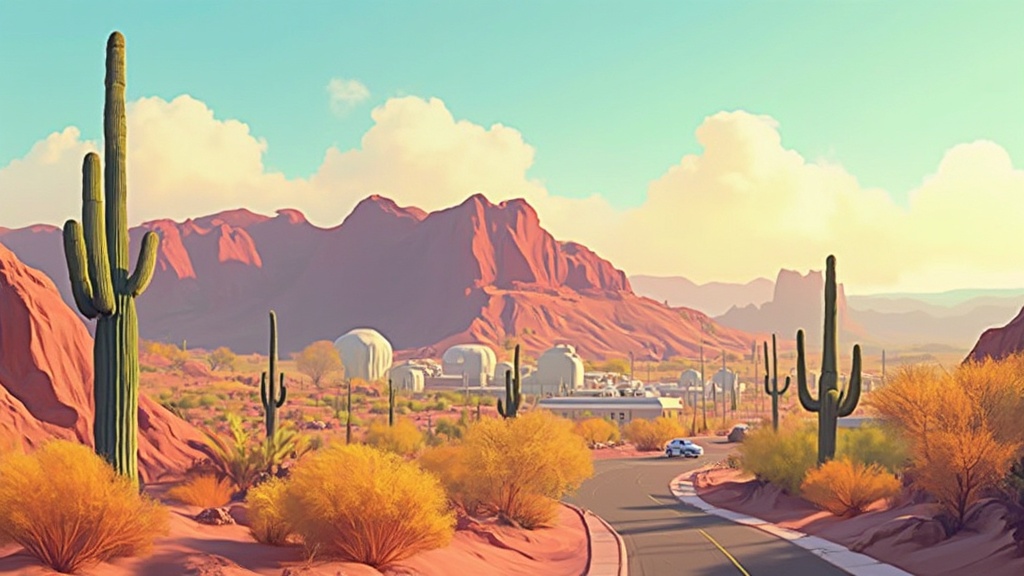
Phoenix surprises people who think of it as just sun and sprawl. Yes, the Valley of the Sun delivers over 300 days of sunshine annually, but within that warmth lives a city of dramatic desert landscapes, world-class hiking minutes from downtown, a food scene built on Sonoran traditions and modern ambition, and a wellness culture that turns the dry heat into an asset. The fifth-largest city in America sits in the heart of the Sonoran Desert, surrounded by saguaro cacti, red-rock mountains, and a quality of light that photographers travel the world to capture.
Why Visit Phoenix
Phoenix offers unique experiences:
- Desert Beauty - Saguaro cacti, rugged mountains, and desert sunsets
- Year-Round Sunshine - 300+ days annually, dry heat
- World-Class Hiking - Camelback Mountain, Piestewa Peak, South Mountain
- Sonoran Cuisine - Mexican food tradition unlike anywhere else
- Resort & Spa Culture - Scottsdale's luxury wellness scene
- Spring Training - MLB teams train here every February-March
- Native American Heritage - Heard Museum, ancient ruins, living cultures
- Golf Capital - Over 200 courses in the metro area
Best Time to Visit
Winter (November-February)
Peak season, and for good reason. Temperatures of 18-24°C make outdoor activities perfect. Snowbirds from colder states flock here, resort prices peak, and the city operates at full energy. Book accommodations early and expect higher prices.
Spring (March-May)
The most dynamic season. Spring Training baseball fills stadiums across the Valley. Desert wildflowers bloom spectacularly (particularly after wet winters). Temperatures climb from pleasant (22-28°C in March) to hot (35°C+ by May). Shoulder pricing in early spring offers good value.
Summer (June-September)
Extreme heat, 40-46°C. Phoenix empties of tourists, and those who remain live between air-conditioned spaces. Hotel prices drop dramatically (luxury resorts at budget prices). Monsoon season (July-September) brings dramatic afternoon thunderstorms, lightning shows, and the eerie beauty of haboobs (dust storms).
Fall (October-November)
Heat breaks, outdoor season resumes. Temperatures ease to 25-32°C. Fewer crowds than winter, better prices, and the desert cools into hiking season. An excellent time to visit.
Desert Hiking
The Signature Trails
Phoenix's hiking is its greatest outdoor asset, with trailheads accessible from neighborhoods across the metro.
-
Camelback Mountain (Echo Canyon Trail)
- Phoenix's most iconic hike
- 1.2 miles to summit, 1,264 ft elevation gain
- Challenging - scrambling required
- 360-degree Valley views
- Start before sunrise in warm months
- Parking fills by 6am on weekends
-
Camelback Mountain (Cholla Trail)
- Alternative route, slightly longer
- Less technical but still strenuous
- Ridge walking with desert panoramas
- Currently requires reservation system
-
Piestewa Peak (Summit Trail)
- Shorter, steep, rewarding
- 1.2 miles to summit
- Staircase-like rock steps
- Popular with locals
- Less crowded than Camelback
-
South Mountain Park
- One of the largest municipal parks in the US (16,000 acres)
- Multiple difficulty levels
- National Trail traverses the range
- Mountain biking excellent
- Dobbins Lookout for sunset
-
Papago Park
- Gentle trails, family-friendly
- Hole-in-the-Rock (iconic photo spot)
- Desert Botanical Garden adjacent
- Easier difficulty
- Sunset views through the "hole"
Hiking Safety
Desert hiking demands respect:
- Carry twice the water you think you need (1 liter per hour minimum)
- Start early - trails should be finished by 10am in summer
- Wear sun protection (hat, sunscreen, light long sleeves)
- Tell someone your plans
- Watch for rattlesnakes (they're more scared of you)
- Heatstroke kills multiple hikers each year - take it seriously
Top Attractions
Desert Botanical Garden
This 140-acre garden in Papago Park showcases the astonishing diversity of desert plant life. Over 50,000 plants from arid environments worldwide create a landscape that redefines what a garden can be.
Highlights:
- Saguaro cacti collection (some over 200 years old)
- Butterfly Pavilion (seasonal)
- Flashlight tours at night (spring/fall)
- Chihuly glass art installations (when scheduled)
- Allow 2-3 hours
Heard Museum
One of the finest Native American art museums in the world. The permanent collection spans centuries of artistic expression from tribes across the Southwest, with particular strength in Hopi kachina dolls, Navajo textiles, and contemporary Native art.
Don't miss:
- "HOME: Native People in the Southwest" exhibit
- Barry Goldwater kachina collection
- Contemporary Native art gallery
- Annual Indian Fair & Market (March)
- Free first Fridays (6-10pm)
Musical Instrument Museum (MIM)
This unique Scottsdale museum houses instruments from every country on Earth. Interactive galleries let you hear and sometimes play instruments from across cultures. Surprisingly moving and endlessly fascinating.
Tips:
- Allow 3+ hours
- Headset system triggers audio at each display
- Geographic organization (explore by continent)
- Performance venue hosts world music concerts
Phoenix Art Museum
The Southwest's largest art museum, with strengths in Western American art, fashion design, Latin American works, and Asian art. The Thorne Miniature Rooms are unexpectedly captivating.
Taliesin West
Frank Lloyd Wright's desert masterpiece and winter home. The architecture school he founded still operates here. Guided tours reveal how Wright adapted his organic architecture philosophy to the Sonoran Desert.
Visiting:
- Multiple tour options (90 min to 3 hours)
- Book ahead, especially winter season
- Scottsdale location
- Sunset tours particularly atmospheric
Neighborhoods to Explore
Downtown Phoenix
Once dismissed as dead after dark, downtown has transformed into a genuine cultural district. Roosevelt Row (RoRo) anchors the art scene with galleries, murals, restaurants, and First Friday art walks that draw thousands.
Experience:
- Roosevelt Row murals and galleries
- First Friday Art Walk (monthly)
- Heritage Square (Victorian-era buildings)
- CityScape dining and entertainment
- Japanese Friendship Garden
Old Town Scottsdale
Western-themed architecture mixes with upscale galleries, jewelry shops, and restaurants. Touristy on the surface, but the gallery scene is genuinely impressive, and the dining options reward exploration.
Don't miss:
- Scottsdale Museum of Contemporary Art
- Scottsdale Waterfront dining
- Native American jewelry shopping
- Gallery walks (Thursday evenings)
- Western Spirit museum
Tempe
Arizona State University gives this neighborhood college-town energy. Mill Avenue is the main drag, with bars, restaurants, and Tempe Town Lake providing waterfront recreation in the middle of the desert.
The scene:
- Mill Avenue shops and bars
- Tempe Town Lake (kayaking, paddleboarding)
- ASU campus architecture (Gammage Auditorium by Frank Lloyd Wright)
- "A" Mountain sunset hike
- Night market events
Arcadia
Between Camelback Mountain and Old Town Scottsdale, Arcadia is a residential neighborhood with a restaurant scene that punches well above its weight. The stretch of East Camelback Road has become a dining destination.
South Mountain / Laveen
Less visited, more authentic. South Mountain Village offers perspectives on Phoenix's Latino and Native American communities, with some of the metro's best Mexican food.
Food & Drink
Sonoran Mexican Food
Phoenix's Mexican food tradition is distinctly Sonoran - different from Tex-Mex, different from California Mexican, and absolutely worth understanding.
Essential Sonoran dishes:
- Sonoran hot dog - Bacon-wrapped, bean-covered, mayo-drizzled, in a bolillo bun
- Chimichanga - Deep-fried burrito (invented in Arizona, locals claim)
- Green corn tamales - Seasonal summer specialty
- Carne asada - Mesquite-grilled beef, Sonoran-style
- Machaca - Dried, shredded beef with eggs
- Menudo - Weekend morning tripe soup (hangover cure)
Where to eat Sonoran:
- Los Olivos - Scottsdale institution since 1945
- Carolina's Mexican Food - Flour tortillas made in front of you
- Barrio Café - Chef Silvana Salcido Esparza's modern Mexican
- Tacos Chiwas - Chihuahuan street tacos, award-winning
- South Mountain area taquerias - Authentic, no frills
Beyond Mexican
Phoenix's food scene has diversified dramatically:
- Pizzeria Bianco - Chris Bianco's nationally famous pizza
- Noble Eatery - Farm-to-table new American
- Kai (Sheraton Wild Horse Pass) - The only AAA Five Diamond and Forbes Five Star Native American restaurant
- Hana Japanese Eatery - Exceptional omakase
- The Clever Koi - Asian fusion, downtown
Drink Scene
- Craft Beer - Arizona Wilderness, Wren House, Goldwater Brewing
- Mezcal & Tequila - Espiritu, SumoMaya
- Coffee - Cartel Coffee Lab, Press Coffee, Lux Central
- Cocktail Bars - Bitter & Twisted (downtown), Century Grand
Resort & Wellness Culture
Scottsdale Spas
Scottsdale has earned its reputation as a spa and wellness destination. Desert resorts integrate the landscape into treatments and experiences.
Notable resorts:
- Sanctuary on Camelback - Asian-inspired spa, mountain views
- The Phoenician - Luxury landmark, championship golf
- Four Seasons Scottsdale - Desert immersion
- Civana - Wellness retreat, Carefree
- CIVANA - All-inclusive wellness in the desert
Golf
Over 200 courses in the Valley, from municipal links to PGA Tour venues:
- TPC Scottsdale - Home of the "Greatest Show on Grass" (WM Phoenix Open)
- Troon North - Dramatic desert course
- Papago Golf Course - Best municipal course value
- We-Ko-Pa - Fort McDowell Yavapai Nation courses
Day Trips from Phoenix
Within 2 Hours
-
Sedona (2 hours)
- Red rock landscapes
- Vortex energy sites
- World-class hiking
- Gallery town
- Most popular day trip from Phoenix
-
Jerome (2 hours)
- Former copper mining ghost town
- Now an artists' colony
- Perched on Mingus Mountain
- Tasting rooms and galleries
- Combine with Sedona loop
-
Montezuma Castle (90 minutes)
- Cliff dwelling from 1100 AD
- Sinagua people's remarkable engineering
- National Monument
- Short, accessible trail
- Combine with Sedona trip
-
Apache Trail (1-2 hours)
- Scenic desert highway east of Phoenix
- Superstition Mountains
- Canyon and Saguaro Lakes
- Tortilla Flat ghost town
- Lost Dutchman State Park
-
Saguaro National Park (2 hours - Tucson)
- Forest of giant saguaro cacti
- Two districts near Tucson
- Sunrise and sunset best
- Worth the Tucson trip
Worth the Journey
- Grand Canyon South Rim (3.5 hours) - The essential Arizona experience
- Flagstaff (2 hours) - Mountain town, skiing, Route 66
- Prescott (1.5 hours) - Whiskey Row, Victorian charm
- Tucson (1.5 hours) - More Mexican influence, Saguaro NP, University of Arizona
Practical Information
Getting Around
Reality check: Phoenix sprawl is legendary. The metro area covers over 14,000 square miles. A car is not optional - it's essential.
Options:
- Rental Car - The only practical way to explore fully
- Valley Metro Light Rail - Downtown to Tempe to Mesa (limited but useful corridor)
- Rideshare - Uber/Lyft abundant and affordable
- Biking - Flat terrain, bike infrastructure improving, too hot in summer
Driving tips:
- Freeways are generally well-designed
- Rush hour on I-10, I-17, Loop 101/202
- Parking abundant and usually free outside downtown
- Dust storms (haboobs) - pull over, lights off, wait
Weather Preparation
- Summer - Serious heat precautions: hydrate constantly, sunscreen, hat, avoid 11am-4pm outdoors
- Winter - Evenings can surprise with cold (bring a jacket for nighttime, 5-10°C)
- Monsoon season - Flash floods are real, never drive through flooded washes
- Year-round - Sunglasses essential, dry air means moisturizer and lip balm
Money Matters
- Credit cards everywhere
- Tipping 18-22% expected
- Resort fees often added at hotels (read fine print)
- Sales tax varies by city (Phoenix ~8.6%)
- Golf and spa prices peak November-April
Safety
Phoenix is safe for tourists:
- Resort areas, Scottsdale, Tempe very safe
- Downtown Phoenix improved dramatically
- South Phoenix requires awareness
- Desert hiking is the real safety concern - heat kills
- Watch for scorpions in desert areas
Hidden Gems
Secret Spots
-
Tovrea Castle at Carraro Heights
- Wedding cake-shaped castle on a cactus-covered hill
- Guided tours only (book months ahead)
- Phoenix landmark since 1930
- Fascinating history
-
Mystery Castle
- Hand-built castle at South Mountain
- Father built it for his daughter using found materials
- Guided tours Thursday-Sunday
- Endearingly eccentric
-
Goldfield Ghost Town
- Reconstructed mining town at Apache Junction
- Superstition Mountain backdrop
- Mine tours and narrow-gauge railway
- Touristy but fun
-
Japanese Friendship Garden
- Downtown oasis
- 3.5 acres of traditional design
- Koi ponds, stone gardens
- Tea ceremony events
- Peaceful contrast to desert
-
Wrigley Mansion
- Built by the chewing gum magnate
- Hilltop Biltmore location
- Restaurant and Sunday brunch
- Stunning Valley views
Local Tips
- "Dry heat" is real but still dangerous above 40°C
- The best Mexican food is in South Phoenix and Mesa strip malls
- Spring Training is a unique, relaxed baseball experience
- First Friday downtown is the best free event in the city
- Sunset at Dobbins Lookout (South Mountain) is unforgettable
- Pool season at resort hotels runs October-May for best experience
Photography Spots
Best Views
- Dobbins Lookout (South Mountain) - Valley panorama at sunset
- Hole-in-the-Rock (Papago Park) - Desert framed by stone
- Camelback Mountain summit - 360-degree Valley views
- Desert Botanical Garden - Saguaro silhouettes at golden hour
- Superstition Mountains - Dramatic desert range from Apache Trail
Golden Hour
- Desert Botanical Garden saguaros against sunset
- Papago Park buttes
- South Mountain looking north
- Camelback Mountain from Arcadia
- Any saguaro forest at dawn
Conclusion
Phoenix asks you to adjust your expectations and rewards you for it. This isn't a city of walking neighborhoods and subway rides - it's a city of desert hikes at dawn, Sonoran hot dogs at a roadside stand, infinity pools looking out at cactus-covered mountains, and sunsets that turn the sky into colors you didn't know existed. The Sonoran Desert isn't just a backdrop here. It's the entire point.
Come when the rest of the country is buried in snow. Stay until the desert has rewired your sense of what beautiful looks like.
FAQ
Is Phoenix safe for tourists?
Yes, tourist areas including Scottsdale, Tempe, and the resort corridors are very safe. The primary safety concern is heat - desert hiking requires serious preparation and respect.
How many days do you need in Phoenix?
Three to four days allows for hiking, museums, food exploration, and a Sedona day trip. Two days covers Valley highlights. A week allows for Grand Canyon, Tucson, and deeper desert exploration.
Do you need a car in Phoenix?
Absolutely. Phoenix is one of America's most car-dependent cities. The light rail serves a limited corridor, but a rental car is essential for any meaningful exploration.
When is the best time to visit Phoenix?
November through April offers the best weather (15-28°C). December through March is peak season with highest prices. October and April offer shoulder-season value with comfortable temperatures.
How hot does it really get in summer?
Regularly 43-46°C (110-115°F) from June through September. It's genuinely dangerous for outdoor activities during midday. If visiting in summer, plan indoor activities and save outdoors for early morning or evening.