Manhattan: The Center of Everything
Manhattan doesn't need an introduction, and that's precisely the problem. Everyone thinks they know it from movies, TV shows, and songs, but the real Manhattan hits differently when you're standing in it. The density, the noise, the energy, the smell of roasted nuts mixing with subway steam, the way a $5 slice of pizza at 2am can be transcendent - none of that translates through a screen. This 23-square-mile island packs more cultural institutions, restaurants, theaters, and unforgettable moments per block than anywhere else on Earth.
Why Visit Manhattan
Manhattan is singular:
- Cultural Capital - MET, MoMA, Guggenheim, Whitney, and dozens more
- Broadway - The world's greatest theater district
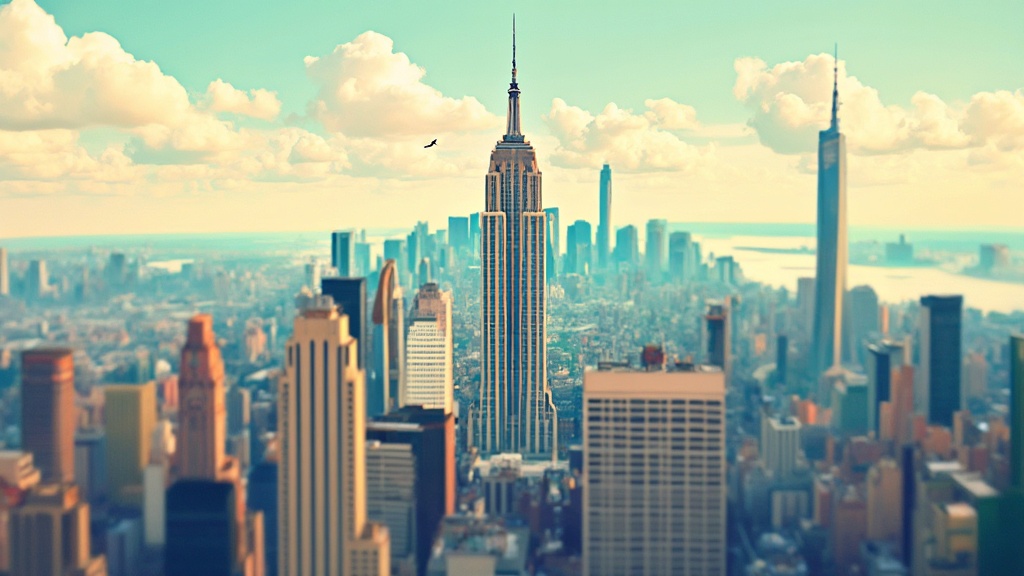
- Iconic Skyline - Empire State Building, One World Trade, Chrysler Building
- Food from Everywhere - Every cuisine on the planet, from carts to Michelin stars
- Central Park - 843 acres of green in the middle of madness
- Neighborhoods - Each one a small city with its own personality
- 24/7 Energy - The city that actually never sleeps
- Walking City - Endlessly explorable on foot
Best Time to Visit
Spring (April-May)
Central Park explodes with cherry blossoms and magnolias. Temperatures of 12-22°C make walking perfect. Restaurant patios open, and the city vibrates with post-winter energy. Book early - spring is popular.
Summer (June-August)
Hot and humid (28-35°C), but alive with free outdoor concerts in Central Park, Shakespeare in the Park, rooftop bars, and the raw energy of millions of people living outside. Tourists peak but so does the programming. August can feel oppressive.
Fall (September-November)
Manhattan's finest season. Crisp air, Central Park foliage peaking in late October, the cultural season launching in full, and the marathon in November. Fashion Week in September adds glamour. Temperatures of 8-22°C reward layers and walking.
Winter (December-February)
Cold (minus 5 to 8°C) but magical. Rockefeller Center tree, holiday windows on Fifth Avenue, ice skating in Central Park, and New Year's Eve in Times Square (though locals avoid it). January and February bring lower hotel prices and theater deals.
Iconic Landmarks
Empire State Building
The 1931 Art Deco tower remains Manhattan's most romantic observation point. The 86th-floor outdoor deck offers unobstructed 360-degree views. Visit at sunset for the transition from daylight to city lights.
Tips:
- Book online for timed entry
- 102nd floor adds height but enclosed views
- Sunrise tickets available (fewer crowds)
- The lobby itself is worth admiring
One World Observatory
The tallest building in the Western Hemisphere. The 100th-floor observation deck provides stunning harbor, bridge, and downtown views. The elevator ride includes a time-lapse of Manhattan's construction.
Top of the Rock
Rockefeller Center's observation deck offers arguably the best view because it includes the Empire State Building in the frame. Three levels, outdoor decks, and sunset timing recommended.
Statue of Liberty & Ellis Island
Reserve ferry tickets well in advance. Crown access requires months of advance booking. Ellis Island's immigration museum is profoundly moving, especially the records database where you can search your own family's arrival. The free Staten Island Ferry offers distant Statue views if tickets are sold out.
Brooklyn Bridge
Walk across at sunrise or sunset. Start from the Brooklyn side for the Manhattan skyline ahead of you. The pedestrian path is above car traffic. Budget 30-45 minutes for the crossing and photos.
Times Square
Controversial opinion: see it once, then leave. The sensory overload of screens, crowds, and costumed characters is uniquely New York, but it's not where New Yorkers go. Stand at the TKTS steps for the best perspective, then escape to somewhere real.
World-Class Museums
The Metropolitan Museum of Art (The MET)
One of the world's greatest museums, period. The collection spans 5,000 years across two million square feet. You could visit daily for a year and not see everything.
Must-see galleries:
- Temple of Dendur (Egyptian, in its own glass hall)
- European paintings (Vermeer, Rembrandt, Monet)
- The Cloisters (medieval art, separate uptown location)
- Rooftop sculpture garden (seasonal, with Central Park views)
- Pay-what-you-wish for NY residents; fixed price for others
Museum of Modern Art (MoMA)
The world's foremost modern art collection. Starry Night, Campbell's Soup Cans, Les Demoiselles d'Avignon, and The Persistence of Memory are all here, alongside groundbreaking photography, design, and film collections.
Tips:
- Free Friday evenings (4-8pm)
- The sculpture garden is peaceful
- Film screenings daily
- Allow minimum 3 hours
Solomon R. Guggenheim Museum
Frank Lloyd Wright's spiral building is as significant as the art inside. Walk the ramp upward through rotating exhibitions. The building itself is a masterwork of spatial experience.
Whitney Museum of American Art
American art from the 20th and 21st centuries in a Renzo Piano building overlooking the High Line and Hudson River. The outdoor terraces offer some of Manhattan's best free views. The Biennial exhibition (every two years) sets the contemporary art agenda.
American Museum of Natural History
The dinosaur halls, the blue whale, the Hayden Planetarium - this is the museum that inspired generations of scientists and explorers. The new Gilder Center expands the experience into immersive environments.
9/11 Memorial & Museum
The reflecting pools where the Twin Towers stood are serene and powerful. The underground museum tells the story with devastating intimacy. Allow time and emotional space. Advance tickets required for the museum; the memorial pools are free.
Neighborhoods to Explore
Greenwich Village
Bob Dylan, the Stonewall riots, Washington Square Park buskers, jazz clubs, and impossibly charming brownstone streets. The Village is where Manhattan's counterculture lived and where its charm endures.
Experience:
- Washington Square Park (people-watching capital)
- Blue Note and Village Vanguard (jazz)
- Bleecker Street boutiques
- Comedy Cellar (legendary stand-up)
- Italian restaurants on Macdougal
SoHo & NoLita
Cast-iron architecture, cobblestone streets, and shopping from luxury flagships to independent boutiques. SoHo is expensive but visually stunning. NoLita (North of Little Italy) offers smaller, more personal shops and restaurants.
Lower East Side
The immigrant neighborhood turned nightlife destination. Tenement Museum tells the immigration story; at night, the bars and music venues take over. Katz's Delicatessen has served pastrami since 1888.
Chelsea
Gallery district (200+ galleries, mostly free), the High Line elevated park, Chelsea Market (food hall in former Nabisco factory), and a strong LGBTQ+ community. Walk the High Line from Gansevoort to Hudson Yards for architecture, art, and city views.
Harlem
Soul food, gospel music, Apollo Theater, and a cultural legacy that shaped American art, music, and literature. Sunday gospel services at Abyssinian Baptist Church draw visitors worldwide. Sylvia's Restaurant serves soul food that lives up to the reputation.
Upper West Side
Lincoln Center (opera, ballet, symphony, jazz), the Natural History Museum, Riverside Park, and residential Manhattan at its most livable. Zabar's deli is a neighborhood institution.
Chinatown
The largest Chinatown in the Western Hemisphere. Dim sum at Nom Wah Tea Parlor (open since 1920), hand-pulled noodles, and the chaos of Canal Street. Mandarin, Cantonese, Fujianese, and increasingly Malaysian and Vietnamese food share the streets.
Broadway & Theater
The Experience
Broadway is the world's premiere theater district. Over 40 theaters within a few blocks of Times Square present musicals, plays, and revivals with production values and talent unmatched anywhere.
How to Get Tickets
- TKTS Booth (Times Square or Lincoln Center) - Same-day discounted tickets (25-50% off), line up early
- Lottery/Rush - Many shows offer $30-40 tickets via app lotteries or day-of rush
- TodayTix App - Mobile ticketing with deals
- Direct purchase - For must-see shows, book months ahead
Current Landscape
Broadway constantly evolves. Check current listings, but these categories always apply:
- Big musicals - Spectacle, dancing, unforgettable sets
- Plays - Often featuring film stars in limited runs
- Off-Broadway - Smaller theaters, often more adventurous
- Off-Off-Broadway - Experimental, downtown venues
Tips
- Tuesday-Thursday shows are easiest to ticket
- Wednesday matinee is the "industry show"
- Dress code: anything goes (really)
- Arrive 30 minutes early
- Check for standing room if sold out
Food & Drink
Essential Manhattan Eating
- Dollar Slice - $1-1.50 pizza slices, a New York institution (Joe's Pizza, 2 Bros)
- Bagels - Russ & Daughters, Ess-a-Bagel, Murray's Bagels
- Pastrami - Katz's Delicatessen (since 1888, order at the counter)
- Dim Sum - Nom Wah Tea Parlor, Jing Fong
- Hot Dogs - Gray's Papaya, Papaya King
- Halal Cart - The Halal Guys (53rd and 6th, the original)
Fine Dining
Manhattan has more Michelin stars than almost any city on Earth:
- Le Bernardin - Seafood perfection
- Peter Luger (Brooklyn, but essential) - Steak for the ages
- Eleven Madison Park - Plant-based tasting menu
- Atomix - Korean fine dining
- Don Angie - Italian-American, West Village
Best Food Neighborhoods
- East Village - Japanese, ramen, dive bars, Momofuku
- Chinatown - Dim sum, hand-pulled noodles, soup dumplings
- Koreatown (32nd Street) - Korean BBQ, karaoke, 24-hour dining
- Jackson Heights (Queens, one subway ride) - Indian, Tibetan, Colombian
Drinking
- Speakeasies - Please Don't Tell (PDT), Employees Only, Attaboy
- Rooftop Bars - The Top of the Standard, Westlight, Mr. Purple
- Dive Bars - McSorley's Old Ale House (since 1854), Ear Inn, Milano's
- Wine Bars - Wayla, The Four Horsemen
- Late Night - Manhattan doesn't close
Central Park
843 Acres of Green
Central Park isn't just a park - it's Manhattan's living room, gym, concert hall, and escape valve. Designed by Frederick Law Olmsted and Calvert Vaux in 1858, it serves 42 million visitors annually.
Highlights
- Bethesda Fountain and Terrace - The park's architectural heart
- Bow Bridge - Most photographed spot, especially in fall
- The Ramble - 36 acres of wild woodland, excellent birding
- Strawberry Fields - John Lennon memorial, "Imagine" mosaic
- Belvedere Castle - Viewpoint with weather station
- Conservatory Garden - Formal gardens, north end, peaceful
- The Reservoir - 1.58-mile running loop with skyline views
Activities
- Running (loop drives, reservoir)
- Boating (Loeb Boathouse, seasonal)
- Horse-drawn carriages (south end)
- Free performances (SummerStage, Shakespeare in the Park)
- Ice skating (Wollman Rink, winter)
- Zoo (small but charming)
Practical Information
Getting Around
The Subway is Manhattan's circulatory system. It's not pretty, not always on time, and not always fragrant, but it goes everywhere and runs 24/7.
Tips:
- MetroCard or OMNY (tap to pay) for rides
- Express vs. local trains - know the difference
- Weekend service changes constantly - check MTA app
- Avoid rush hour (8-9:30am, 5-7pm) if possible
Walking is the best way to experience Manhattan. The grid system makes navigation simple above 14th Street. Below that, carry a map (or phone).
Taxis and Rideshare:
- Yellow cabs everywhere (hail on the street)
- Uber/Lyft available but often slower than subway in traffic
- Citi Bike for confident urban cyclists
Money Matters
- Manhattan is expensive. Accept it, budget for it, enjoy it
- Tipping 18-22% at restaurants, $1-2 per drink at bars
- Happy hours offer genuine savings (4-7pm)
- Many museums have pay-what-you-wish hours
- Lunch specials and food carts offer value
Safety
Manhattan is statistically one of the safest large urban areas in America:
- Tourist areas heavily policed
- Subway safe but stay aware late night
- Times Square, Midtown, Central Park all safe
- Standard urban awareness applies everywhere
- Keep phone secure in crowds
Hidden Gems
Secret Spots
-
The Cloisters
- The MET's medieval art branch
- Rebuilt European monastery, Fort Tryon Park
- Stunning Hudson River views
- Quiet, contemplative, magical
-
Roosevelt Island Tramway
- Aerial cable car across the East River
- Regular MetroCard fare
- Stunning Manhattan views
- 3-minute ride
-
The Morgan Library & Museum
- JP Morgan's private library
- Medieval manuscripts, rare books
- Intimate, gorgeous
- Madison Avenue, Murray Hill
-
Green-Wood Cemetery (Brooklyn)
- Victorian-era burial ground
- Better views than most tourist attractions
- Famous residents
- Gothic entrance gate
-
Little Island
- Floating park on the Hudson
- Free performances in summer
- Tulip-shaped pillars
- West Side, near Chelsea
Local Tips
- Walk uptown on the east side, downtown on the west (or vice versa) to see everything
- Weekday lunch in Midtown is cheaper than dinner anywhere
- Free ferry to Staten Island for Statue of Liberty views
- The High Line is magical at sunset, miserable at peak tourist hours
- Avoid Olive Garden in Times Square - you're in Manhattan
- Tipping is not optional - service workers depend on it
Conclusion
Manhattan is overwhelming and that's the point. It doesn't ease you in or apologize for its intensity. The noise, the pace, the cost, the beauty, the culture, the food, the people from every country on Earth sharing sidewalks and subway cars - it's all happening at once, all the time. You can spend a week here and see a fraction, or a lifetime and still discover new corners.
The secret is not to try to conquer Manhattan. Just walk, eat, look up at the buildings, look down at the street life, step into a museum or a jazz club or a dollar-slice joint, and let the city do what it does to everyone: make you feel impossibly alive.
FAQ
Is Manhattan safe for tourists?
Yes, Manhattan is very safe. It's one of the most policed and surveilled areas in the world. Standard urban awareness applies, but violent crime affecting tourists is extremely rare.
How many days do you need in Manhattan?
Four to five days covers the major museums, neighborhoods, Broadway, and Central Park. A week allows deeper exploration. Even a weekend hits highlights, but you'll be back.
Do you need a car in Manhattan?
Absolutely not. A car is a liability - parking is $40-80/day, traffic is terrible, and the subway goes everywhere. Walk and use transit.
How expensive is Manhattan really?
Budget $200-300/day minimum for hotel, meals, and activities. Luxury has no ceiling. Budget travelers can survive on $100/day with hostels, food carts, and free museum hours.
What should I see first?
Walk across the Brooklyn Bridge at sunrise, then explore DUMBO for coffee. Take the subway to Central Park, walk south through the park, then continue to Times Square. That single walk captures Manhattan's range.