Bristol: England's Creative Capital
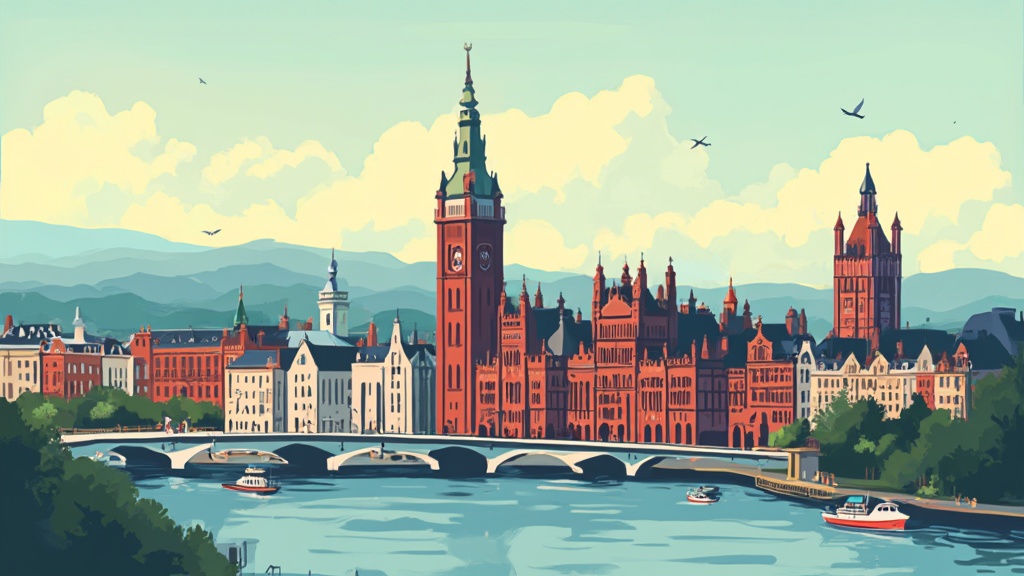
No English city outside London matches Bristol's creative energy. This former slave-trading port has transformed its complicated heritage into a hotbed of artistic innovation—from Banksy's internationally famous street art to the trip-hop music that reshaped global electronic sounds. The harbourside buzzes with independent restaurants and cultural venues. Victorian neighborhoods cascade down impossibly steep hills. And the spirit of independence that once powered maritime adventures now fuels one of Europe's most dynamic cultural scenes.
Bristol consistently tops quality-of-life rankings for UK cities, and visitors quickly understand why. The Clifton Suspension Bridge provides Instagram-ready engineering beauty. Street art covers seemingly every available wall. The food scene rivals any UK city. And beneath it all runs a countercultural current that makes Bristol feel genuinely different from everywhere else.
Why Visit Bristol?
Bristol delivers experiences unavailable elsewhere. Nowhere else can you walk a self-guided Banksy tour, crossing centuries-old bridges and Victorian streetscapes to find the world's most famous street artist's work in situ. The trip-hop heritage (Massive Attack, Portishead, Tricky all emerged from Bristol) permeates club culture and venue programming. The harbourside regeneration has created a waterfront that actually works—locals and visitors mixing rather than segregating.
Strategically, Bristol provides gateway access to the West Country: Bath, the Cotswolds, and eventually Devon and Cornwall all sit within day-trip range. The city itself justifies three to four days minimum, but ambitious itineraries can use Bristol as hub for wider regional exploration.
The value proposition has shifted as Bristol's popularity grows—it's no longer "cheap alternative to London"—but quality remains exceptional. The density of excellent restaurants, bars, and cultural venues per capita exceeds most UK cities.
Essential Bristol Experiences
Banksy and Street Art
Bristol's most famous son remains anonymous, but his work transforms the city into an open-air gallery. Significant pieces include "Girl with Pierced Eardrum" (a play on Vermeer, painted on a harbourside building), "Well Hung Lover" (a man hanging from a window as husband returns), and various others scattered throughout the city.
The Banksy Trail covers approximately 10 locations, walkable in half a day with diversions for food and additional art. Guided tours add context about Bristol's street art scene beyond Banksy—artists like Nick Walker, Inkie, and newer generations continue the tradition.
Beyond Banksy, street art covers much of Bristol. The Stokes Croft neighborhood functions as constantly evolving outdoor gallery. Nelson Street's "See No Evil" project (now partially repainted) demonstrated civic embrace of the art form. Carry charged phones—you'll photograph constantly.
Clifton Suspension Bridge
Brunel's masterpiece spans the Avon Gorge 245 feet above the river, its towers anchored in dramatic cliff faces. The engineering achievement (completed 1864, five years after Brunel's death) remains functionally beautiful—pedestrians and vehicles cross daily while visitors photograph from multiple viewpoints.
The visitor center on the Leigh Woods (western) side explains construction history and provides access to the underground vaults within the tower. Walking across (free for pedestrians) provides vertigo-inducing views. The giant's cave viewpoint, carved into the cliff below Clifton, offers dramatic bridge perspectives.
The surrounding Clifton neighborhood—Georgian terraces, independent shops, good restaurants—merits extended exploration beyond bridge-viewing.
Harbourside
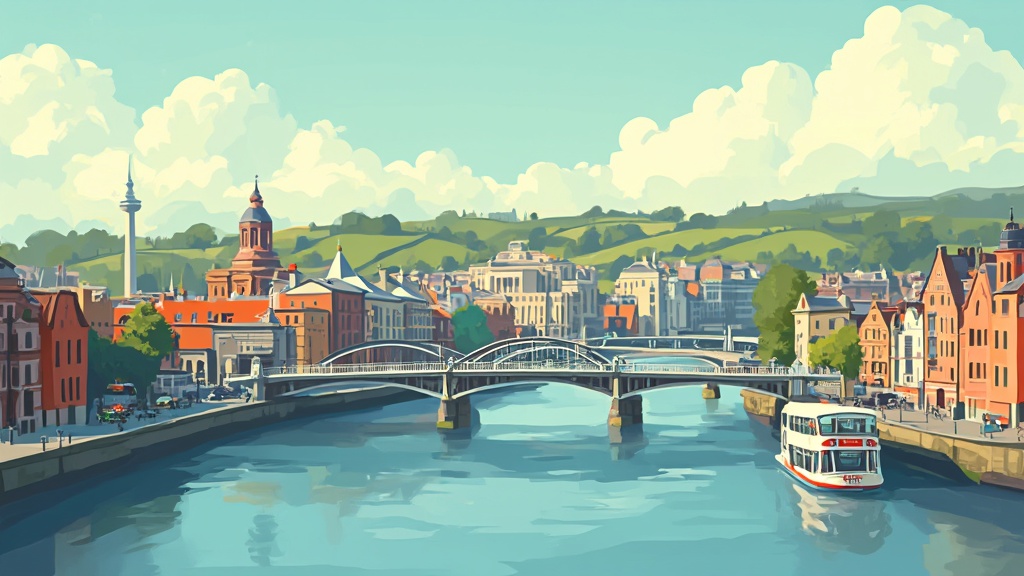
The floating harbour—an engineering solution keeping water levels constant regardless of tide—now concentrates Bristol's cultural and leisure programming. The SS Great Britain (Brunel again), M Shed museum, Arnolfini gallery, and numerous restaurants line the waterways.
SS Great Britain: The world's first great ocean liner, now restored as an immersive museum. The ship itself—from first-class cabins to steerage quarters—can be explored extensively. The dry dock displays the hull below waterline. One of Britain's finest maritime heritage experiences.
M Shed: Free museum telling Bristol's story through objects, images, and interactives. The transport galleries particularly engage, with vehicles from Bristol's manufacturing heritage. Working cranes and locomotives occupy the quayside.
Arnolfini: Contemporary arts center hosting exhibitions, performances, and events since 1961. Free gallery admission. The building's brutalist architecture and harbourside location create distinctive atmosphere.
Watershed: Media center housing independent cinemas, café-bar, and various creative organizations. Good for film buffs and afternoon coffee equally.
Evening transforms the harbourside into social destination—outdoor seating fills when weather permits, boats serve as bars, and the atmosphere captures Bristol's relaxed energy.
Stokes Croft and Gloucester Road
Bristol's alternative heartland runs northeast from the center. Stokes Croft concentrates street art, independent shops, and venues with countercultural energy. The Banksy-associated "People's Republic of Stokes Croft" represents the neighborhood's self-consciously rebellious character.
Gloucester Road claims Britain's longest continuous stretch of independent shops—no chain stores along the main run. Cafes, vintage shops, ethnic restaurants, and various eccentricities reward wandering. The atmosphere is distinctly different from sanitized city center shopping.
The area isn't polished—some rough edges remain—but that's precisely its appeal. Evening brings crowds to the various pubs and music venues.
Clifton Village and the Downs
The wealthy Georgian neighborhood around the suspension bridge provides classic English postcard material. Royal York Crescent curves in perfect Georgian symmetry. Independent shops line the village streets. The Clifton Lido (restored Victorian swimming pool) offers swimming with architectural atmosphere.
The Downs—400 acres of open grassland above the Avon Gorge—provide walking, picnicking, and dramatic views. The Clifton Observatory, converted from a windmill, includes the giant's cave and camera obscura.
St. Nicholas Market
The covered market in the city center has traded since 1743. Today it concentrates food vendors, vintage sellers, and various eclectic offerings in characterful Victorian halls. The Glass Arcade, Corn Exchange, and outdoor sections each have distinct characters.
Lunch here provides excellent value—multiple cuisines compete for attention at street food prices. Saturdays bring additional outdoor markets extending into surrounding streets.
Bristol Neighborhoods
Harbourside
The waterfront cultural district—museums, restaurants, entertainment venues concentrated around the floating harbour. Most accessible and tourist-oriented area.
Clifton
Wealthy Georgian neighborhood around the suspension bridge. Excellent restaurants, independent shops, and architectural beauty. Higher prices reflect the location.
Stokes Croft/Montpelier
Alternative, creative neighborhoods northeast of center. Street art, independent businesses, and countercultural energy. More edge than polish.
Gloucester Road/Bishopston
Independent shopping strip and residential area. Good restaurants, local atmosphere, accessible by bus from center.
Bedminster/Southville
South Bristol neighborhoods with emerging food and drink scenes. The Tobacco Factory complex anchors local entertainment. Graffiti Street (North Street) continues the street art tradition.
Old City
Medieval street layout around Bristol Bridge and the castle site. Historic pubs, narrow lanes, and Christmas Steps (steep pedestrian alley with medieval character).
Where to Stay in Bristol
Boutique
Hotel du Vin: Converted sugar warehouse in the old city. The brand's signature style—industrial heritage meets boutique comfort. Excellent restaurant and bar.
Number 38 Clifton: Georgian townhouse B&B in Clifton. Individual character rooms, excellent breakfast, residential atmosphere.
The Bristol: Modernist tower hotel with panoramic views. Contemporary design, central location, good restaurant.
Mid-Range
Mercure Bristol Holland House: Reliable chain quality in central location near Temple Meads.
The Mud Dock Café and Restaurant: Waterside location, quirky character, combining café-restaurant with accommodation.
Budget
YHA Bristol: Excellent hostel in converted warehouse on harbourside. Private rooms available alongside dorms.
Bristol Backpackers: Central location budget option with social atmosphere.
Premier Inn Bristol City Centre (Haymarket): Reliable budget chain option with central location.
Bristol Food and Drink
Fine Dining
Casamia: Bristol's highest-rated restaurant, holding two Michelin stars. The tasting menu showcases technical precision with local ingredients. Book well ahead.
Wilsons: Neighborhood restaurant with Michelin star serving inventive cooking from open kitchen. More accessible than Casamia, equally excellent.
Bulrush: One Michelin star for refined modern British cooking. Tasting menus only, intimate setting.
Casual Excellence
Box-E: Shipping container restaurant on harbourside serving creative modern cooking at accessible prices. Tiny space; booking essential.
Pasta Loco: Fresh pasta made daily. Queue for tables at this deservedly popular spot.
Tare: Sourdough bakery and café in Wapping Wharf container village. Exceptional bread and breakfast offerings.
The Pony & Trap: Slightly outside Bristol, this pub holds Michelin star for elevated pub cooking. Worth the trip.
Global Flavors
Dela: Scandinavian-influenced café and wine bar in Cotham. Excellent brunch and evening small plates.
Bravas: Spanish tapas in Cotham Hill. Authentic preparations, good atmosphere.
Wallfish Bistro: Harbourside spot for excellent fish and seafood simply prepared.
Cargo 2: Wapping Wharf container development concentrating multiple food vendors—Korean, Indian, Mediterranean options.
Markets and Street Food
St. Nicholas Market: Central market with excellent lunch options at street food prices.
Wapping Wharf: Container development housing food and drink businesses—particularly strong for casual eating and drinking.
Finzels Reach Market: Emerging food hall in regenerated city center area.
Pubs and Bars
The Old Duke: Jazz pub on King Street—live music nightly in atmospheric setting.
The Grain Barge: Floating bar on converted barge. Good beer selection, harbourside atmosphere.
Small Bar: Craft beer bar with excellent rotating selection.
Her Majesty's Secret Service: Cocktail bar in Clifton with speakeasy atmosphere and excellent drinks.
The Coronation Tap: Clifton cider house serving traditional scrumpy in unpretentious setting.
Coffee
Bristol's specialty coffee scene rivals any UK city:
Full Court Press: Excellent coffee, good food, lovely space.
Small Street Espresso: Popular city center spot for quality coffee.
Mokoko: Multiple locations serving consistently excellent coffee.
Music and Nightlife
Live Music
Thekla: Legendary venue on a boat, programming rock, indie, and electronic acts.
The Fleece: Historic venue on the back-room circuit—significant bands have played this stage.
Strange Brew: Eclectic programming from jazz to electronic in intimate setting.
The Old Duke: Jazz every night in King Street pub.
Colston Hall (now Bristol Beacon): Major concert hall hosting national and international acts.
Clubs
Lakota: Multi-room club with outdoor areas, programming electronic and bass music.
Motion: Warehouse space hosting major electronic acts.
Blue Mountain: Drum and bass heritage venue maintaining Bristol's electronic credentials.
Bristol's trip-hop heritage means electronic music programming remains exceptional. The city that produced Massive Attack and Portishead continues nurturing bass music, jungle, and various electronic genres.
Day Trips from Bristol
Bath
Just 15 minutes by train, this Georgian spa city provides Roman Baths, Abbey, Jane Austen connections, and some of England's finest architecture. Easy half-day or full-day trip.
Cotswolds
The honey-stone villages—Castle Combe, Bourton-on-the-Water, Stow-on-the-Wold—spread across rolling hills northeast of Bristol. Car provides best access; bus tours available.
Wells
England's smallest city features stunning cathedral and medieval Bishop's Palace. Combined with Glastonbury (abbey ruins, tor viewpoint, alternative culture) makes excellent day trip.
Cheddar Gorge
Dramatic limestone gorge about 30 minutes south, with caves, cliffs, and the origin of England's most famous cheese.
South Wales
Cardiff and the Welsh valleys lie across the Severn bridges, accessible for day trips seeking different cultural character.
Getting to Bristol
By Train
Bristol Temple Meads: The main station, about 15 minutes walk from harbourside. London Paddington reaches here in 1 hour 45 minutes. Direct connections to Birmingham, Cardiff, Manchester, Edinburgh.
Bristol Parkway: Northern station useful for some services. Served by local trains from Temple Meads.
By Air
Bristol Airport: 8 miles south with bus connections to city center (30-40 minutes, Airport Flyer service). Good European connections.
By Car
M4 and M5 motorways provide access. City center parking is limited and expensive; park-and-ride options serve outer areas.
Getting Around Bristol
On Foot
The center is walkable, though Bristol's hills challenge stamina. Harbourside, Old City, and central shopping areas consolidate within walking distance. Clifton is 20-30 minutes uphill from center.
Ferry Boats
Water taxi services connect various harbourside points—practical transport with scenic bonus.
Bus
First Bus operates extensive network. The top-deck views help navigation in a city where streets rarely run straight.
Taxis and Uber
Readily available throughout the city.
Cycling
Bristol has invested significantly in cycling infrastructure. Hire bikes available from various points.
Best Time to Visit Bristol
Summer (June-August)
Best weather for harbourside socializing and outdoor eating. Bristol International Balloon Fiesta (August) fills hotels with mass dawn ascents of hot air balloons. Festival season brings Glastonbury nearby.
Spring (May-June)
Pleasant temperatures, longer days, fewer crowds than summer peaks. Good for walking and outdoor activities.
Autumn (September-October)
Cultural seasons begin. Bristol Open Doors weekend (September) provides access to usually-closed buildings. Comfortable exploring weather.
Winter (November-February)
Cold and wet but indoor attractions function fully. Christmas markets bring festive atmosphere. Fewer tourists compete for restaurant tables.
Practical Information
Money
British Pounds Sterling. Contactless payment nearly universal. ATMs throughout.
Language
English with distinctive Bristol accent (featuring the "Bristol L"—adding 'l' sounds to words ending in vowels). Generally very clear for visitors.
Tipping
Standard UK conventions: 10-15% at restaurants if service not included, round up taxis.
Safety
Bristol is safe for visitors. Standard urban awareness applies. Stokes Croft area occasionally experiences tensions but nothing affecting tourists.
Weather
West of England weather is milder than the north but still unpredictable. Layers essential. Rain possible year-round.
Frequently Asked Questions
How does Bristol compare to London?
Bristol offers similar creative energy at smaller scale and lower prices. It lacks London's global institutions but matches cultural density per capita. For visitors seeking contemporary British culture beyond heritage tourism, Bristol provides excellent alternative.
Can I see all of Banksy's work in Bristol?
Most significant pieces are viewable on foot, though some have been damaged, painted over, or protected. The trail takes half a day comfortably. New works occasionally appear, so some research before visiting helps.
Is the music scene really that good?
Yes—Bristol's contribution to British music (trip-hop particularly, but also punk, drum and bass, post-punk) is genuinely significant. Current programming maintains quality. Venues like Thekla and Lakota have heritage and ongoing excellent bookings.
What's the food scene like?
Exceptional. Multiple Michelin stars, excellent casual dining, good ethnic food variety, and thriving café culture create one of the UK's best food cities outside London. Book ahead for popular spots.
Is Clifton essential?
The suspension bridge is iconic and the Georgian architecture impressive. Clifton provides picture-postcard Bristol different from the grittier creative areas. Both deserve attention for a complete picture of the city.
How hilly is Bristol actually?
Very. The city spread across dramatic terrain—some walks involve serious climbing. Good footwear helps. The hills also create excellent viewpoints.
Bristol defies easy categorization. It's simultaneously Georgian elegance and street art rebellion, maritime heritage and electronic music innovation, fine dining and proper cider. The creative energy that flows through harbourside bars, Stokes Croft murals, and independent venues along Gloucester Road creates something uniquely Bristol—an English city that somehow avoided becoming generic. Come for Banksy, stay for everything else.