Córdoba: Where Three Cultures Meet
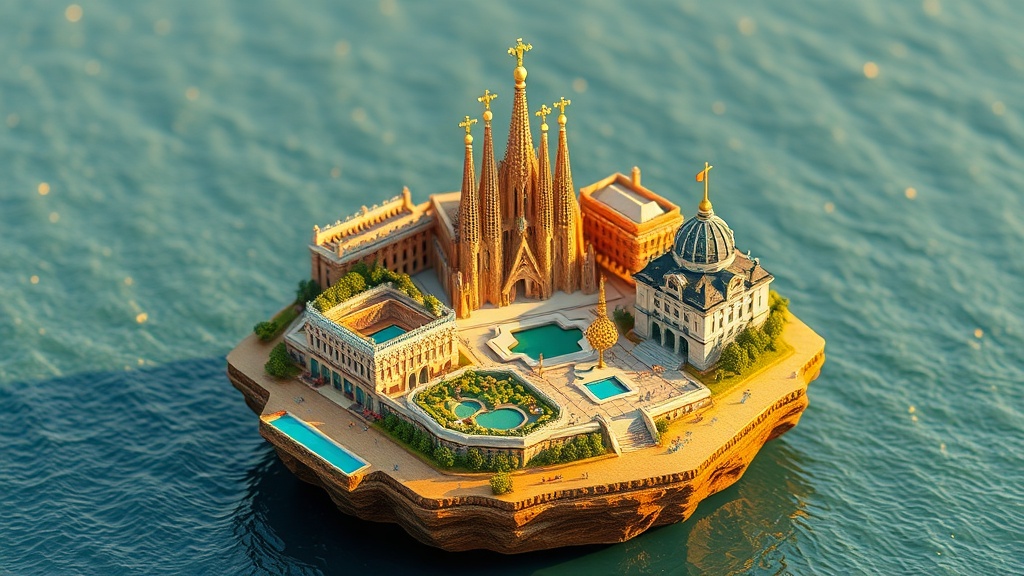
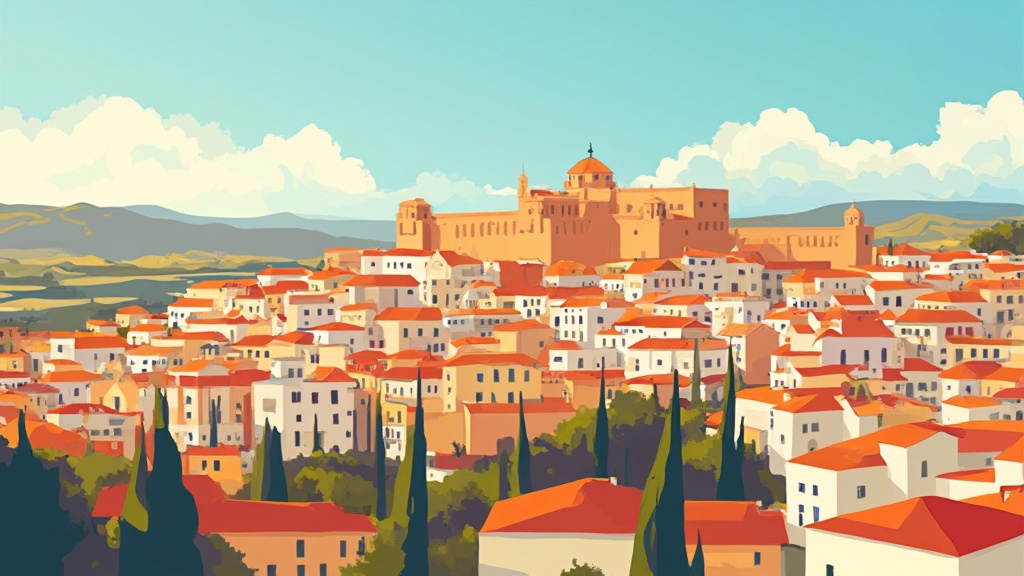
Córdoba is one of those cities that stops you mid-step. You walk through a medieval archway, turn a corner, and suddenly you're standing inside the Mezquita - a forest of red-and-white arches stretching in every direction, where a Catholic cathedral rises from the heart of what was once the largest mosque in the Western world. That single building encapsulates Córdoba's extraordinary story: a city where Islamic, Jewish, and Christian civilizations didn't just coexist but created something none could have built alone.
Why Visit Córdoba
Córdoba offers experiences found nowhere else:
- The Mezquita - One of the world's most extraordinary buildings
- Historic Patios - Flower-filled courtyards, UNESCO-recognized tradition
- Jewish Quarter - Best-preserved medieval Jewish quarter in Spain
- Roman Heritage - Roman Temple, Bridge, and mosaics
- Andalusian Cuisine - Salmorejo, flamenquín, and sherry culture
- Compact Size - Walkable historic center, easily explored
- Affordable - Significantly cheaper than Seville or Granada
- Festival Culture - Patios Festival, Semana Santa, feria
Best Time to Visit
Spring (April-May)
The perfect season. Temperatures of 18-28°C, orange blossoms perfuming the air, and the famous Patios Festival in May when private courtyards open to the public. Semana Santa (Holy Week) brings solemn processions through narrow streets. Book accommodation well ahead for these events.
Summer (June-August)
Córdoba is one of the hottest cities in Europe. Temperatures routinely exceed 40°C in July and August. Locals adapt - eating late, sheltering during siesta, and living nocturnally. If you come, embrace the rhythm: museums and indoor spaces by day, patios and dining by night. Prices drop and crowds thin.
Fall (September-October)
Heat breaks, tourists depart, and Córdoba enters its most pleasant phase. Temperatures of 20-30°C, golden light on the limestone buildings, and the cultural season beginning. Excellent value, fewer crowds, and comfortable exploration.
Winter (November-March)
Mild (6-16°C) with occasional rain. The Mezquita in winter light, empty of summer crowds, is transcendent. Hotel prices are lowest, restaurants are easier to book, and you experience Córdoba as cordobeses do - quietly, authentically.
The Mezquita-Cathedral
A Building Like No Other
The Mezquita-Cathedral of Córdoba is one of the most extraordinary buildings ever constructed. Begin as a Visigothic church, expanded into a vast mosque (the largest in the Western world by the 10th century), then converted into a cathedral after the Christian reconquest in 1236, with a full Renaissance cathedral nave inserted into the mosque's center in the 16th century. The result is architecturally impossible and emotionally overwhelming.
What to See Inside
-
The Hypostyle Hall
- 856 columns of jasper, onyx, marble, and granite
- Double arches in red brick and white stone
- The "forest of columns" effect is mesmerizing
- Each expansion visible in the architecture
-
The Mihrab
- Prayer niche indicating direction of Mecca
- Byzantine-influenced gold mosaics
- Considered one of the finest examples of Islamic art in Europe
- The acoustics in this corner are remarkable
-
The Cathedral Nave
- Renaissance and Baroque Christian insertion
- Choir stalls of mahogany
- The contrast with the mosque is jarring and fascinating
- Charles V reportedly said "You have built what you could have built anywhere and destroyed what was unique in the world"
-
The Courtyard of Orange Trees (Patio de los Naranjos)
- Original ablution courtyard
- Orange trees in geometric rows
- The bell tower (former minaret) rises here
- Free entry to the courtyard
-
The Bell Tower (Torre Campanario)
- Climb for panoramic city views
- Former minaret, wrapped in Renaissance exterior
- Separate ticket and timed entry
- 54 meters high, 177 steps
Visiting Tips
- Free entry Monday-Saturday 8:30-9:30am (arrive at 8:15)
- Otherwise €13 admission
- Audio guide recommended (complex history)
- Visit during morning for the best light through the columns
- Allow 2+ hours minimum
- No shorts or bare shoulders (dress code enforced)
Jewish Quarter (Judería)
Medieval Labyrinth
Córdoba's Jewish Quarter is the best-preserved medieval Jewish neighborhood in Spain and one of the finest in Europe. Whitewashed walls, narrow streets barely wide enough for two people, flower-pot-studded facades, and the ancient synagogue create an atmosphere that hasn't fundamentally changed in 500 years.
What to See
-
Synagogue of Córdoba
- One of only three surviving medieval synagogues in Spain
- Built in 1315, Mudéjar plasterwork
- Small but historically significant
- Free for EU citizens
-
Casa de Sefarad
- Museum of Sephardic Jewish culture
- Five themed rooms
- Music, traditions, daily life
- Intimate and moving
-
Calleja de las Flores
- The most photographed street in Córdoba
- Narrow alley ending in a small square
- Flower pots framing a view of the Mezquita tower
- Best early morning before crowds
-
Statue of Maimonides
- Medieval Jewish philosopher born in Córdoba
- In the Tiberíades Square
- Rubbing his foot is said to bring wisdom (the foot shines from touching)
-
Zoco Municipal
- Craft market in a courtyard
- Leather, silver, ceramics
- Traditional Córdoba crafts
- Peaceful shopping
Roman Córdoba
Ancient Heritage
Córdoba was an important Roman city - capital of Hispania Ulterior and later Baetica province. Seneca the Younger was born here.
-
Roman Bridge (Puente Romano)
- 16 arches spanning the Guadalquivir
- Originally 1st century BC (rebuilt many times)
- Pedestrian-only, atmospheric walk
- Best photographed from the south bank or the Mezquita side
-
Calahorra Tower
- Moorish fortification at the south end of the Roman Bridge
- Small museum inside
- Excellent bridge and Mezquita views
- Al-Andalus history exhibition
-
Roman Temple
- Discovered during construction in the 1950s
- Partially reconstructed columns
- 1st century AD, dedicated to the Imperial cult
- Free, open-air site
- Impressive at night when illuminated
-
Archaeological Museum
- Roman mosaics, sculptures, and artifacts
- In a Renaissance palace
- Free for EU citizens
- Underground Roman remains visible
Patios of Córdoba
UNESCO Intangible Heritage
Córdoba's tradition of decorating interior patios with flowers is UNESCO-recognized Intangible Cultural Heritage. These private courtyards, behind the blank white walls that line every street, burst with color - geraniums, jasmine, bougainvillea, and orange trees arranged with obsessive care.
Experiencing the Patios
Festival de los Patios (May)
- First two weeks of May
- Private patios open to the public
- Competition among neighborhoods
- Free entry to all competing patios
- Lines can be long for famous ones
- Evening visits are magical (illuminated patios)
- Book Córdoba accommodation months ahead
Year-Round Options:
- Palacio de Viana - 12 patios open year-round, entrance fee, each patio themed differently
- Various restaurants - Many traditional restaurants have patio dining
- Walking tours - Guided patio tours available year-round
- Random discoveries - Many doors are left open; a polite "¿Se puede?" (may I?) is often welcomed
Alcázar de los Reyes Cristianos
The fortress-palace of the Christian monarchs, where Ferdinand and Isabella planned the final stages of the Reconquista and where Columbus presented his expedition plans. The building is impressive, but the terraced gardens with their water channels and geometric hedges are the highlight.
Visiting:
- Gardens are the star attraction
- Evening sound and light shows (seasonal)
- Views of the Roman Bridge
- Combined tickets available
- Allow 1-1.5 hours
Neighborhoods to Explore
The Judería
The Jewish Quarter (covered above) is the most visited neighborhood and the most atmospheric. Early morning and evening are the best times to avoid crowds.
San Basilio
South of the Alcázar, this residential neighborhood is where some of the best patios are found during the May festival. Quiet, authentic, and beautiful year-round.
Experience:
- May patio competition winners often come from here
- Quiet residential streets
- Flamenco peñas (clubs) in the evening
- Local tavernas
- Authentic Córdoba life
San Lorenzo & Santa Marina
East of the center, these neighborhoods are where cordobeses actually live. Working-class, proud, and home to some of the city's best tapas bars. Plaza de la Corredera (Córdoba's main square) anchors the area.
Don't miss:
- Plaza de la Corredera - Rectangular plaza, café terraces, Sunday flea market
- Traditional tavernas on surrounding streets
- Church of San Lorenzo (Romanesque-Gothic, rose window)
- Local atmosphere without tourism
La Axerquía
The eastern extension of the old city. Less monumental but more lived-in. Good restaurants, local shops, and a sense of daily Córdoba that the Judería can't provide.
Food & Drink
Córdoba's Kitchen
Córdoba's cuisine is Andalusian at its most refined, with dishes that have been perfected over centuries.
Essential Dishes
- Salmorejo - Thick cold tomato soup with jamón and egg (don't call it gazpacho - it's better)
- Flamenquín - Rolled pork loin stuffed with jamón serrano, breaded and fried
- Rabo de toro - Oxtail stew, slow-braised until it falls apart
- Berenjenas con miel - Fried eggplant drizzled with honey
- Mazamorra - Almond and garlic cold soup (ancient, pre-tomato arrival)
- Pastel cordobés - Puff pastry filled with angel hair pumpkin
- Tortilla de patatas - Spanish potato omelette, debated everywhere
Where to Eat
Traditional tavernas:
- Taberna Salinas - Since 1879, courtyard dining, classic Córdoba
- Casa Pepe de la Judería - Judería institution, excellent salmorejo
- Bodegas Campos - Since 1908, barrel-lined walls, refined Andalusian
- Taberna San Miguel (El Pisto) - Standing-room-only tapas bar, zero pretension
Modern:
- Noor - Michelin-starred, recreates Andalusian-Arab cuisine using historical recipes
- Choco - Michelin-starred, creative Andalusian
- ReComiendo - Creative tapas, contemporary setting
Casual:
- Bar Santos - Famous for the best tortilla de patatas in Córdoba
- Mercado Victoria - Food market with stalls and bars
- La Bicicleta - Brunch and casual dining
Drink
- Montilla-Moriles wines - Córdoba's own sherry-style wines (fino, amontillado, PX)
- Fino - Dry fortified wine, served ice-cold, perfect with tapas
- Pedro Ximénez (PX) - Sweet, dark dessert wine
- Rebujito - Fino mixed with lemon soda (feria drink)
- Cerveza - Cruzcampo and Alhambra are regional beers
Tapas Culture
Córdoba tapas are often still free with your drink at traditional bars. Order a caña (small beer) or a copa de fino, and a small plate appears. This tradition is disappearing in larger cities but survives in Córdoba.
Day Trips from Córdoba
Within 90 Minutes
-
Medina Azahara (8km west)
- Ruins of the 10th-century Umayyad palace-city
- UNESCO World Heritage Site
- Once the most magnificent city in Western Europe
- Museum explains the history
- Half day recommended
-
Seville (45 minutes by AVE train)
- Alcázar, Cathedral, Triana
- Easy day trip or overnight
- Spain's most visited city
- Book AVE tickets in advance
-
Granada (2.5 hours)
- Alhambra (book months ahead!)
- Albaicín quarter
- Sierra Nevada views
- Full day or overnight recommended
-
Priego de Córdoba (1.5 hours)
- Baroque churches
- Natural springs
- Olive oil country
- Quiet, beautiful town
-
Zuheros (1 hour)
- White village in the Sierras Subbéticas
- Cave of the Bats
- Cheese production
- Hiking trails
Practical Information
Getting Around
Córdoba's historic center is entirely walkable. The Mezquita, Judería, Alcázar, and Roman Bridge are all within 15 minutes of each other.
From the train station:
- 20-minute walk to the Mezquita
- Bus or taxi available
- Most hotels are within walking distance of the center
Bikes:
- Flat city, good for cycling
- Bike rental available
- Not needed for the historic center
Getting to Córdoba
- AVE high-speed train from Madrid (1 hour 45 min), Seville (45 min), Málaga (1 hour)
- Car - A-4 motorway from Madrid/Seville
- Airport - Nearest major airports are Seville (SVQ) or Málaga (AGP)
Money Matters
- Euros (€)
- Cards widely accepted
- Cash useful for small tapas bars and market stalls
- Tipping 5-10% at restaurants
- Córdoba is very affordable by Spanish standards
- Free tapas still exist at traditional bars
Safety
Córdoba is extremely safe:
- One of Spain's safest cities
- Tourist areas well-lit and policed
- Petty theft rare but possible in crowded areas
- No areas to avoid
- Very welcoming to visitors
Heat Management (Summer)
If visiting June-September:
- Siesta (2-5pm) is survival, not laziness
- Indoor attractions during peak heat
- Hydrate constantly
- Evening dining after 9pm
- Morning sightseeing before 11am
- Many buildings are naturally cool (thick stone walls)
Hidden Gems
Secret Spots
-
Palacio de Viana
- 12 different patios in one palace
- Open year-round
- Each patio unique
- Less visited than the Mezquita
- Gardens, fountains, ceramics
-
Molinos del Guadalquivir
- Ancient watermills along the river
- Some converted to museums and cultural spaces
- Atmospheric river walk
- Roman Bridge views
-
Hammam Al Ándalus
- Arab baths experience
- Historic setting
- Relaxing after a day of sightseeing
- Book ahead, especially weekends
-
Iglesia de San Lorenzo
- Romanesque-Gothic church
- Stunning rose window
- Off the tourist path
- Beautiful bell tower
-
Sotos de la Albolafia
- Riverbank nature area
- Noria (water wheel) visible from the bridge
- Bird watching
- Peaceful river walks
Local Tips
- "Salmorejo, not gazpacho" - learn this distinction and locals will love you
- Fino wine is served cold and is the proper accompaniment to tapas
- Patios Festival in May is spectacular but book months ahead
- The Mezquita is free early mornings (8:30-9:30 Mon-Sat)
- Córdoba is a day trip from Seville, but sleeping here is better
- Summer heat is no joke - plan your day around it
- Ask for "media ración" (half portion) to try more dishes
Photography Spots
Best Views
- Puente Romano at sunset - Mezquita and bridge, the iconic shot
- Calleja de las Flores - Flower-framed Mezquita tower
- Inside the Mezquita - Forest of columns, morning light
- Patios - Flower-filled courtyards (especially May)
- Alcázar gardens - Geometric hedges and water channels
Golden Hour
- Roman Bridge from the south bank at sunset
- Mezquita courtyard in morning light
- Judería streets in late afternoon
- Alcázar gardens in early morning
- Plaza de la Corredera at blue hour
Conclusion
Córdoba is the kind of city that makes you reconsider what matters in travel. It doesn't have the nightlife of Barcelona or the size of Madrid, but it has something rarer: a place where you can walk into a building and feel, physically, the meeting point of three great civilizations. The Mezquita alone justifies a trip to Spain, but the flower-filled patios, the tapas with free fino, the silent Jewish Quarter at dusk, and the warmth of a city that's been welcoming travelers for two thousand years make Córdoba something you carry with you long after you leave.
Come for the Mezquita. Stay for the salmorejo. Leave changed.
FAQ
Is Córdoba safe for tourists?
Extremely safe. Córdoba is one of Spain's safest cities with very low crime rates. Standard precautions apply, but visitors generally feel very comfortable.
How many days do you need in Córdoba?
Two days covers the Mezquita, Jewish Quarter, patios, and food scene thoroughly. Three days allows for Medina Azahara and deeper exploration. Even one full day hits the essentials, though you'll wish for more.
Do you need cash in Córdoba?
Cash is useful for traditional tapas bars and market stalls. Most restaurants and attractions accept cards, but carrying some euros is wise for the best local experiences.
How hot does it get in summer?
Very hot. July and August regularly exceed 40°C (104°F). The city adapts with late dining, siesta culture, and thick-walled buildings, but outdoor sightseeing in midday heat is genuinely uncomfortable.
Is Córdoba worth visiting or just a day trip from Seville?
Absolutely worth staying. While it works as a day trip, overnight visitors experience the city at its best - early morning Mezquita, evening patio strolls, and sunset from the Roman Bridge without the rush.