Barcelona: Where Gothic Grandeur Meets Mediterranean Soul
Barcelona is a city that defies easy categorization. It's ancient yet avant-garde, beachy yet cosmopolitan, Spanish yet distinctly Catalan. This Mediterranean gem on Spain's northeastern coast has been captivating travelers for centuries with its unique blend of architectural marvels, culinary excellence, and an infectious zest for life.
Why Visit Barcelona?
Barcelona offers something increasingly rare in major European cities: genuine character. While other destinations have succumbed to homogenization, Barcelona fiercely protects its Catalan identity while embracing visitors with open arms.
The city is perhaps best known for the fantastical creations of Antoni Gaudí, whose organic, nature-inspired architecture transformed Barcelona into an open-air museum. But there's so much more—from the medieval labyrinth of the Gothic Quarter to the golden beaches stretching along the Mediterranean, from world-renowned restaurants to underground clubs that keep the party going until sunrise.
When to Visit
Spring (April-May): Ideal weather, blooming parks, and manageable crowds. Temperatures hover between 15-22°C (59-72°F).
Summer (June-August): Beach season in full swing. Hot (25-30°C/77-86°F) and crowded, but the energy is electric. Book accommodations well in advance.
Fall (September-October): Perhaps the perfect time. Summer crowds thin, prices drop, but the weather remains warm enough for beaches. La Mercè festival in late September offers incredible cultural programming.
Winter (November-March): Mild compared to northern Europe (10-15°C/50-59°F). Museums are peaceful, restaurant reservations easier, and you'll experience the city like a local.
Neighborhoods to Explore
Gothic Quarter (Barri Gòtic)
The medieval heart of Barcelona, where Roman walls hide behind medieval facades and narrow alleyways open into secret plazas. Get deliberately lost here—it's the only way to discover its treasures.
Must-sees:
- Barcelona Cathedral and its cloister of geese
- Plaça Reial with its Gaudí-designed lampposts
- Plaça del Rei and the city's Roman foundations
- The ancient Jewish Quarter (El Call)
El Born
Just east of the Gothic Quarter, El Born has transformed from a working-class neighborhood into Barcelona's hippest district. Think artisan boutiques, craft cocktail bars, and the magnificent Basílica de Santa Maria del Mar.
Don't miss: The Born Centre Cultural, built around excavated ruins from 1714, and the Picasso Museum.
Gràcia
Once an independent village, Gràcia retains its bohemian character. This is where young creatives, families, and long-time residents coexist in a maze of intimate plazas and independent shops.
Local tip: Visit during the Festa Major de Gràcia in August when streets compete to create the most elaborate decorations.
Barceloneta
The old fishing quarter is now Barcelona's beach playground. The neighborhood maintains a gritty authenticity despite the tourist crowds, with traditional seafood restaurants and old-timers playing dominoes in the squares.
Eixample
The elegant grid of 19th-century expansion that houses most of Gaudí's masterpieces. The Passeig de Gràcia is Barcelona's answer to the Champs-Élysées, lined with designer boutiques and modernist architecture.
Gaudí's Barcelona
No visit to Barcelona is complete without experiencing Antoni Gaudí's visionary works:
La Sagrada Família
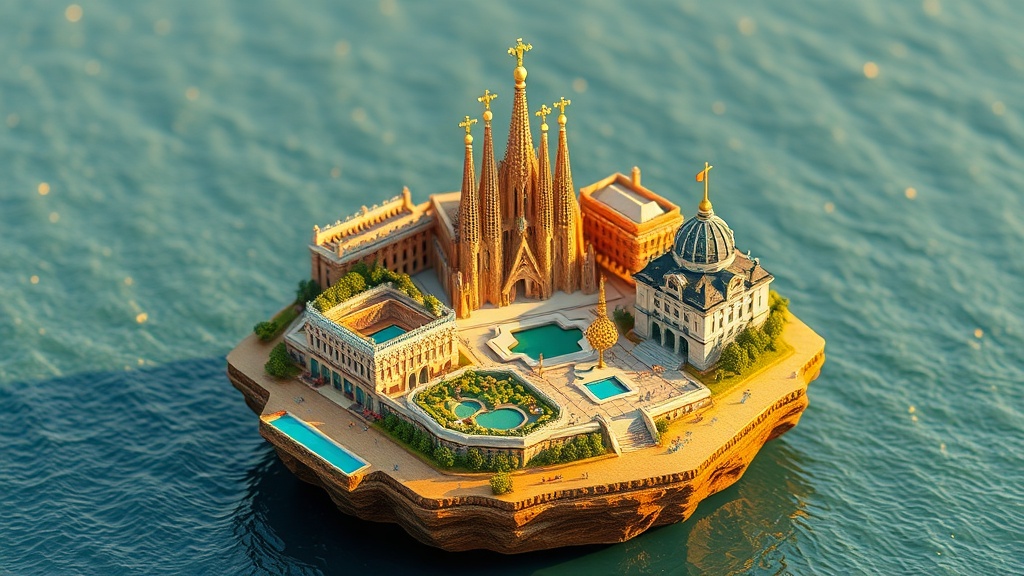
Gaudí's unfinished masterpiece is unlike any church on Earth. The forest-like interior, with columns branching like trees and light streaming through kaleidoscopic windows, is genuinely transcendent. Book tickets weeks in advance and consider a tower visit for unique perspectives.
Pro tip: Visit in the afternoon when western light floods the interior through the warm-toned stained glass.
Park Güell
Originally designed as an exclusive residential community (which failed commercially), this hillside park showcases Gaudí's playful genius. The mosaic-covered terraces and organic architecture feel like stepping into a dream.
Timing: The monumental zone requires timed tickets. Early morning or late afternoon offers the best light and smaller crowds.
Casa Batlló & Casa Milà
These neighboring apartment buildings on Passeig de Gràcia demonstrate Gaudí's mature style. Casa Batlló's dragon-scale roof and bone-like balconies create an almost living facade, while Casa Milà (La Pedrera) resembles a stone wave frozen mid-motion.
Food & Drink
Barcelona's food scene rivals any city in Europe. Here's what to eat:
Traditional Catalan
- Pa amb tomàquet: Simple but sacred—bread rubbed with tomato, drizzled with olive oil
- Escalivada: Smoky roasted vegetables
- Fideuà: The Catalan answer to paella, made with short noodles
- Crema catalana: Creamy custard with caramelized sugar (yes, before crème brûlée)
Market Culture
La Boqueria on La Rambla is famous but crowded. For a more authentic experience, visit:
- Mercat de Sant Antoni: Newly renovated, with excellent local food stalls
- Mercat de Santa Caterina: Stunning undulating roof and great produce
- Mercat de l'Abaceria: In Gràcia, purely local
Dining Tips
Lunch is the main meal (2-4pm), and dinner rarely starts before 9pm. Many restaurants close between meals. For tapas, head to El Born or Poble Sec's Carrer Blai.
Vermut Culture
Sunday vermut (vermouth) is a Barcelona institution. Around noon, locals gather at traditional bars to sip vermouth with olives, chips, and conservas (tinned seafood). Join them at Bar Electricitat, La Pepita, or Morro Fi.
Beaches
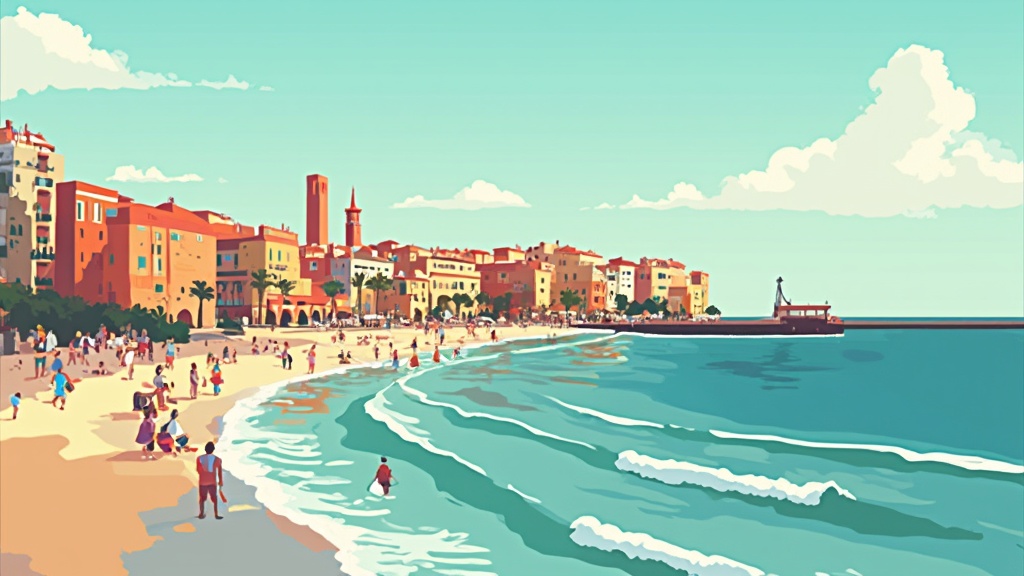
Barcelona's 4.5km of beaches were created for the 1992 Olympics and have become integral to city life:
- Barceloneta Beach: Most famous, most crowded, most fun
- Nova Icària: Family-friendly with calmer waters
- Bogatell: Local favorite, less touristy
- Mar Bella: Clothing-optional section, LGBT-friendly vibe
Beach etiquette: Don't leave valuables unattended, watch for pickpockets, and pack out your trash.
Day Trips
Montserrat
This jagged mountain monastery, 60km from Barcelona, is Catalonia's spiritual heart. The Black Madonna statue has drawn pilgrims for centuries. Take the cable car for dramatic views and hike the Sant Joan trail for stunning perspectives.
Costa Brava
The "Wild Coast" north of Barcelona offers rugged coves, clear waters, and charming villages like Cadaqués (where Dalí lived) and Tossa de Mar.
Sitges
Just 35 minutes by train, this LGBTQ-friendly beach town offers excellent beaches, a charming old town, and a more relaxed vibe than Barcelona's busy coast.
Practical Information
Getting Around
- Metro: Efficient and covers most tourist areas
- Bus: Extensive network, including night buses (Nitbus)
- Walking: The best way to explore individual neighborhoods
- Biking: Flat terrain and bike lanes make cycling viable
Money-Saving Tips
- Book attractions online in advance (cheaper and skip the lines)
- Eat the "menú del día" lunch specials (often under €15 for three courses)
- Use the T-Casual transport card for 10 journeys
- Many museums offer free admission on certain days
Safety
Barcelona is generally safe but notorious for pickpockets, especially on La Rambla, in the Metro, and at beaches. Use anti-theft bags, don't flash valuables, and stay aware in crowded areas.
Booking Essentials
Reserve in advance for:
- Sagrada Família (essential, weeks ahead in peak season)
- Park Güell monumental zone
- Top restaurants like Tickets or Disfrutar
- Flamenco shows at quality venues
The Barcelona Mindset
To truly enjoy Barcelona, adopt the local rhythm. Stay up late. Linger over meals. Spend lazy afternoons at the beach. Let yourself get lost in medieval streets. Argue passionately about football. Take a siesta.
Barcelona doesn't reward those who rush through checking boxes. It rewards those who slow down, look up at a Gaudí balcony, and let the Mediterranean sun warm their face while sipping café con leche in a plaza that's watched centuries pass.
This city has survived Roman conquest, medieval plagues, civil war, and dictatorship. It's emerged not just intact but thriving, its spirit undimmed. That resilience, that joy in living—that's what makes Barcelona unforgettable.
Ready to explore Barcelona? Start planning your trip with our budget guide for Spain and European packing essentials.