Alicante Travel Guide 2026: Beaches, Castle Views & Mediterranean Life
Sun-drenched Alicante combines everything you want from Mediterranean Spain—golden beaches, a dramatic hilltop castle, palm-lined promenades, and tapas bars spilling onto cobblestone squares—without the overwhelming crowds of Barcelona or Valencia. This coastal gem on the Costa Blanca serves up authentic Spanish life with 300+ days of sunshine annually.
Why Visit Alicante?
- Castle with Panoramic Views: Santa Bárbara Castle towers 166 meters above the city with breathtaking Mediterranean views
- Urban Beaches: Walk straight from the old town to wide sandy beaches like Postiguet
- Authentic Spanish Culture: Experience real Spain without being overrun by mass tourism
- Hogueras de San Juan: One of Spain's wildest festivals (June) with bonfires, fireworks, and street parties
- Gateway Location: Perfect base for exploring nearby towns like Altea, Guadalest, and Benidorm
- Year-Round Sunshine: Mild winters (15°C) and hot summers (30°C) with 300+ sunny days
Top Attractions in Alicante
Castillo de Santa Bárbara
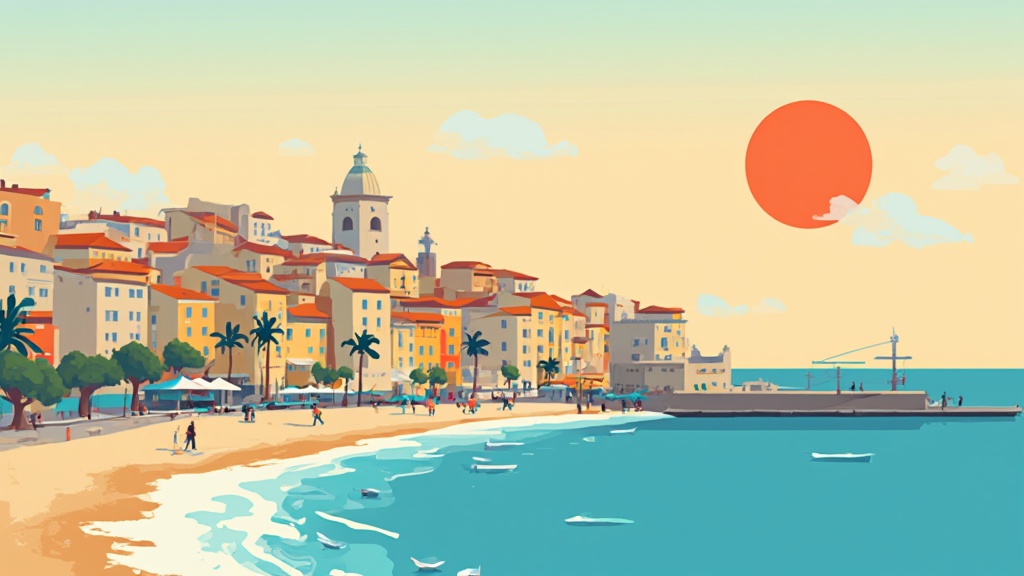
One of Spain's largest medieval fortresses crowns Mount Benacantil. Take the elevator from Postiguet Beach or hike up for stunning 360-degree views. The castle is free to enter and especially magical at sunset. Allow 90 minutes to explore the ramparts, dungeons, and exhibitions.
Explanada de España
Alicante's iconic palm-lined promenade features 6.5 million marble tiles in a distinctive wave pattern. Stroll past street performers, outdoor cafés, and craft stalls. The promenade connects the marina to the city center and comes alive in evenings.
Barrio Santa Cruz
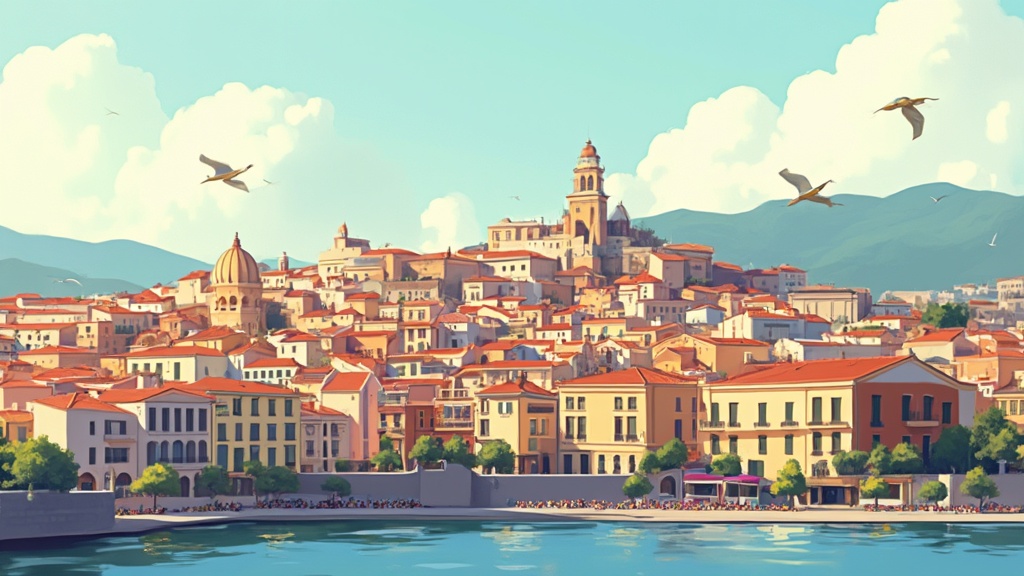
The old quarter's colorful houses climb the hillside below the castle. Narrow streets adorned with flowers, hidden plazas, and authentic tapas bars make this Alicante's most charming neighborhood. Get deliberately lost here.
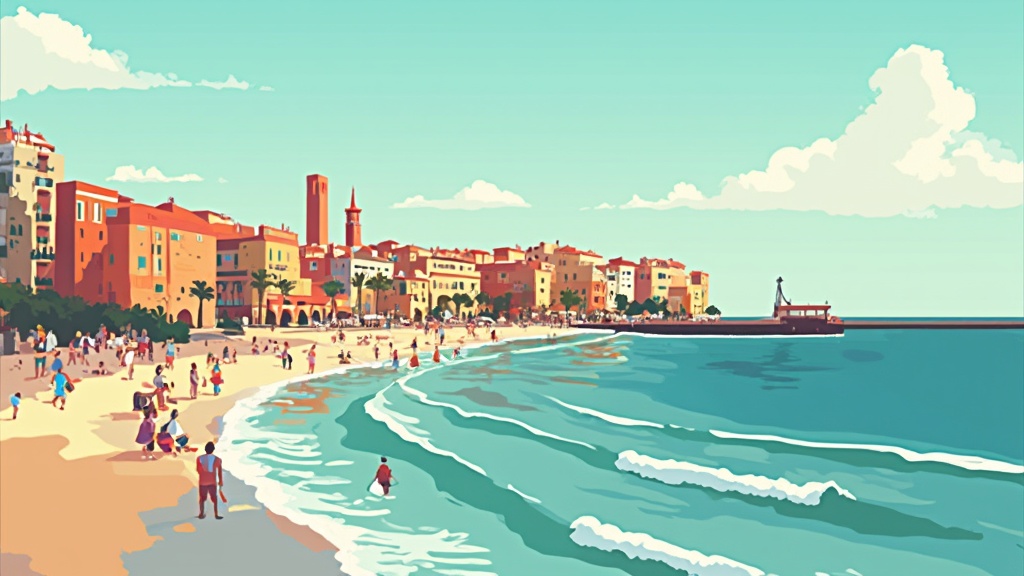
Postiguet Beach
The city's main beach stretches 900 meters of golden sand with crystal-clear water. Backed by palm trees and walking distance from the center. Facilities include showers, lifeguards, beach bars, and water sports rentals.
MARQ Archaeological Museum
This award-winning museum brings Alicante's history alive through immersive exhibits covering Iberian, Roman, and Moorish periods. Interactive displays make it engaging even if you're not typically a museum person.
Tabarca Island
Spain's smallest inhabited island lies 11 nautical miles offshore. Take the ferry (45 minutes) for snorkeling in crystal-clear waters, fresh seafood restaurants, and a laid-back island atmosphere. The entire island is a marine reserve.
Central Market (Mercado Central)
Two-story Art Nouveau market building from 1921 packed with fresh produce, seafood, jamón, olives, and local specialties. Browse the stalls, chat with vendors, and pick up picnic supplies. Open mornings Monday-Saturday.
San Nicolás de Bari Cathedral
Alicante's main cathedral combines Baroque and Renaissance styles with a stunning blue dome. The cloister is peaceful and admission is free (donations welcome). Check if you can climb the tower for city views.
Best Time to Visit Alicante
Spring (April-May)
Perfect weather (18-24°C) for sightseeing and beach lounging. Fewer crowds than summer, lower prices, Easter processions (Semana Santa), and the Moors and Christians festival in April brings colorful parades.
Summer (June-August)
Hot and busy (28-32°C). Peak beach season with highest prices. June's Hogueras de San Juan festival (week around June 24) features massive bonfires and all-night partying. Book well ahead for this period.
Autumn (September-October)
Ideal conditions (22-26°C in Sept, 18-22°C in Oct). Water remains warm for swimming. Fewer tourists, lower accommodation prices, and locals return from August vacations so all restaurants reopen.
Winter (November-March)
Mild (12-17°C) and quiet—perfect for those avoiding crowds. Beach swimming is chilly but sightseeing is pleasant. Christmas markets in December. Lowest hotel rates. Some beach restaurants close until Easter.
Local Tips & Advice
- Skip the Tourist Menu del Día in the old town—walk a few blocks inland for authentic 3-course €12-15 lunch menus at local spots
- Climb to the Castle via Elevator from Postiguet Beach for just €2.70 instead of the steep hike
- Visit Tabarca Island Midweek when ferries are less crowded; return early afternoon before the day-trippers rush back
- Try the Free Tapas Tradition at bars in Barrio Santa Cruz—order a drink and receive a small free tapa
- Summer Siesta Hours: Many shops close 2-5 PM in July-August; plan accordingly
- Book Accommodation Early for Hogueras in June—prices triple and sell out months ahead
- Use TRAM for Day Trips to nearby beaches and towns—modern, efficient, and scenic coastal route
What to Eat in Alicante
Arroz a Banda
Alicante's signature rice dish cooked in fish stock, served with alioli (garlic mayonnaise). Similar to paella but the seafood is served separately. Order it at restaurants along the port.
Turrón
Alicante's most famous product—nougat made from almonds and honey. The nearby town of Jijona produces most of Spain's turrón. Try both hard (Alicante-style) and soft (Jijona-style) varieties.
Cocido con Pelotas
Traditional chickpea and meatball stew—hearty comfort food popular in winter months. Look for it on weekday lunch menus at local restaurants.
Fresh Seafood
Gambas rojas (red prawns), pulpo (octopus), and calamares (squid) caught daily. The Central Market and port-area restaurants have the freshest selection.
Horchata and Fartons
Refreshing tiger nut milk served ice-cold, paired with sweet finger pastries for dunking. Perfect for hot afternoons. Try it at authentic horchaterías.
Vino de Alicante
Local red and white wines from nearby DO Alicante region. Monastrell (red) and Moscatel (sweet white) are regional specialties. Sample them at bars in the old town.
Neighborhoods to Explore
El Barrio (Old Town): Historic heart around Santa Cruz and El Raval neighborhoods. Colorful streets, tapas bars, nightlife. Stay here for atmosphere and walkability to everything.
Playa de San Juan: Modern beach neighborhood 7km north with a 7km sandy beach, high-rise hotels, and seafood restaurants. Best for beach-focused stays. Connected by TRAM.
Explanada/Marina: Upscale area along the promenade with elegant buildings, yacht marina, shopping, and palm-lined streets. Great for morning runs and evening strolls.
Cabo de las Huertas: Residential coastal area southeast of center with rocky coves, natural pools, and upscale dining. Popular with locals for swimming.
Getting Around
The old town and Postiguet Beach are easily walkable. Alicante's TRAM system connects the airport, city center, beaches, and nearby towns efficiently. Buy a multi-trip card for savings.
City buses cover areas the tram doesn't reach. Use the Moovit app for real-time public transport directions.
Rent bikes along the beachfront promenade or use Bicialx bike-share. The city has good cycling infrastructure along the coast.
Taxis are affordable for short trips. Uber doesn't operate here, but local app-based services like Pidetaxi work well.
Where to Stay in Alicante
Luxury (€120+): Boutique hotels and upscale properties near the marina or along Explanada. Hospes Amerigo and Hotel Meliá Alicante offer style and rooftop pools.
Mid-Range (€50-120): Best value in the old town or near Postiguet Beach. Look for recently renovated 3-star hotels. Hostal Les Monges Palace is a charming budget boutique option.
Budget (€20-50): Quality hostels near the beach like The Hostel B&B, or simple guesthouses inland. Airbnb apartments offer good value for longer stays.
Best Area for First-Timers: Old Town (Barrio) for atmosphere and walking to attractions, or near Postiguet Beach for combining beach and sightseeing.
Frequently Asked Questions
How many days do you need in Alicante?
2-3 days covers the main sights comfortably—castle, old town, beach, and museum. Add a 4th day for a Tabarca Island trip or exploring nearby coastal towns like Altea. A week works well for a relaxed beach holiday using Alicante as your base.
Is Alicante safe for tourists?
Yes, Alicante is generally safe with low violent crime. Watch for pickpockets in crowded tourist areas like the Explanada, beaches, and market. Avoid poorly lit areas at night. The old town gets rowdy on weekend nights but is more lively than dangerous.
What is Alicante known for?
Alicante is famous for its dramatic Santa Bárbara Castle, year-round sunshine (300+ days), urban beaches, turrón (nougat), wild Hogueras de San Juan bonfires festival in June, and as the gateway to Costa Blanca beach resorts.
What food should I try in Alicante?
Don't miss arroz a banda (rice cooked in fish stock with alioli), turrón (almond nougat), fresh seafood especially gambas rojas (red prawns), horchata (tiger nut milk), and local Monastrell wines. Try tapas bar-hopping in Barrio Santa Cruz.
Is Alicante better than Valencia?
Different vibes—Valencia is larger, more urban, with world-class museums (City of Arts and Sciences) and paella. Alicante is smaller, more laid-back, with better beaches right in the city and a dramatic castle. Choose Valencia for culture, Alicante for beach life and relaxation.
When is the best time to visit Alicante?
September-October offers the ideal combination of warm weather (22-26°C), swimmable Mediterranean, fewer crowds, and lower prices. April-May is also excellent for sightseeing. Avoid August when locals vacation, many businesses close, and crowds peak.
Alicante Travel Guide 2026 - Last updated: February 2026