Budapest Travel Guide 2026: The Pearl of the Danube
Split by the Danube into hilly Buda and flat Pest, Budapest delivers an intensity of beauty and experience that catches visitors off guard. Other Central European capitals feel like museums; Budapest feels alive—its coffee houses still buzz with literary tradition, its thermal baths still steam with thousand-year-old spring water, its ruin bars transform abandoned buildings into legendary nightlife, and its cuisine has evolved from peasant heartiness to Michelin-starred innovation. At a fraction of Western European prices, Budapest offers one of the continent's most rewarding city experiences.
Why Visit Budapest
Budapest packs multiple destinations into one city. The Buda hills offer castle districts, panoramic views, and cave systems. Pest delivers Art Nouveau architecture, Jewish Quarter heritage, and a restaurant scene earning serious recognition. The Danube itself—especially crossed by the Chain Bridge at night—creates scenes that stop you mid-step.
The thermal baths deserve headlining. Built on 120+ natural hot springs, Budapest has been a spa city since Roman times. Soaking in the neoclassical Széchenyi Baths, Turkish-era Rudas, or Art Nouveau Gellért feels like Europe as it once was—social bathing, mineral waters, unhurried afternoons.
The value remains remarkable. Hotels, meals, and drinks cost significantly less than Vienna, Prague, or Munich. Your budget stretches further here, allowing upgrades—better hotels, finer restaurants, longer stays—that you'd skip elsewhere.
Best Time to Visit Budapest
Spring (April-May)
Budapest blooms beautifully. Temperatures reach 15-22°C (59-72°F), cherry blossoms fill parks, and outdoor café terraces reopen. The Budapest Spring Festival (April) brings performances and cultural events. Crowds remain manageable; prices haven't hit summer peaks. Many consider this Budapest's ideal season.
Summer (June-August)
Warm temperatures (22-28°C/72-82°F) extend outdoor bath seasons and enable Danube island activities. The Sziget Festival (August) transforms Óbudai Island into one of Europe's largest music festivals. Outdoor ruin bar gardens peak. Hotels fill and prices rise, but Budapest rarely feels oppressively crowded.
Autumn (September-October)
Perhaps Budapest's loveliest months. Warm but comfortable (14-20°C/57-68°F), with golden light across the Danube and autumn colors in Buda hills. Wine festivals celebrate Hungarian vintages. Cultural seasons resume. This is connoisseur Budapest—visitors who know choose autumn.
Winter (November-March)
Cold (0-5°C/32-41°F) with occasional snow, but thermal baths steam most appealingly against winter air. Christmas markets fill Vörösmarty Square and St. Stephen's Basilica square. New Year's Eve celebrations pack the city. January-February bring the year's lowest prices and thinnest crowds—excellent for museum-heavy trips.
Top Things to Do in Budapest
Buda Side
Buda Castle dominates the western bank from its hilltop perch. The Royal Palace houses the Hungarian National Gallery and Budapest History Museum. The castle district's cobblestone streets, medieval walls, and Matthias Church create an atmosphere distinct from Pest's grandeur. Take the funicular (sikló) up for views; walk down through the gardens.
Fisherman's Bastion provides Budapest's most photographed viewpoint. The neo-Gothic towers and terraces look like fairy-tale architecture—because that's essentially what they are, built in the early 1900s as scenic decoration. Sunrise visits avoid crowds and catch Pest in golden light.
Matthias Church anchors the castle district with 700 years of Hungarian history. The interior's colorful patterns, the church treasury, and the views from the tower (steep climb) reward the modest entry fee.
Gellért Hill rises south of the castle, offering 360-degree panoramas from the Citadel and Liberty Statue. The hike up isn't trivial, but Gellért Baths wait at the bottom for post-climb recovery.
Pest Side
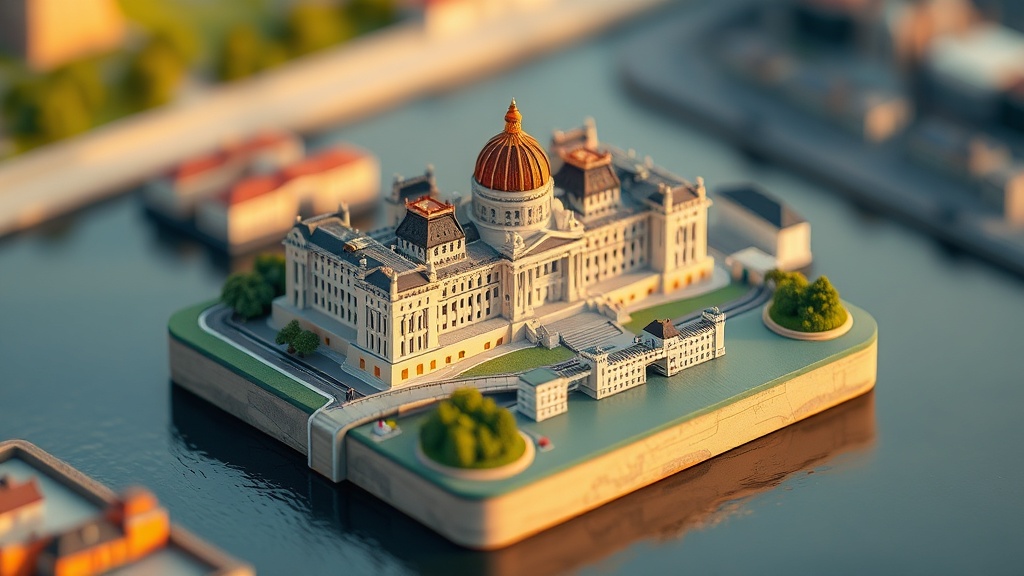
Hungarian Parliament Building rivals London's Houses of Parliament in Gothic Revival grandeur—and surpasses them in size (268 meters long). Tours reveal the Crown Jewels, Hungarian history, and an interior of gold-leaf excess. Book online well ahead; same-day tickets rarely exist.
St. Stephen's Basilica honors Hungary's founding king. The interior gleams with marble and mosaics. Climb (or take the lift) to the dome for central Pest views. The treasury holds Stephen's mummified right hand—yes, really.
Heroes' Square anchors City Park with monumental statues celebrating Magyar tribal chiefs and historical figures. The Millennium Monument marks 1,000 years of Hungarian statehood. The adjacent Art Gallery (Műcsarnok) and Museum of Fine Arts frame the square.
The Jewish Quarter holds Europe's largest synagogue (Dohány Street Synagogue), Holocaust memorials, and the city's legendary ruin bar scene. Walking tours illuminate the neighborhood's complex history—joyous prewar life, wartime tragedy, and contemporary revival.
Andrássy Avenue (UNESCO World Heritage) stretches from the center to Heroes' Square, lined with Neo-Renaissance mansions, the Opera House, and upscale shops. The millennium underground beneath (continental Europe's oldest metro line) is itself a heritage site.
The Danube
Chain Bridge (Széchenyi Lánchíd), Budapest's most iconic bridge, currently sparkles after extensive renovation. Walking across at night—Buda Castle lit behind you, Parliament glowing ahead—ranks among Budapest's essential experiences.
Margaret Island floats mid-Danube as the city's green escape. Running tracks, swimming pools, gardens, a musical fountain, and medieval ruins fill the island. Accessible from either side, it's perfect for morning jogs or lazy afternoon picnics.
Danube River Cruises offer the laziest way to see Budapest's waterfront. Evening cruises capture the illuminated Parliament, bridges, and castle. Dinner cruises exist, but simple sightseeing boats at a fraction of the price show the same views.
Thermal Baths
Budapest sits on more than 120 thermal springs—more than any capital city worldwide. Thermal bathing here isn't spa indulgence; it's local tradition, social activity, and genuine mineral therapy.
Széchenyi Baths sprawl across City Park as Europe's largest medicinal bath complex. The outdoor pools steam even in winter, creating surreal scenes of chess-playing bathers surrounded by yellow Neo-Baroque architecture. Indoor pools, saunas, and the "beer spa" area complete the experience. Go weekday mornings for calmer pools.
Gellért Baths occupy an Art Nouveau palace at the base of Gellért Hill. The main pool—with its columned gallery and wave machine—photographs beautifully. The Roman-style thermal pools and the outdoor wave pool make this the most architecturally stunning option.
Rudas Baths date to Ottoman occupation (1566). The original Turkish octagonal pool under a domed ceiling captures five centuries of continuity. The rooftop pool offers Danube views. Night bathing sessions (weekends) add DJ sets.
Király Baths preserve another Ottoman original—smaller and more intimate than Rudas, with similarly historic atmosphere.
Practical tips: Bring flip-flops, a towel (or rent), and swimwear. Mixed-gender bathing is now standard except at specific times. Mornings see locals; afternoons fill with tourists. Weekday visits generally mean more space.
Ruin Bars
Budapest's ruin bars transformed abandoned Jewish Quarter buildings into the world's most distinctive nightlife. What started as artist squats became legendary venues—crumbling courtyards filled with mismatched furniture, bathtubs, and Communist-era kitsch.
Szimpla Kert started it all and remains the essential stop. The rambling complex fills a former factory with bars, dance floors, and improbable decorations. Go early evening to explore before crowds pack in.
Instant-Fogas spreads across multiple levels in a combined venue—Budapest's biggest ruin bar complex. Seven dance floors, outdoor areas, and varied music guarantee something for every taste.
Anker't offers garden atmosphere with food trucks and calmer vibes than party-focused venues.
Mazel Tov adds Middle Eastern cuisine and stylish design to the ruin bar concept—great for dinner before drinks.
Csendes Vintage Bar takes the aesthetic upscale in a book-filled, antique-decorated space.
Hungarian Cuisine
Hungarian food centers on paprika, pork, and hearty preparation—but Budapest's restaurant scene now ranges from traditional to avant-garde.
Traditional Dishes
Goulash (Gulyás) is actually a soup, not a stew. Beef, vegetables, and loads of paprika create the national dish. Every traditional restaurant serves it; quality varies.
Chicken Paprikash (Paprikás Csirke) bathes chicken in paprika cream sauce, served with nokedli (small dumplings).
Lángos is deep-fried dough topped with sour cream and cheese—the ultimate street food, especially at markets and festivals.
Kürtőskalács (chimney cake) spins dough around a cylinder, baked and coated in cinnamon sugar. The smell alone draws crowds.
Töltött Káposzta (stuffed cabbage) appears at family gatherings—cabbage leaves wrapped around meat and rice, simmered in tomato-paprika sauce.
Where to Eat
Central Market Hall (Nagyvásárcsarnok) spreads three levels of produce, meats, paprika vendors, and upstairs food stalls. Go downstairs for ingredients, upstairs for lángos and goulash.
Café Gerbeaud on Vörösmarty Square serves pastries in grand coffee house tradition since 1858.
Menza does elevated comfort food—Hungarian dishes with modern presentation—in retro-chic surroundings.
Borkonyha holds a Michelin star for contemporary Hungarian cuisine with natural wines.
Costes earned Budapest's first Michelin star and maintains it with fine dining excellence.
For Jewish cuisine: Mazel Tov (modern), Carmel (traditional), Kadarka (wine bar with bites).
Wine and Pálinka
Hungarian wines deserve attention. Tokaji (sweet wine) is world-famous, but dry Furmint from the same region surprises quality-seekers. Egri Bikavér (Bull's Blood) provides robust reds. Villány produces excellent Bordeaux-style wines.
Pálinka—fruit brandy—ranges from harsh to excellent. Traditional flavors include plum, apricot, and pear. Quality pálinka bars (Élesztő, Rumpus Tiki Bar's selection) introduce the spirit properly.
Getting Around Budapest
Metro
Four lines cover Budapest efficiently. Line 1 (yellow) along Andrássy Avenue is itself a UNESCO site—the oldest electrified underground railway in continental Europe. Buy travel passes (24-hour, 72-hour, weekly) for unlimited use on metro, trams, and buses. Single tickets cost more per ride; passes pay off quickly.
Trams
Scenic and useful. Trams 2 and 19 run along the Danube—the best cheap sightseeing. Tram 4/6 circles Pest's boulevard ring.
Walking
Central Pest clusters compactly—walking covers most sights. Buda's hills require more effort or transport.
Funicular and Buses
The castle funicular (sikló) climbs Castle Hill (or walk through the gardens). Buses reach Gellért Hill, Buda hills, and outer areas.
River Transport
Ferries supplement bridges, running up and down the Danube. Useful for combining Castle District visits with Margaret Island.
Day Trips from Budapest
Szentendre (40 minutes by HÉV train) charms with Serbian churches, art galleries, and colorful houses. Marzipan museum, outdoor folk museum, and riverside ambiance make it the most popular day trip.
Esztergom holds Hungary's largest basilica—the dome offers panoramic Danube views. Combine with Visegrád for a full day along the Danube Bend.
Visegrád features medieval castle ruins high above the Danube, medieval palace remains below, and panoramic hiking. Ferries connect it to Esztergom.
Eger (two hours) offers a historic castle, the "Valley of Beautiful Women" wine cellars (Bikavér tasting), and baroque architecture. Worth an overnight.
Lake Balaton (1.5 hours) provides summer swimming, wine regions (Badacsony), and resort towns. Day trips work, but the lake rewards longer stays.
Practical Information
Money
Hungarian Forint (HUF). Many tourist-oriented places accept Euros, usually at poor exchange rates. ATMs are everywhere; cards work widely but not universally—smaller restaurants and ruin bars sometimes prefer cash.
Language
Hungarian is famously difficult, but English works well in tourist areas. Any attempt at Hungarian basics earns appreciation: "Köszönöm" (thank you), "Szia" (hi/bye informal), "Egészségedre" (cheers).
Tipping
10-15% is standard at restaurants. Check if service is included (rare but exists). Round up for taxis and bars.
Safety
Budapest feels safe. Tourist-area pickpockets exist; taxi scams occasionally occur (use Bolt app or ensure meter runs). Violent crime rarely affects visitors.
Insider Tips
The "ruin bar" label now covers everything from divey originals to Instagram-ready wine bars. Szimpla remains essential but is no longer alternative—expect crowds. For quieter drinking, try Kertem (garden bar) or Telep (artist space).
Thermal bath timing matters. Széchenyi on Saturday afternoon packs tourist crowds. Tuesday morning finds locals doing laps. Rudas night sessions suit party seekers; daytime preserves the Ottoman atmosphere.
The cheap Danube view: Tram 2 runs along Pest's riverfront with Parliament, castle, and bridge views—same scenery as dinner cruises at transit prices.
For the best goulash, skip tourist restaurants. Local recommendations consistently point to Kádár Étkezde (Jewish Quarter, lunch only, closed Saturdays) and Bock Bisztró (wine-paired).
Margaret Island peaks at sunset. The musical fountain runs light shows after dark during summer months.
FAQ
How many days do you need in Budapest?
Four days covers major sights, baths, and neighborhood exploration comfortably. Three days hits highlights but feels rushed. A full week allows day trips and deeper discovery.
Is Budapest cheap?
By Western European standards, yes. Expect to pay 30-40% less than Vienna or Munich for comparable quality. Dining and drinking particularly reward Budapest budgets.
Are thermal baths mixed gender?
Now yes, almost entirely. Single-sex times exist at some baths but are becoming rarer.
Is Budapest safe for solo travelers?
Very safe. Standard city precautions apply. Solo travelers, including women, report consistently positive experiences.
Can you drink tap water?
Yes, Budapest's tap water is safe and good quality. Restaurants may push bottled water; asking for tap ("csapvíz") works fine.