Athens: Where Civilization Began
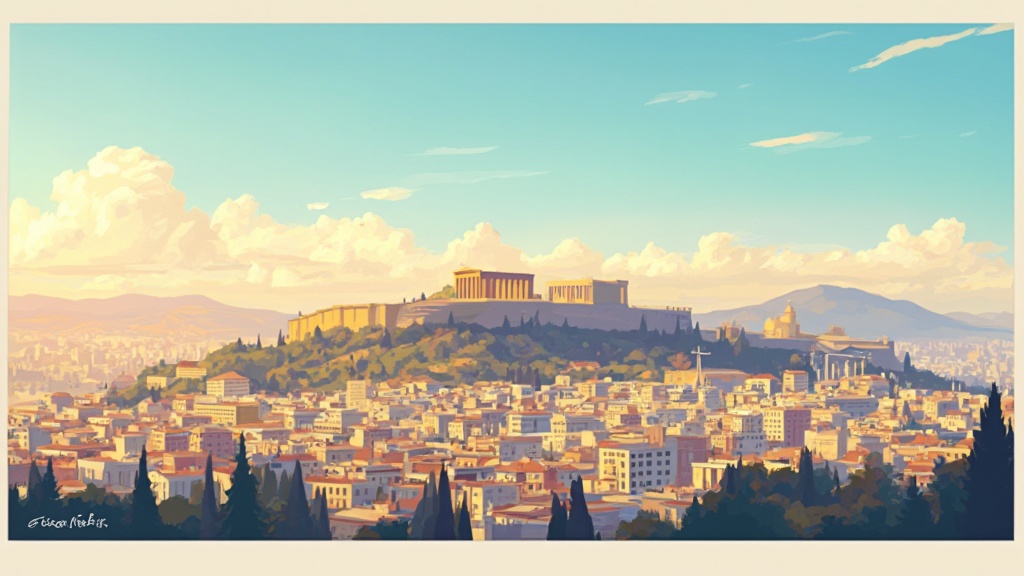
Athens hits you with two things simultaneously: the weight of 3,000 years of history and the electric energy of a modern city that refuses to be a museum. The Acropolis presides over everything, but beneath it, graffiti-covered streets pulse with some of Europe's best nightlife, tavernas serve food that hasn't changed in centuries because it didn't need to, and a creative scene born from economic crisis has turned Athens into one of the continent's most exciting cities.
Why Visit Athens
Athens delivers an experience no other city can:
- The Acropolis - The Parthenon crowning the city, visible from almost everywhere
- Ancient Sites - Agora, Temple of Olympian Zeus, Theatre of Dionysus
- Food Culture - Taverna dining, souvlaki streets, ouzo and meze traditions
- Street Art Scene - Crisis-era creativity covering entire neighborhoods
- Nightlife - Rooftop bars, underground clubs, open-air cinemas
- Affordable - Cheaper than most Western European capitals
- Island Gateway - Ferries to the Aegean from Piraeus
- Mediterranean Climate - Warm, dry, and sun-drenched
Best Time to Visit
Spring (April-May)
The ideal season. Temperatures of 16-25°C, wildflowers on the hills, Easter celebrations (if dates align), and manageable crowds at archaeological sites. The city buzzes with outdoor café life returning after winter.
Summer (June-August)
Hot and intense (30-40°C). The Acropolis in July is a furnace, but rooftop bars and open-air cinemas make evenings magical. Athens & Epidaurus Festival brings world-class performances to ancient venues. Many Athenians escape to islands, leaving neighborhoods quieter.
Fall (September-October)
Excellent conditions. Heat eases (22-30°C), sea is still warm for day-trip swimming, and the cultural season launches. Fewer tourists, better prices, and the golden light photographers crave.
Winter (November-March)
Mild by European standards (8-15°C) with occasional rain. Museums are empty, hotel prices drop significantly, and you experience Athens as Athenians do - cozy tavernas, indoor markets, and the Acropolis in solitude. Christmas in Syntagma Square is festive.
The Acropolis
Sacred Rock of Athens
The Acropolis isn't just Athens' highlight - it's one of humanity's greatest achievements. This limestone plateau rising above the city has been a fortress, a sanctuary, and a symbol for 2,500 years. What survives, despite earthquakes, wars, explosions, and pollution, remains staggering.
What to See
-
The Parthenon
- Temple of Athena, completed 438 BC
- Doric perfection, mathematical precision
- Currently under ongoing restoration
- No entry inside, but the exterior overwhelms
-
Erechtheion
- Temple with the famous Caryatid porch
- Six maiden columns supporting the roof
- Originals in the Acropolis Museum (replaced by casts)
- Sacred olive tree of Athena nearby
-
Propylaea
- Monumental gateway entrance
- The approach the ancient Greeks intended
- Impressive even in ruin
-
Temple of Athena Nike
- Small but perfectly proportioned
- On the right as you enter
- Ionic order masterpiece
-
Theatre of Dionysus
- Birthplace of Western theater
- Where Sophocles and Euripides premiered
- South slope of the Acropolis
- Included in the ticket
Visiting Tips
- Buy the combined archaeological ticket (€30) - covers Acropolis plus six other sites, valid 5 days
- Visit at opening (8am) or late afternoon to avoid crowds and heat
- Wear shoes with grip - marble is slippery
- Carry water, there's no shade
- The south slope entrance avoids the worst crowds
- Allow 2-3 hours for Acropolis alone
Acropolis Museum
This stunning modern museum, opened in 2009, houses the finds from the Acropolis site with extraordinary presentation. The top-floor Parthenon Gallery aligns with the actual Parthenon visible through the glass walls, displaying the surviving frieze panels at their original orientation.
Highlights:
- Archaic Gallery (pre-Classical sculptures, remarkable colors)
- Caryatids (originals, face to face)
- Parthenon Gallery (frieze, metopes, pediments)
- Glass floor revealing archaeological excavation beneath
- Restaurant with Acropolis views
Tips:
- Friday evenings open late with reduced admission
- Allow 2-3 hours
- Audio guide worthwhile
- One of Europe's best museum experiences
Ancient Athens
Beyond the Acropolis
-
Ancient Agora
- The civic heart of Classical Athens
- Where Socrates taught and democracy was practiced
- Temple of Hephaestus (best-preserved ancient Greek temple)
- Stoa of Attalos (reconstructed, now a museum)
- Covered by combined ticket
-
Temple of Olympian Zeus
- Largest temple in ancient Greece
- 15 surviving columns convey the original scale
- Hadrian's Arch adjacent
- Combined ticket site
-
Roman Agora & Tower of the Winds
- Roman-era market expansion
- Tower of the Winds is an ancient weather station
- Recently restored and accessible
- Less crowded than Greek Agora
-
Kerameikos Cemetery
- Ancient Athens' burial ground
- Atmospheric, quiet, and overlooked by tourists
- Small museum with grave goods
- Combined ticket site
-
National Archaeological Museum
- Greece's most important museum
- Mycenaean gold (Mask of Agamemnon)
- Bronze sculptures (Poseidon/Zeus, Jockey of Artemision)
- Frescoes from Santorini (Akrotiri)
- Separate admission, allow half day
Neighborhoods to Explore
Plaka
The old neighborhood beneath the Acropolis. Neoclassical buildings, bougainvillea-draped streets, and tavernas with rooftop Acropolis views. Touristy on the main streets, but side alleys hide genuine charm. Anafiotika, the whitewashed village-within-a-city clinging to the Acropolis slope, is unforgettable.
Experience:
- Anafiotika (Cycladic village atmosphere)
- Souvenir shopping (better quality than you'd expect)
- Rooftop dining with Acropolis views
- Museum of Greek Popular Instruments
- Morning coffee before the crowds
Monastiraki
The flea market neighborhood where ancient, Ottoman, and modern Athens collide. Sunday mornings bring the full market experience. Monastiraki Square connects to the Ancient Agora, and the surrounding streets are the city's liveliest.
Don't miss:
- Sunday flea market (antiques, vinyl, everything)
- Tzistarakis Mosque (now a ceramics museum)
- Avissinias Square (vintage furniture)
- Souvlaki row (Bairaktaris, Thanasis)
- Sunset drinks overlooking the Agora
Psyrri
Adjacent to Monastiraki, Psyrri transformed from a warehouse district into Athens' nightlife epicenter. Tiny bars, live music tavernas, and street art cover every surface. By day it's quiet; by night, it's where Athens goes out.
The scene:
- Small bars and mezedopolia
- Live rebetiko music (Greek blues)
- Street art everywhere
- Late-night dining
- Athens nightlife central
Exarchia
Athens' anarchist quarter. Political graffiti, independent bookshops, vinyl record stores, and some of the city's cheapest and most authentic tavernas. Exarchia Square buzzes with debate, beer, and the spirit of perpetual resistance. Not polished; that's the point.
Experience:
- Strefi Hill sunset views
- Cheapest tavernas in central Athens
- Independent record shops
- Political street art
- Student atmosphere
Kolonaki
Athens' upscale neighborhood at the foot of Lycabettus Hill. Designer boutiques, elegant cafés, and the Benaki Museum. Take the funicular to the top of Lycabettus for 360-degree city views at sunset.
Discover:
- Lycabettus Hill (funicular or walk)
- Benaki Museum of Greek Culture
- Boutique shopping
- Elegant café culture
- Museum of Cycladic Art
Koukaki
The residential neighborhood south of the Acropolis has become Athens' best-kept secret. Local tavernas, the Filopappou Hill walks, and proximity to everything without the tourist infrastructure.
Local life:
- Filopappou Hill (Acropolis views, sunset)
- Neighborhood tavernas
- Walking distance to everything
- Real Athenian atmosphere
Food & Drink
Greek Food Culture
Eating in Athens is a communal event. Tables are shared, dishes arrive when ready, and meals stretch for hours. The food is simple, ingredient-driven, and hasn't changed much because olive oil, tomatoes, feta, and fresh fish don't need innovation.
Essential Dishes
- Souvlaki - Grilled meat on a stick or in pita, Athens' defining street food
- Moussaka - Layers of eggplant, minced meat, and béchamel
- Pastitsio - Greek baked pasta (the Greek lasagna)
- Horiatiki - Greek salad (no lettuce, just tomato, cucumber, onion, olives, feta, oregano, oil)
- Spanakopita - Spinach and feta pie in phyllo
- Grilled octopus - Char-grilled, lemon, olive oil
- Loukoumades - Fried dough balls with honey and cinnamon
Where to Eat
Traditional tavernas:
- Ta Karamanlidika tou Fani - Charcuterie and meze in Psyrri
- Klimataria - Rebetiko music with dinner since 1927
- To Kafeneio - Plaka, excellent traditional cooking
- Mavro Provato - Pangrati, locals' favorite
Street food:
- Kostas (Syntagma) - Possibly Athens' best souvlaki, tiny shop, huge lines
- Bairaktaris - Monastiraki institution
- Hoocut - Modern souvlaki with quality ingredients
- Feyrouz - Syrian shawarma, Omonia
Modern Greek:
- Nolan - Greek-Japanese fusion
- Spondi - Two Michelin stars, French-Greek
- CTC - Creative Mediterranean
Drink Culture
- Ouzo - Anise-flavored spirit, served with meze, add water to turn it cloudy
- Tsipouro - Grape spirit, often served with small plates in ouzeries
- Greek wine - Assyrtiko (Santorini), Xinomavro (Macedonia), emerging quality
- Freddo espresso - Athens' coffee obsession, iced and shaken
- Rooftop cocktails - A for Athens, Couleur Locale, 360 Cocktail Bar
Athens Central Market (Varvakios Agora)
The city's main market since 1886. Fish vendors shouting, butchers displaying whole carcasses, olive and cheese stalls, and small restaurants inside serving to market workers and adventurous visitors. Not sanitized for tourists; that's why it's worth visiting.
Nightlife
Athens After Dark
Athens has one of Europe's most vibrant nightlife scenes, with the added benefit that it's cheap. Things don't start until late - dinner at 10pm, bars at midnight, clubs at 2am.
Where to go:
- Psyrri - Bar-hopping central, intimate venues
- Gazi (Kerameikos area) - Larger clubs, more mainstream
- Exarchia - Cheapest drinks, alternative crowd
- Koukaki - Wine bars, neighborhood drinks
- Riviera coast - Summer seaside clubs (Glyfada, Vouliagmeni)
Open-air cinemas: Athens has dozens of outdoor cinemas operating May through September. Watching a film under the stars with the Acropolis lit up behind you is a quintessential Athens experience. Try Cine Thisio or Cine Paris.
Day Trips from Athens
Within 2 Hours
-
Cape Sounion (70km)
- Temple of Poseidon on the cliff edge
- Sunset is legendary
- Coastal drive or organized tour
- Combine with Athens Riviera beaches
-
Hydra Island (2 hours by ferry)
- No cars, no motorbikes - donkeys only
- Artist colony since the 1960s
- Beautiful harbor
- Day trip from Piraeus
-
Aegina Island (40 minutes by fast ferry)
- Temple of Aphaia
- Pistachio capital of Greece
- Less touristy than Hydra
- Easy and affordable
-
Delphi (2.5 hours)
- Ancient oracle site
- "Navel of the world"
- Stunning mountain setting
- Full day recommended
-
Nafplio (2 hours)
- Greece's first capital
- Venetian fortress
- Charming old town
- Possibly Greece's prettiest town
Practical Information
Getting Around
On foot is best for central Athens. The historic center is compact and walkable, with pedestrianized streets connecting major sites.
Metro:
- Three lines, clean, efficient
- Syntagma and Monastiraki stations have archaeological displays
- Airport connected by metro (Line 3, 40 minutes)
- €1.20 per ride (90-minute validity)
Other options:
- Bus - Extensive network, confusing for visitors
- Tram - Runs to the coast (Glyfada, Voula)
- Taxi - Affordable by European standards (use Beat app)
- Ferry from Piraeus - Gateway to the islands
Money Matters
- Euros (€)
- Cash still preferred at small tavernas and kiosks
- Cards accepted at most restaurants and shops
- ATMs everywhere
- Tipping 5-10% appreciated, not expected
- Athens is cheaper than most Western European capitals
Safety
Athens is generally safe:
- Tourist areas well-policed
- Petty theft and pickpocketing on metro and at sites
- Omonia Square area rougher at night
- Exarchia occasionally sees protests
- Normal urban awareness applies
Weather
- Summer is seriously hot - plan indoor activities for midday
- Carry water always
- Sunscreen and hat essential
- AC in hotels/restaurants is standard
- Winter rain comes in bursts, rarely all day
Hidden Gems
Secret Spots
-
First Cemetery of Athens
- Stunning marble sculptures
- Famous Greek figures buried here
- Peaceful, art-filled walks
- Near Panathenaic Stadium
-
Technopolis
- Former gasworks turned cultural center
- Gazi neighborhood anchor
- Concerts, exhibitions, festivals
- Industrial architecture
-
Hammam Baths
- Ottoman-era bathhouse experience
- Several restored and operating
- Unique Athens relaxation
- Book ahead
-
Stavros Niarchos Foundation Cultural Center
- Renzo Piano-designed complex
- National Library and Opera
- Rooftop park and canal
- Free events and activities
-
Athens Riviera
- Coastal strip from Faliro to Vouliagmeni
- Beach clubs and swimming
- Lake Vouliagmeni (thermal, mineral water)
- Tram accessible from center
Local Tips
- Greeks eat dinner late (9-10pm earliest)
- Freddo espresso or freddo cappuccino is the daily coffee
- Never rush a Greek meal - it's rude
- Sunday mornings at Monastiraki flea market
- Free walking tours from Syntagma Square are excellent
- The combined archaeological ticket saves significant money
Photography Spots
Best Views
- Filopappou Hill - Acropolis from the southwest, panoramic
- Lycabettus Hill - 360-degree city views, sunset essential
- Anafiotika - Whitewashed streets with Acropolis backdrop
- A for Athens rooftop - Monastiraki Square and Acropolis
- Areopagus Hill - Below the Acropolis, dramatic at sunset
Golden Hour
- Acropolis from Filopappou at sunset
- Plaka rooftops in morning light
- Temple of Poseidon at Sounion (sunset)
- Monastiraki Square at blue hour
- Erechtheion Caryatids in late afternoon
Conclusion
Athens doesn't polish its edges for visitors. The graffiti stays, the stray cats wander, the metro might have a strike, and the waiter will bring your food when it's ready, not when you expect it. That raw authenticity is what makes Athens extraordinary. Beneath the Acropolis - which genuinely takes your breath away no matter how many photos you've seen - is a city living at full volume: eating, drinking, arguing, creating, and celebrating with a passion that 3,000 years of civilization have only intensified.
Come for the ruins. Stay for the life happening around them.
FAQ
Is Athens safe for tourists?
Yes, Athens is safe for tourists. Pickpocketing on the metro and around major sites is the primary concern. Omonia Square can be rough at night. Otherwise, standard urban awareness applies.
How many days do you need in Athens?
Three days covers the Acropolis, major museums, neighborhoods, and food exploration. Four to five days allows for day trips to Sounion, islands, or Delphi. Even two days hits the essentials.
Do you need cash in Athens?
Many small tavernas, kiosks, and street food vendors prefer cash. Cards are accepted at most restaurants and shops, but carrying euros is recommended.
Is Athens expensive?
Athens is notably cheaper than Paris, London, or Rome. Expect €3-4 for souvlaki, €8-12 for a taverna main course, and €3-5 for cocktails in many bars. Hotels and Airbnbs are also affordable by European standards.
Can you visit Greek islands from Athens?
Absolutely. Ferries depart from Piraeus port (30 minutes from city center). Aegina and Hydra work as day trips. For Santorini, Mykonos, or Crete, plan at least an overnight.