Badalona: Barcelona's Authentic Seaside Neighbor
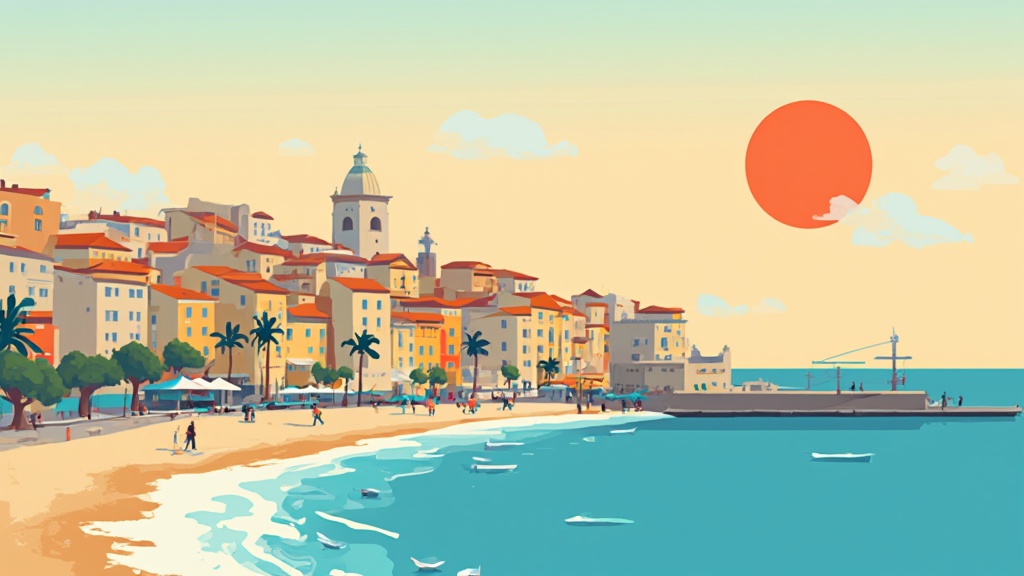
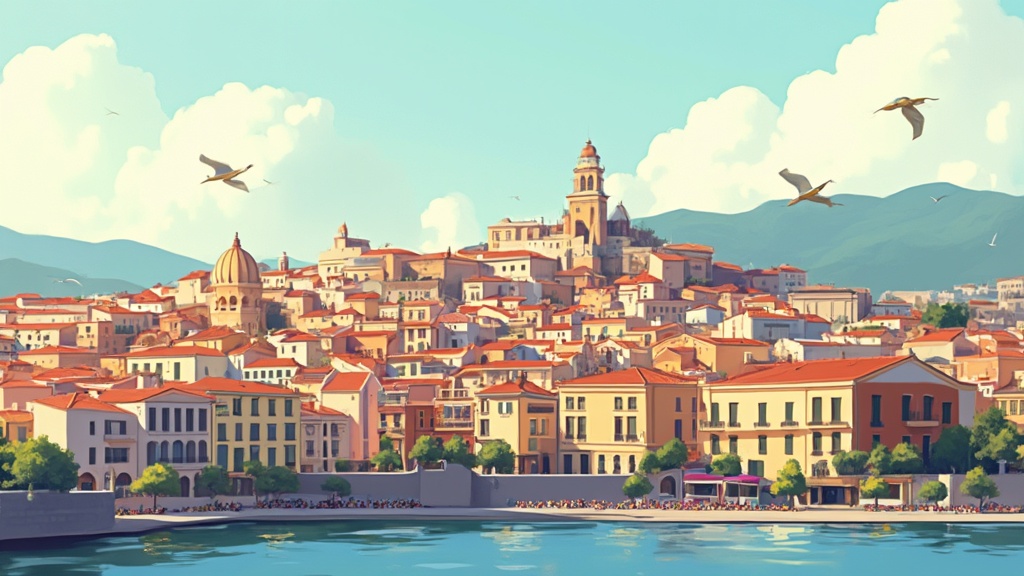
Just 10 kilometers northeast of Barcelona's chaos, Badalona offers something increasingly precious along the Costa Brava: a genuine Mediterranean beach town that hasn't surrendered its soul to mass tourism. This city of 220,000 maintains working-class Catalan character alongside Roman ruins, excellent beaches, and the kind of traditional restaurants where locals actually eat—not just places designed to separate tourists from their euros.
Badalona represents an intriguing alternative to overcrowded Barcelona. Same Mediterranean climate, similar beaches, fraction of the tourists, and metro connections that put you in the Gothic Quarter within 25 minutes. For travelers seeking authentic Catalan coastal life without fighting through cruise ship crowds, Badalona delivers something increasingly rare.
Why Visit Badalona?
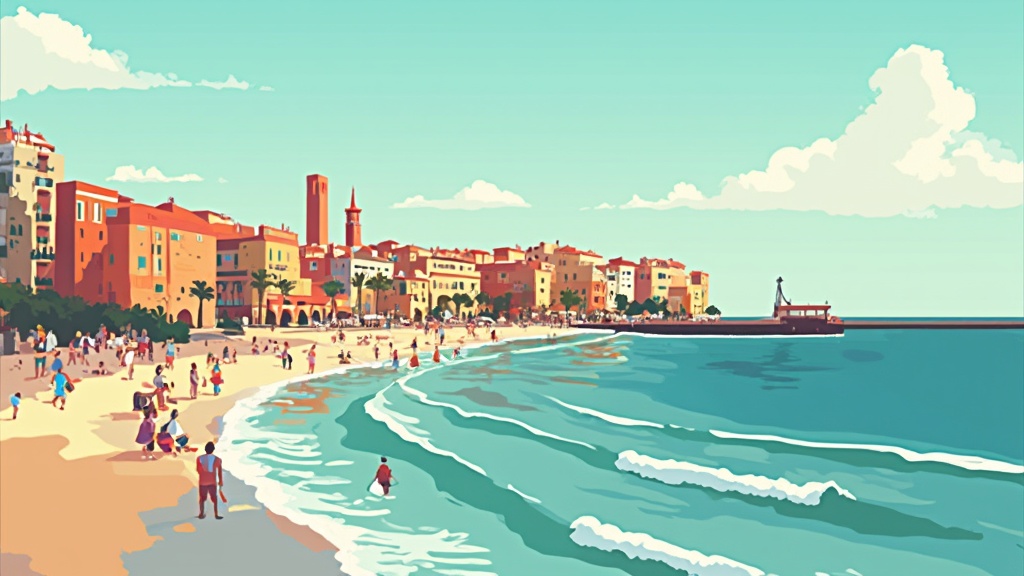
The case for Badalona centers on authenticity. While Barcelona's Barceloneta beach groans under the weight of selfie sticks and overpriced chiringuitos, Badalona's waterfront belongs to locals: grandmothers in bathing caps doing morning swims, families picnicking on blankets, teenagers playing beach volleyball until sunset.
Beyond beaches, Badalona harbors surprising depth. The Romans founded Baetulo here in the 1st century BC, leaving archaeological remains that rival more famous sites. The Anís del Mono liqueur factory has operated since 1870, becoming a local institution. The basketball team, known simply as Joventut, inspires passionate local support that provides windows into Catalan sporting culture.
Most compellingly, Badalona costs significantly less than Barcelona while providing easy access to all the capital offers. Budget-conscious travelers can base themselves here, enjoying beach time and local restaurants, then day-trip into Barcelona as desired.
Top Things to Do in Badalona
Beach Life
Badalona's 5-kilometer coastline offers varied beach experiences along a continuous seafront promenade.
Platja del Centre sits most conveniently near the town center and metro stations. Good facilities, lifeguards in summer, and multiple chiringuitos (beach bars) serving cold drinks and simple meals. The beach gets busy on summer weekends but never approaches Barcelona's crushing density.
Platja de la Mora extends northward with sandier stretches and slightly younger crowds. Beach volleyball courts and paddel tennis facilities attract sports enthusiasts.
Platja dels Pescadors at the old fishing port retains traditional character with wooden fishing boats pulled up on sand between uses. The adjacent restaurants serve the freshest catches.
Platja de Pont del Petroli features Badalona's most distinctive landmark: a narrow pier extending 250 meters into the Mediterranean, originally built for oil tanker access but now converted to a pedestrian walkway offering spectacular views back to the city and coast.
Roman Badalona
The Roman city of Baetulo flourished from the 1st century BC through the decline of empire, leaving archaeological remains that now form the Museu de Badalona. The museum displays artifacts from daily Roman life—amphorae, mosaics, household items—while preserving actual excavated streets and buildings in situ beneath glass floors.
The thermae (Roman baths) section reveals remarkably intact heated floors and plunge pools. Guided tours explain Roman bathing culture and engineering sophistication. For Roman history enthusiasts, this rivals more famous sites at a fraction of the crowds.
Outside the museum, traces of Roman Baetulo appear throughout the old town. The Taberna Romana restaurant actually incorporates preserved Roman walls into its dining room.
Anís del Mono Distillery
This anise liqueur has been produced in Badalona since 1870, becoming an icon of Spanish digestif culture. The distinctive bottle—designed to resemble a monkey—adorns bars throughout Spain. Factory tours (reservation required) explain the distillation process and company history, concluding with tastings.
The liqueur itself—sweet, potent, intensely anise-flavored—divides opinion, but its cultural significance in Catalonia is undeniable. Even non-drinkers appreciate the industrial heritage and art nouveau design elements throughout the facility.
Rambla de Badalona
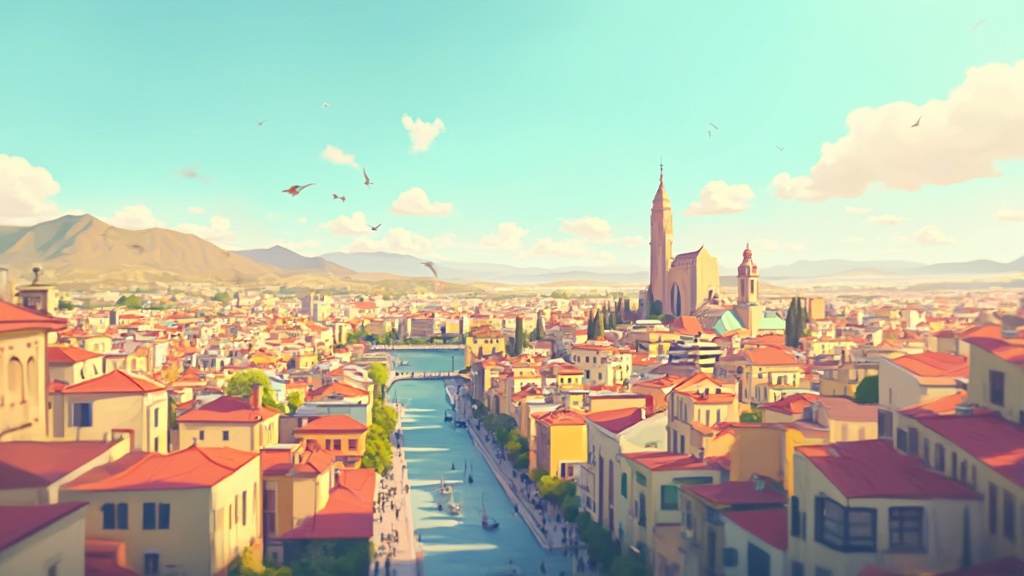
Like Barcelona's more famous Rambla, Badalona's main promenade serves as the town's communal living room. Tree-lined and pedestrianized, it runs from the Montigalà neighborhood toward the sea, passing shops, cafes, and the central market.
The Rambla comes alive for the evening paseo (stroll), when families, couples, and groups of friends parade in the cooling air. This Mediterranean tradition provides perfect people-watching and access to the town's commercial heart.
Hiking Serralada de Marina
The mountain range behind Badalona offers extensive hiking with Mediterranean views. The trail network connects through pine forests, past ruined medieval watchtowers, and up to viewpoints overlooking the entire Barcelona metropolitan coastline.
The most popular route climbs to the Ermita de Sant Jeroni de la Murtra, a monastery dating to 1416 where Christopher Columbus reportedly stayed while awaiting funding for his voyage. The building itself is privately owned but the surrounding trails and viewpoints are public.
Neighborhoods and Areas
Dalt de la Vila (Old Town)
The historic center clusters on slopes rising from the sea, maintaining narrow streets and traditional architecture. Here you'll find the oldest churches, the Roman museum, and local restaurants that haven't changed menus in decades. Plaça de la Vila serves as the main square, hosting markets and community events.
Gorg
A transformed industrial district now housing a major shopping center (Magic Badalona), cinema, and diverse restaurants. The transformation represents Badalona's evolution from manufacturing town to bedroom community, though the waterfront area maintains neighborhood character.
Montigalà
Primarily residential neighborhoods on higher ground, Montigalà offers good value accommodation and excellent access to the nature trails behind the city. Views from the upper streets span the entire metropolitan coastline.
El Port (Harbor Area)
The fishing port and yacht marina concentrate seafood restaurants and maritime atmosphere. Sunday mornings bring a fish market where local boats sell directly to the public. The breakwater provides excellent fishing spots and sunset strolls.
Where to Stay in Badalona
Budget Options
Badalona lacks the boutique hotel scene of Barcelona, but serviceable accommodations exist at significantly lower prices. Hotel Miramar provides basic beach-proximity rooms. Multiple apartment rentals on platforms offer better value for longer stays or families.
Mid-Range Recommendations
Hotel Marina and Hotel Marítim offer the best combination of location, facilities, and price. Both sit near the beach and train stations, with modern rooms and reasonable rates that would be impossible in Barcelona proper.
Barcelona Commuting Strategy
Many budget-conscious Barcelona visitors stay in Badalona, accepting the 25-minute metro commute in exchange for substantially lower accommodation costs. This works particularly well for beach-focused itineraries where spending significant time in Barcelona itself isn't the primary goal.
Food and Drink in Badalona
Seafood Restaurants
The port area concentrates Badalona's best seafood. Restaurant la Marineta serves simply-prepared fish from local boats—grilled, fried, or in traditional Catalan preparations. Restaurant El Llorer specializes in rice dishes: paella, arròs negre (black rice with squid ink), and fideuà (similar to paella but using short noodles instead of rice).
Prices run 30-50% below Barcelona equivalents for similar quality. Ordering the catch of the day ensures freshness; the waiter will often bring the raw fish for inspection before cooking.
Traditional Catalan Cooking
Can Bofill has served traditional Catalan cuisine since 1948, with dishes like escudella (meat and vegetable stew), botifarra amb mongetes (sausage with beans), and suquet de peix (fish stew). The unchanged interior and multi-generational staff provide time-capsule atmosphere.
La Taberna Romana combines acceptable food with genuinely fascinating setting—actual Roman walls incorporated into the dining room provide history alongside your patatas bravas.
Tapas and Casual Eating
Bar Can Manel anchors the local tapas scene with extensive small plate offerings and outdoor seating on a plaza. Bodega Duque specializes in vermut (vermouth) culture, with house-made versions served alongside tinned seafood and cured meats.
Beach Dining
The chiringuitos along Badalona's beaches serve adequate if unremarkable food—fried fish, simple grills, cold beers. Quality is secondary to location; these spots exist for post-swim refreshment rather than culinary destination.
Anís del Mono Experience
Any serious Badalona visit includes tasting the local liqueur. Order it digestivo-style at traditional bars after meals. The dry version (seco) suits most palates better than the intensely sweet standard preparation.
Getting to Badalona
From Barcelona Airport
The most direct route takes Metro L9 Sud from Terminal 1 or 2 to central Barcelona, then transfer to Rodalies (commuter rail) line R1 to Badalona station. Total journey approximately 60-75 minutes, cost around €5.
Alternatively, take the Aerobus to Plaça Catalunya, then walk to Passeig de Gràcia station for R1 trains. This route is faster but involves more walking with luggage.
From Central Barcelona
Multiple options connect Barcelona to Badalona:
Metro L2 terminates at Badalona Pompeu Fabra, most convenient for beach access.
Rodalies R1 provides frequent service from Passeig de Gràcia or Arc de Triomf to Badalona station, journey time 18-22 minutes.
Tram T5 connects Glòries in Barcelona to Badalona along the waterfront, offering scenic if slower transit with numerous stops.
Getting Around Badalona
The town is highly walkable, with most attractions within 20 minutes of each other on foot. Local buses extend to outer neighborhoods. The beachfront promenade provides the most pleasant walking route, extending the full 5-kilometer coastline.
Best Time to Visit Badalona
Summer (June-September)
Beach season draws the most visitors, though never approaching Barcelona's overwhelming numbers. August sees peak Spanish vacation crowds and hottest temperatures (occasionally exceeding 35°C). Sea temperatures reach swimmable comfort (23-26°C) from June through October.
The Festa Major de Badalona in late August features week-long celebrations including traditional gegants (giants) processions, correfocs (fire runs), and concerts.
Spring (April-May) and Autumn (October-November)
Ideal shoulder seasons offer pleasant temperatures (18-25°C), uncrowded beaches (though swimming requires cold tolerance), and full availability of restaurants and attractions. These months suit travelers combining beach relaxation with cultural exploration.
Winter (December-March)
Mild by Northern European standards (10-15°C typical), winter Badalona functions normally but without beach activities. Hotels offer lowest prices. Christmas markets and Three Kings celebrations provide festive atmosphere in January.
Practical Information
Money and Costs
Spain uses the euro. ATMs are readily available throughout Badalona. Credit cards accepted in restaurants and shops, though smaller bars may prefer cash.
Budget daily spending: €60-80 (accommodation in apartment, market lunch, restaurant dinner, transport) Mid-range daily spending: €120-150 (hotel, restaurants for all meals, activities, drinks)
Compared to Barcelona, expect savings of 30-50% on accommodation and 20-30% on dining.
Language
Catalan and Spanish are both official languages, with Catalan dominant in daily life. Basic Spanish suffices for all tourist interactions, though learning a few Catalan phrases (gràcies for thank you, sisplau for please) earns goodwill.
English is less universal than in central Barcelona, particularly in traditional restaurants and among older residents. Restaurant menus usually have Spanish translations if not English.
Safety
Badalona is generally safe, with lower tourist-targeting crime than Barcelona. Standard urban precautions apply: don't leave belongings unattended on the beach, stay aware of surroundings at night, don't flash expensive electronics.
Day Trips from Badalona
Barcelona
The obvious day trip—or ongoing excursion base. The metro/rail connections put major Barcelona attractions (Sagrada Familia, Gothic Quarter, Park Güell, Barceloneta) within 30-45 minutes.
Mataró
Continue up the coast 20 minutes by train to this larger town with similar beach character plus modernist architecture (Gaudí's first commissioned building is here).
Montserrat
The famous mountain monastery, reachable by combining train and rack railway, makes an excellent day trip from anywhere in the Barcelona area. Allow 6-8 hours for the round trip plus exploration.
Costa Brava
The dramatic coastline northward—rocky coves, clear water, picturesque villages—begins roughly an hour by car or train from Badalona. Tossa de Mar or Cadaqués make excellent day trips with a car.
Frequently Asked Questions
Is Badalona worth visiting, or should I just stay in Barcelona?
If you want authentic local atmosphere, lower prices, and genuine Mediterranean beach culture without tourist hordes, Badalona offers compelling value. It's not a substitute for Barcelona's major attractions—you'll still want to visit Sagrada Familia and the Gothic Quarter—but as an accommodation base or day trip destination, it provides something Barcelona increasingly cannot: normalcy.
How do Badalona's beaches compare to Barcelona's?
Similar Mediterranean character—calm water, sand (though sometimes coarser), summer lifeguards—but dramatically less crowded. Badalona's beaches belong to locals rather than tourists. Facilities are slightly less developed (fewer restaurants, simpler rental services) but adequate for beach days.
Can I get by with just English in Badalona?
You'll manage, but Spanish helps significantly. English proficiency is lower than in tourist-oriented Barcelona. Restaurant menus may be Catalan-only in traditional spots. Translation apps handle basic situations; a few Spanish phrases smooth interactions.
What's the public transit situation?
Excellent. Multiple metro and rail connections reach Barcelona in 20-30 minutes. Within Badalona, walking covers most tourist needs. The T-Casual card provides 10 journeys across all Barcelona-area transit modes at discounted rates.
Is there nightlife in Badalona?
Local bars and some clubs exist, but Badalona isn't a nightlife destination. Most visitors enjoy evening drinks at beach chiringuitos or traditional bars, then either sleep or take late trains into Barcelona for serious partying.
What's the food scene really like?
Excellent seafood at fair prices, solid traditional Catalan cooking, and authentic tapas bars that serve locals rather than tourists. Not a culinary destination per se, but genuine quality at prices Barcelona hasn't seen in years. The port-area seafood restaurants compete with anywhere on the Catalan coast.
Badalona won't make any "most beautiful cities in Spain" lists, and it doesn't pretend to offer Barcelona's cultural riches. What it provides is something more elusive: authentic Mediterranean coastal life, remarkable Roman history, and a functioning Catalan town that happens to welcome visitors while continuing its normal existence. In an era when popular destinations strain under tourist pressure, Badalona's ordinariness becomes its extraordinary appeal.