
Croatia Travel Guide: From Adriatic Jewels to Ancient Walled Cities
Croatia Travel Guide: From Adriatic Jewels to Ancient Walled Cities
Croatia has a way of looking almost too polished to be real. Medieval stone towns rise above bright blue harbors, ferries glide between pine-covered islands, and inland waterfalls spill through emerald lakes that barely look natural. Then you add Roman ruins, seafood-heavy meals, vineyard landscapes, and a coastline that seems designed specifically for long golden-hour walks.
For first-time visitors, Croatia is usually sold as a summer beach destination. That is true, but it is also incomplete. The country rewards travelers who combine the coast with history, island time with old towns, and famous stops like Dubrovnik with at least one slower stretch where the pace drops a little.
This guide covers where to go, when to visit, how to move around, what things cost, and how to plan a Croatia trip that feels scenic instead of stressful.
Why Visit Croatia?
Croatia works especially well for travelers who want a Europe trip with both culture and coastline.
Main reasons people love it:
- Beautiful Adriatic scenery with clear water, stone harbors, and island-hopping potential
- Historic towns packed with Roman, Venetian, and medieval layers
- Good route variety for city breaks, sailing trips, beach holidays, and road trips
- Strong food scene built around seafood, olive oil, grilled meats, wine, and regional specialties
- Compact feel compared with bigger European countries, which makes multi-stop trips easier
It is not the cheapest destination in Europe anymore, especially in peak summer, but the scenery-to-effort ratio is excellent.
Best Places to Visit in Croatia
Dubrovnik
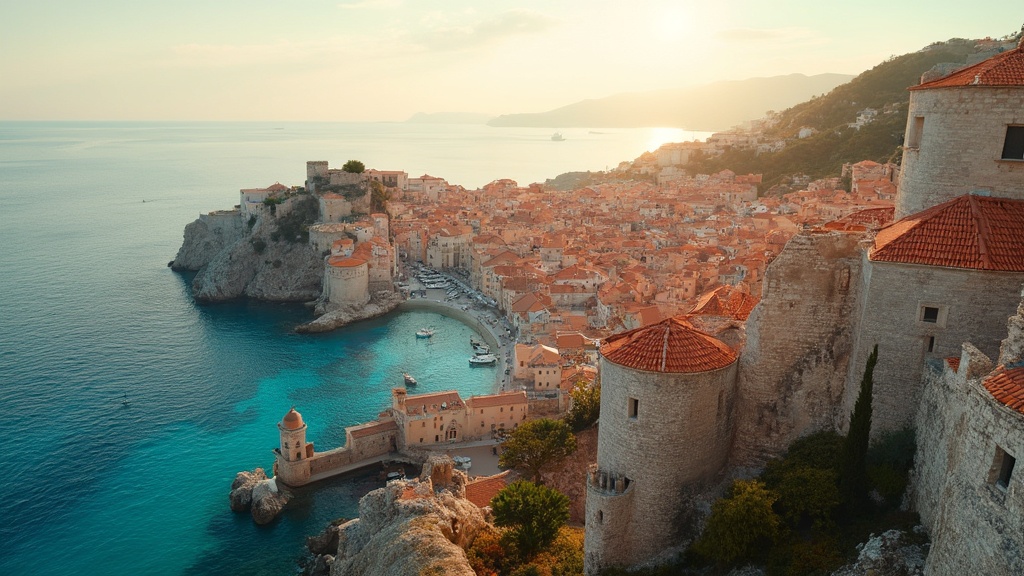
Dubrovnik is the headline destination, and yes, it is worth seeing at least once. The walled old town is genuinely dramatic, especially when you catch the stone streets early in the morning or near sunset after the cruise crowds thin out.
Best things to do:
- Walk the city walls for the classic rooftops-and-sea views
- Explore the marble lanes of the Old Town
- Ride the cable car for panoramic sunset views
- Take a boat to Lokrum Island for a calm half-day escape
- Use Dubrovnik as a base for coastal excursions and nearby beaches
A couple of honest notes:
- Dubrovnik is at its best outside the hottest midday hours
- Prices can feel inflated in peak season
- Two to three nights is usually enough unless you are combining it with beach time or day trips
Split
Split feels more lived-in than Dubrovnik. It has history, but it also has everyday city energy, a busy waterfront, and a more relaxed rhythm. The old center grows out of Diocletian's Palace, which means cafés, shops, and apartments sit inside Roman walls rather than around a fenced-off ruin.
Why Split works well:
- Excellent base for ferries and island trips
- More casual, less polished atmosphere than Dubrovnik
- Good mix of history, food, nightlife, and easy logistics
- Strong launch point for Hvar, Brač, and nearby coastal towns
Split is one of the smartest first stops in Croatia because it connects easily with so many other highlights.
Hvar
Hvar is famous for beach clubs and nightlife, but that is only part of the story. It is also one of the prettiest islands in the country, with lavender landscapes, elegant stone architecture, and beautiful sea views.
Go for:
- Long harbor-side dinners
- Boat trips to the Pakleni Islands
- Swimming in clear coves away from the main port
- Sunset views from the Spanish Fortress
- A mix of polished island energy and quieter inland villages
If you want island scenery without the party reputation, consider visiting outside peak party weeks or staying somewhere quieter on the island.
Brač
Brač makes sense for travelers who want island time with a calmer feel. It is best known for Zlatni Rat, one of Croatia's most photographed beaches, but the island is more than a single viewpoint.
Expect:
- Beach days and swimming stops
- Smaller-town atmosphere
- Easy access from Split
- Good active options like cycling, hiking, and water sports
Korčula
Korčula often becomes a favorite because it feels romantic without trying too hard. The old town is compact, elegant, and easy to enjoy at a slower pace.
Why people love it:
- Beautiful medieval core
- Less overwhelming than Dubrovnik
- Strong wine culture nearby
- Excellent seafood and relaxed evenings
If your Croatia trip includes only one island, Korčula is a very strong choice.
Plitvice Lakes National Park
Croatia is not only about the coast. Plitvice Lakes National Park is one of the country's great inland highlights, with boardwalks, forest scenery, and a chain of lakes linked by waterfalls.
A few practical truths:
- Go early if you want the best experience
- Summer crowds can be heavy
- Shoulder season is often much better for photos and walking comfort
- It works best as a stop between Zagreb and the coast or as part of a road trip
Zagreb
Croatia's capital is often skipped, which is a mistake if you enjoy café culture, local rhythm, and a city that feels more everyday than resort-oriented.
Why Zagreb is worth time:
- Austro-Hungarian character and broad city squares
- Lively café scene
- Good museums and local markets
- Easier, more affordable urban base than the coast in high season
You do not need a full week here, but one or two nights can make a trip feel more rounded.
Istria
If your ideal Croatia trip involves hill towns, truffles, olive oil, wine, and a slightly Italian feel, head to Istria. Rovinj is the star for many travelers, but the whole region is rewarding.
Best for:
- Food-focused travel
- Slower road trips
- Coastal towns without the same intensity as Dubrovnik
- Inland villages and vineyard landscapes
Istria is especially good for repeat visitors or anyone who prefers atmosphere over box-ticking.
Best Time to Visit Croatia
Summer - June to August
This is peak season and the classic time for Croatia.
Best for:
- Island hopping
- Swimming and beach days
- Ferries running at full strength
- Long daylight hours and lively coastal towns
Watch out for:
- Higher prices
- Crowds in Dubrovnik, Split, and Hvar
- Hot temperatures, especially on exposed stone streets
Shoulder Season - May and September
For many travelers, this is the sweet spot.
Best for:
- Warm weather without peak chaos
- Better hotel value
- More pleasant sightseeing in old towns
- Easier national park visits
September is particularly strong if you want sea-friendly weather with fewer crowds.
Spring and Autumn - April and October
These months work well if your trip is more about culture, food, and road-tripping than swimming.
Best for:
- Zagreb and inland stops
- Istria food trips
- Lower accommodation costs
- National parks with a calmer atmosphere
Winter - November to March
Winter is the quietest time and not ideal for a classic island-and-beach itinerary, but it can still suit city breaks and local travel.
Best for:
- Zagreb holiday markets
- Lower prices in cities
- Travelers who care more about culture than swimming
How to Get Around Croatia
Croatia is manageable, but transport planning matters more than people expect.
Ferries
Ferries are essential if your route includes islands. They are scenic and often one of the highlights of the trip.
Good ferry-based connections include:
- Split to Hvar
- Split to Brač
- Dubrovnik to Korčula
- Mainland to a range of Adriatic islands
Book ahead in summer, especially if you are traveling with a car.
Buses
Buses are the backbone of Croatia's intercity travel and are often the easiest option between coastal towns.
They work well for:
- Dubrovnik to Split
- Zagreb to Plitvice
- Zagreb to coastal cities
They are usually practical, but summer traffic can stretch travel times.
Car Rental
A car is a great idea if you want flexibility, especially for Istria, inland Croatia, or a route with smaller stops and scenic detours.
A car makes the most sense when:
- You want to explore villages and viewpoints outside major hubs
- You are building a road trip around Istria or Plitvice
- You want more control over pace
It makes less sense inside old coastal towns where parking can be annoying and expensive.
Flights
Domestic flights exist, but most travelers do not need them unless time is extremely tight. Croatia is better experienced by combining buses, ferries, and selective driving.
What to Eat in Croatia
Croatian food varies by region, which is part of the fun.
Things worth seeking out:
- Black risotto on the coast
- Grilled fish and octopus in seaside towns
- Peka, a slow-cooked meat or seafood dish prepared under a bell-like lid
- Ćevapi for a Balkan-style grilled meat classic
- Truffles in Istria
- Fresh olive oil and local cheeses
- Burek as a quick snack
- Dalmatian wines and Istrian wines for regional pairings
A useful rule: coastal Croatia leans seafood and Mediterranean, while inland areas feel heartier and more Central European or Balkan in style.
How Expensive Is Croatia?
Croatia can swing from reasonable to expensive depending on season and route.
Budget travelers
Expect roughly €65 to €110 per day if you stay in hostels or simple guesthouses, use buses, and keep restaurants casual.
Mid-range travelers
Expect around €140 to €240 per day for comfortable hotels, a few ferry rides, restaurant meals, and some paid sightseeing.
Higher-end trips
Costs rise fast in Dubrovnik, Hvar, and peak-summer waterfront stays. Sailing trips, boutique hotels, and private transfers can push budgets up quickly.
Money-saving tips
- Travel in May, June, or September instead of peak late summer
- Stay a little outside the most famous old-town cores
- Use Split as a practical base for part of the trip
- Book ferries and accommodation early for summer travel
- Mix high-cost island nights with cheaper mainland stops
A Smart First-Timer Croatia Itinerary
7 to 8 days
Split (3 days) -> Hvar or Brač (2 days) -> Dubrovnik (2 to 3 days)
Why it works:
- Covers the biggest Adriatic highlights
- Balances city history with island scenery
- Keeps logistics fairly simple
10 to 12 days
Zagreb (1 to 2 days) -> Plitvice Lakes (1 day or overnight) -> Split (3 days) -> island stop (2 to 3 days) -> Dubrovnik (2 to 3 days)
Why it works:
- Adds inland contrast
- Feels more complete than a coast-only sprint
- Gives you a better sense of Croatia beyond the postcard coastline
Food and slower-travel route
Zagreb -> Istria -> Plitvice -> Split
This works especially well if you care more about food, road trips, and atmosphere than beach-club energy.
Practical Croatia Travel Tips
- Book summer ferries and hotels early because the best options disappear fast.
- Start sightseeing early in Dubrovnik and Plitvice if you want better light and fewer people.
- Pack water shoes if you are used to sandy beaches. Many Croatian beaches are pebbly or rocky.
- Carry some cash for smaller cafes, parking, or local purchases, even though cards are widely accepted.
- Do not overpack the itinerary. Island logistics and summer heat can make short hops feel bigger than they look on the map.
- Use sun protection seriously. Coastal sun plus stone reflection can be intense.
Final Thoughts
Croatia is one of those destinations that can easily become too rushed if you treat it like a checklist of walled towns and ferry tickets. It works much better when you slow the route down a little.
Pick a few excellent bases. Leave space for a late lunch by the water. Take one slower ferry instead of optimizing every minute. Watch the old stone streets change color around sunset. Croatia is not just about ticking off Dubrovnik or posting island photos. The real magic is in the rhythm of the place - sea, stone, shade, coffee, then another swim.
If you plan with a little restraint, Croatia feels effortless in the best possible way.
Related Posts
Paris Travel Guide: Ultimate Guide to the City of Light
Discover the best of Paris with our comprehensive guide covering top attractions, food, neighborhoods, day trips, and essential tips for an unforgettable trip to the City of Light.
Complete France Travel Guide: Paris, Provence, the Riviera and Beyond
Planning a trip to France? This complete guide covers the best places to visit, how to get around, when to go, what to eat, and a simple itinerary for first-time travelers.
South Korea Travel Guide: From K-Culture to Ancient Kingdoms
Explore South Korea's vibrant pop culture, historic sites, and breathtaking landscapes in this comprehensive guide.