
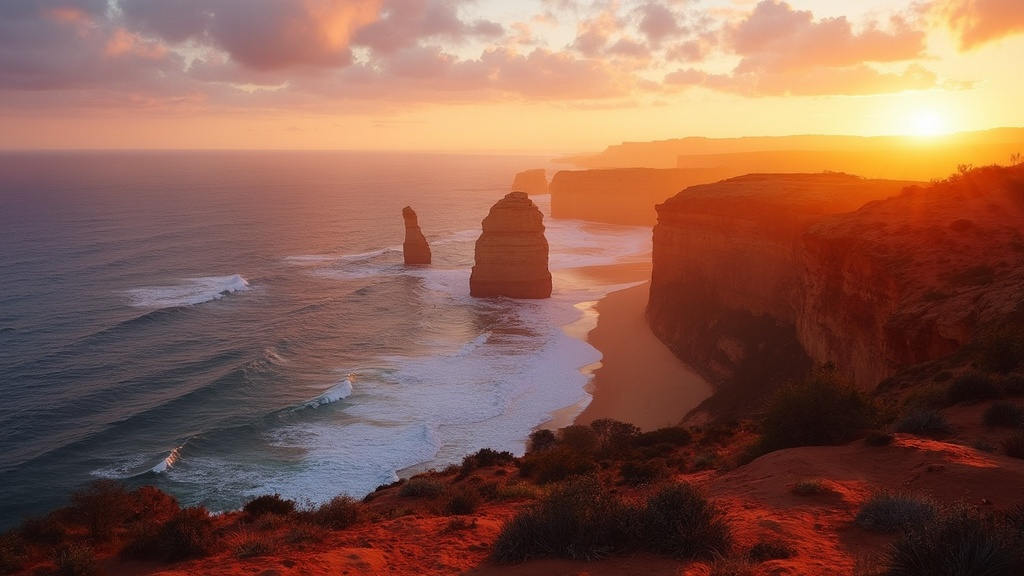
Australia Travel Guide: From Coastal Cities to Outback Wonders
Australia feels enormous because it is enormous. Distances are real, landscapes change dramatically, and no single trip can cover everything without turning into an airport marathon. That is part of the appeal. One journey might be all about coastal cities, beaches, and café culture. Another might focus on reefs, rainforests, road trips, and wide-open outback scenery.
For first-time visitors, the trick is not trying to do all of Australia at once. Pick a region or combine two that make sense, move at a sane pace, and leave room for the long beach walks, wildlife encounters, and scenic drives that make the country memorable.
This guide breaks down where to go, when to visit, how to get around, what things cost, and how to plan a trip that actually feels enjoyable instead of overstuffed.
Why Visit Australia?
Australia delivers a rare combination of urban comfort and wild nature. You can spend the morning in a polished city neighborhood with excellent coffee, then end the day watching sunset over cliffs, desert, or ocean.
Main reasons travelers love it:
- Variety: cosmopolitan cities, surf beaches, tropical reefs, ancient rainforests, wine regions, and dramatic desert landscapes
- Wildlife: kangaroos, koalas, wombats, wallabies, colorful birdlife, and marine life from whale sharks to sea turtles
- Road trip potential: some of the world's best coastal and open-road journeys
- Outdoor lifestyle: hiking, snorkeling, surfing, beach culture, and national parks are deeply woven into daily life
- Easy travel standards: reliable infrastructure, high food safety, good public services, and a very traveler-friendly setup
Australia is not a cheap destination, but it rewards good planning. If you build the route carefully, the experience feels spacious, scenic, and surprisingly smooth.
Best Places to Visit in Australia
Sydney
Sydney is the classic first stop and for good reason. It has the icons, but it also has real neighborhood character. The harbour is genuinely spectacular, and the city balances urban energy with beach access better than almost anywhere.
Top experiences:
- Walk around Circular Quay for views of the Opera House and Harbour Bridge
- Spend an afternoon at Bondi Beach, then do the Bondi to Coogee coastal walk
- Take a ferry to Manly for a simple, scenic day trip
- Explore neighborhoods like Surry Hills, Newtown, and Paddington for food and café culture
- Visit the Blue Mountains if you want an easy nature break from the city
Give Sydney at least 3 to 4 full days if it is your first trip.
Melbourne
Melbourne is often the favorite for travelers who care more about atmosphere than landmarks. It is creative, food-driven, slightly moodier than Sydney, and excellent for slow exploration.
Why people love it:
- Laneway cafés, bars, and street art
- Strong food scene with serious depth
- Easy tram network
- Good museums and sports culture
- Access to great day trips and road trips
Best nearby excursions include the Great Ocean Road, Yarra Valley wineries, and Phillip Island for penguin viewing.
Great Barrier Reef and Tropical Queensland
If reefs, islands, and warm-weather scenery are the priority, head north. Cairns is the main gateway for the Great Barrier Reef and the Daintree Rainforest, while the Whitsundays are better for sailing and white-sand island beauty.
Best for:
- Snorkeling and diving
- Reef cruises and island trips
- Tropical landscapes
- Combining rainforest and sea on one leg of a trip
A few notes:
- Cairns is practical rather than glamorous, but it works well as a base
- The reef experience depends heavily on weather and operator quality, so choose tours carefully
- Stinger season affects some northern beaches in warmer months
Brisbane and the Gold Coast
Brisbane has become much more compelling in recent years. It is warm, laid-back, and works well as a gateway to southeast Queensland. Nearby, the Gold Coast offers long beaches, surf, high-rise resort energy, and easy family-friendly travel.
This area suits travelers who want:
- Sunshine and beach time
- A lower-pressure city stop
- Easy side trips to Byron Bay, Noosa, or hinterland towns
Tasmania
Tasmania is the answer if you want Australia with cooler weather, dramatic landscapes, and a slightly wilder edge. It feels different from the mainland in the best way.
Go for:
- Excellent hiking and national parks
- Cradle Mountain scenery
- Wildlife and clean air
- Food, wine, and produce-driven travel
- Historic character in Hobart and smaller towns
Tasmania works especially well for repeat visitors or first-timers who prefer nature over city-hopping.
Uluru and the Red Centre
The outback is not a side note. It is one of Australia's most powerful travel experiences. Uluru, especially at sunrise and sunset, has a scale and presence that photos flatten.
What makes this region special:
- Uluru and Kata Tjuta landscapes
- Strong cultural significance connected to Anangu custodians
- Big desert skies and a true sense of space
- Memorable guided walks and storytelling experiences
If you go, do it respectfully and give yourself time to learn the cultural context, not just snap pictures and move on.
Western Australia
Western Australia can be fantastic, but it makes the most sense if you have extra time. Perth is pleasant and easygoing, but the real draw is the surrounding region.
Highlights include:
- Rottnest Island and its famously photogenic quokkas
- Margaret River for wineries, surf, and food
- Ningaloo Reef for marine life and a less famous reef experience than the east coast
- Long, rugged road trips with fewer crowds
Best Time to Visit Australia
Australia is a year-round destination, but seasonality matters because the country is so large.
Summer - December to February
This is peak season in many southern destinations.
Best for:
- Sydney and Melbourne city-beach combos
- Tasmania road trips
- Holiday atmosphere and festivals
Watch out for:
- Higher prices
- School holiday crowds
- Heat waves and bushfire risk in some regions
Autumn - March to May
One of the best overall windows for a first trip.
Best for:
- Southern cities with milder weather
- Road trips without extreme heat
- Wine regions and general sightseeing
This is a very good season if you want balance without peak-summer chaos.
Winter - June to August
Winter is excellent for the north and red centre.
Best for:
- Cairns and tropical Queensland
- Uluru and central Australia
- Whale watching in some coastal regions
Southern cities stay very visitable, but the beach vibe is obviously weaker.
Spring - September to November
Another strong choice for first-timers.
Best for:
- Sydney and Melbourne
- Wildflowers in some regions
- Shoulder-season value
- Comfortable sightseeing conditions across many parts of the country
How to Get Around Australia
Australia is not a country where you casually improvise giant overland jumps. Distances are huge, so transport decisions shape the whole trip.
Domestic Flights
For most itineraries, flights are essential. They save time and let you combine regions that would otherwise be impractical.
Flights make sense for:
- Sydney to Cairns
- Melbourne to Uluru
- Brisbane to Hobart
- Perth to almost anywhere on the east coast
Budget airlines can help, but check baggage rules carefully.
Car Rental
Renting a car is great when you're exploring a region rather than jumping across the whole country.
Good road trip areas:
- Great Ocean Road
- Tasmania
- Margaret River region
- Sunshine Coast and hinterland
- Parts of New South Wales and Victoria
For remote drives, do not underestimate fuel gaps, heat, and coverage issues.
Public Transport
Within major cities, public transport is generally easy to use.
- Sydney: trains, ferries, buses, light rail
- Melbourne: trams are a huge plus
- Brisbane: buses, trains, and river ferries
Long-distance rail exists, but it is more about the experience than speed.
How Expensive Is Australia?
Australia tends to be expensive compared with much of Asia and parts of Europe, but it is manageable if you prioritize well.
Budget travelers
Expect roughly AUD 100 to 160 per day if you stay in hostels, use public transport, mix in supermarket meals, and keep paid tours limited.
Mid-range travelers
Expect around AUD 220 to 350 per day for decent hotels, some domestic flights, restaurant meals, and a few organized experiences.
Higher-end trips
Costs rise fast once you add boutique stays, reef cruises, internal flights, car rental, or remote-luxury lodges.
Money-saving tips
- Book domestic flights early
- Use supermarket chains like Coles and Woolworths for snacks and simple meals
- Stay longer in fewer places instead of chasing the whole map
- Mix expensive activities like reef trips with free days focused on beaches, walks, and viewpoints
- Travel in shoulder season for better accommodation value
What to Eat in Australia
Australian food culture is more interesting than many first-time visitors expect. It is shaped by migration, regional produce, and strong café culture.
Things worth seeking out:
- Flat white - yes, the coffee reputation is real
- Brunch culture - Australia takes breakfast and café food seriously
- Fresh seafood - especially in coastal cities
- Meat pies - a classic quick bite
- Barramundi - one of the standout fish to try
- Fish and chips at the beach - simple, obvious, still worth it
- Modern Asian-influenced dining - especially in Sydney and Melbourne
- Local wine - Margaret River, Barossa Valley, Yarra Valley, and Tasmania all have strong reputations
If you're interested in Indigenous food experiences, look for respectful tours or restaurants that highlight native ingredients and proper cultural context.
A Smart First-Timer Itinerary
If you have around two weeks, this is a strong first route:
Option 1 - Classic East Coast Sampler
Sydney (4 days) -> Melbourne (3 days) -> Cairns or Port Douglas (4 days) -> Brisbane or Gold Coast (3 days)
Why it works:
- Covers the country's best-known city experiences
- Adds reef or tropical scenery
- Keeps logistics relatively simple with flights
Option 2 - Cities and the Outback
Sydney (4 days) -> Melbourne (3 days) -> Uluru (2 to 3 days) -> Cairns (4 days)
Why it works:
- Gives you a more dramatic contrast between urban Australia and the outback
- Includes one of the country's most memorable landscapes
- Still leaves room for reef or rainforest experiences
Option 3 - Slower Trip
Sydney (5 days) -> road trip or train segment nearby -> Melbourne (4 days) -> Tasmania (5 days)
Why it works:
- Less airport hopping
- More time to actually enjoy each stop
- Great for travelers who prefer scenery, food, and pace over box-ticking
Practical Travel Tips for Australia
- ETA or visa: check entry rules early because many travelers need an electronic authorization before departure
- Sun exposure: the UV can be brutal, even on cooler days. Sunscreen, hats, and hydration are not optional
- Swimming safety: always respect local beach flags and lifeguard guidance
- Driving: Australians drive on the left
- Distances: what looks close on the map may still take hours
- Connectivity: urban coverage is easy, remote coverage is not
- Tipping: not expected in the same way as the US, though appreciated for great service
- Wildlife: enjoy it, but do not treat wild animals like props for photos
Final Thoughts
Australia works best when you resist the urge to conquer it. This is a place to experience in sections. Build around a few excellent stops, accept that you will not see everything, and let the trip breathe a little.
For many travelers, the surprise is not just the scenery. It is the rhythm. Mornings start with very good coffee, afternoons drift toward beaches or walks, and even major cities feel more connected to nature than you expect.
If you plan with distance, season, and pacing in mind, Australia can be one of the most rewarding long-haul trips you ever take.
Related Posts

South Korea Travel Guide: From K-Culture to Ancient Kingdoms
Explore South Korea's vibrant pop culture, historic sites, and breathtaking landscapes in this comprehensive guide.

Paris Travel Guide: Ultimate Guide to the City of Light
Discover the best of Paris with our comprehensive guide covering top attractions, food, neighborhoods, day trips, and essential tips for an unforgettable trip to the City of Light.

Croatia Travel Guide: From Adriatic Jewels to Ancient Walled Cities
Planning a trip to Croatia? This guide covers the best places to visit, when to go, how to get around, what to eat, and how to build a smooth first itinerary.