
Vietnam Travel Guide: From Lantern-Lit Alleys to Limestone Bays
Vietnam Travel Guide: From Lantern-Lit Alleys to Limestone Bays
Vietnam is one of those rare countries that feels cinematic at every turn. One day you're sipping egg coffee in Hanoi while scooters stream past French colonial buildings. A few days later you're cruising between limestone karsts in Ha Long Bay, wandering lantern-lit streets in Hoi An, or eating a bowl of pho so good it quietly ruins every future bowl back home.
Stretching from the mountains near China to the tropical waterways of the Mekong Delta, Vietnam packs a staggering amount of variety into one long, beautifully chaotic country. It can be fast, loud, fragrant, deeply historic, and incredibly peaceful, sometimes all in the same afternoon.
If you're planning your first trip, this guide covers when to go, where to visit, what to eat, how to get around, and how to make the most of one of Southeast Asia's most rewarding destinations.
Why Visit Vietnam?
Vietnam works for almost every kind of traveler.
- Culture lovers get imperial cities, pagodas, temples, museums, and centuries of layered history.
- Food lovers get some of the most fresh, balanced, and addictive cuisine on the planet.
- Nature lovers get mountains, rice terraces, caves, beaches, islands, and river deltas.
- Budget travelers get incredible value compared to many other global destinations.
- Adventure seekers get motorbike loops, cave expeditions, trekking routes, and coastal train rides.
What really makes Vietnam special, though, is the contrast. Ancient traditions sit next to rapid modern growth. Tiny alleyway kitchens thrive beneath neon signs and high-rise skylines. It's a country that feels very alive.
Best Time to Visit Vietnam
Because Vietnam stretches such a long distance from north to south, weather varies a lot by region.
Overall Best Time
February to April and October to November are usually the safest bets for a multi-stop trip.
- Pleasant temperatures in many regions
- Less extreme humidity than peak summer
- Good conditions for city exploring and scenic travel
- Better balance between weather and crowds
North Vietnam
Includes Hanoi, Ha Long Bay, Ninh Binh, Sapa, and Ha Giang.
Best time: October to April
- Cooler temperatures
- Lower humidity
- Great for walking, trekking, and sightseeing
Watch for:
- December and January can get surprisingly chilly in the north
- Summer brings heat, humidity, and occasional heavy rain
Central Vietnam
Includes Hue, Da Nang, Hoi An, and Phong Nha.
Best time: February to August
- Warm and sunny beach weather
- Great for coastal travel and historic sightseeing
Watch for:
- October to December can be rainy and storm-prone
South Vietnam
Includes Ho Chi Minh City, the Mekong Delta, and Phu Quoc.
Best time: December to April
- Dry season with lots of sunshine
- Easier travel conditions for cities and islands
Watch for:
- May to November is wetter, though showers are often short and intense rather than all-day washouts
Top Places to Visit in Vietnam
Hanoi
Vietnam's capital has character for days. It's busy, messy, elegant, and endlessly interesting. The Old Quarter is the city's beating heart, where narrow streets carry the names of old trades and scooters flow like water.
Don't miss:
- Hoan Kiem Lake for early-morning walks and people-watching
- Old Quarter for street food, cafes, and controlled chaos
- Temple of Literature for a quieter, more reflective side of the city
- Ho Chi Minh Mausoleum complex for historical context
- Train Street if open and safely accessible
What to try:
- Egg coffee
- Pho bo
- Bun cha
- Fresh spring rolls
Hanoi is also the perfect launch point for northern adventures.
Ha Long Bay and Lan Ha Bay
The famous limestone towers rising from emerald water are every bit as beautiful as the photos suggest. Yes, it's popular. Yes, it can be touristy. It's still worth it if you choose well.
Best way to visit:
- Take a well-reviewed overnight cruise if budget allows
- Consider Lan Ha Bay for a slightly calmer alternative with similar scenery
- Kayaking and sunrise deck views are usually the highlights
If you prefer land over cruises, Ninh Binh offers a similar karst landscape with rice fields, rivers, and temples.
Ninh Binh
Often called "Ha Long Bay on land," Ninh Binh is one of Vietnam's most rewarding stops. It's quieter than the big cities, deeply scenic, and easy to love.
Highlights:
- Boat rides through Trang An or Tam Coc
- Panoramic views from Hang Mua Viewpoint
- Ancient capital history at Hoa Lu
- Easy cycling through rice paddies and village roads
If your trip is short and you have to choose between Ha Long Bay and Ninh Binh, plenty of travelers end up liking Ninh Binh even more.
Sapa and Ha Giang
For mountain landscapes, rice terraces, and a cooler northern atmosphere, head toward Vietnam's highlands.
Sapa is better known and easier to reach. It's good for trekking, village stays, and dramatic views.
Ha Giang is wilder and more adventurous, especially for the famous Ha Giang Loop, one of Southeast Asia's most spectacular road trips.
Good to know:
- Trekking conditions are best in spring and autumn
- Mountain weather changes quickly
- If you're not an experienced rider, book an easy-rider motorbike tour rather than doing the loop solo
Hue
Hue was once Vietnam's imperial capital, and it still carries that weight of history. The mood here is calmer than Hanoi or Ho Chi Minh City, making it a great place to slow down.
Must-sees:
- Imperial City (Citadel)
- Royal tombs outside the center
- Perfume River boat rides
- Local dishes like bun bo Hue
History lovers should give Hue more time than they think they need.
Da Nang
Da Nang is often used as a transit hub, but it deserves more than that. It's one of Vietnam's easiest cities for a relaxed stay, with beaches, modern cafes, and a great base for day trips.
Why stay here:
- Long stretch of beach
- Easy airport access
- Good hotel value
- Quick access to Hoi An, Hue, and the Marble Mountains
Hoi An
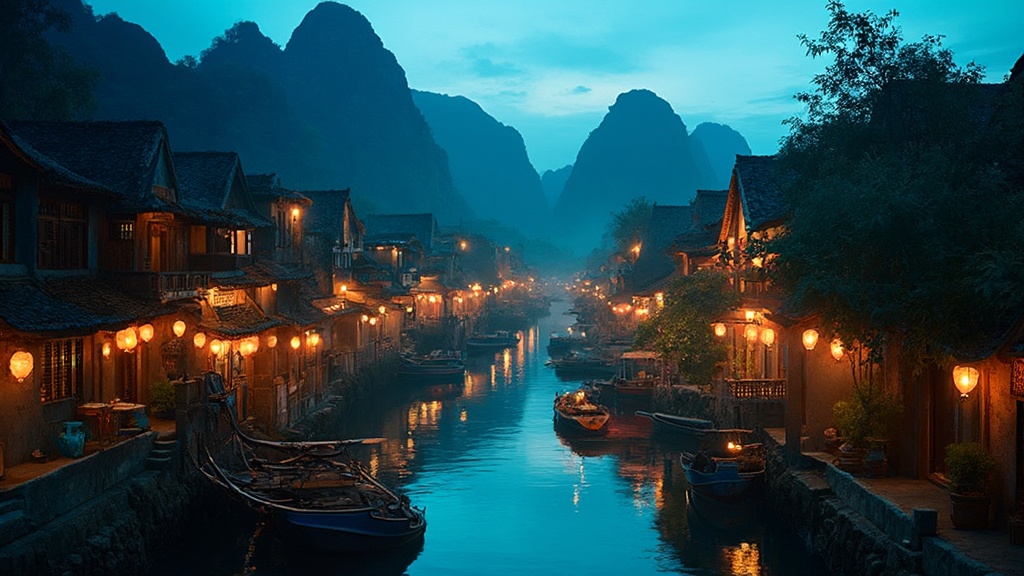
Hoi An is charming in a way that somehow survives its popularity. The old town glows at night with lanterns, riverside restaurants spill warm light onto the water, and tailor shops sit beside heritage houses and hidden courtyards.
Best experiences:
- Wandering the Ancient Town at dusk
- Taking a cooking class
- Cycling into the rice fields
- Visiting An Bang Beach
- Getting custom clothes made, if that's your thing
Hoi An can feel polished compared to some other Vietnamese destinations, but it's still magical when you catch it in the early morning or after a light rain.
Phong Nha-Ke Bang National Park
This is Vietnam for adventure travelers. Phong Nha is famous for cave systems, jungle landscapes, and some of the most impressive underground worlds anywhere in Asia.
Highlights:
- Paradise Cave
- Phong Nha Cave
- Multi-day expeditions for serious adventurers
- Access to Son Doong, the world's largest cave, for those who book far ahead and have the budget
Even without the extreme expeditions, the area is stunning and worth the detour.
Ho Chi Minh City
Still called Saigon by many locals, Ho Chi Minh City feels faster, hotter, and more commercially charged than Hanoi. It's energetic and modern, with rooftop bars, creative dining, historic landmarks, and nonstop traffic.
Don't miss:
- War Remnants Museum
- Independence Palace
- Notre-Dame Cathedral area and Central Post Office
- Ben Thanh Market
- Rooftop views at sunset
This is also the place to dive into southern flavors, from broken rice plates to banh mi and seafood.
Mekong Delta
For a slower, more local-feeling side of southern Vietnam, head into the Mekong Delta. Life here revolves around rivers, canals, boats, farms, and floating commerce.
Best experiences:
- Boat trips through narrow canals
- Floating markets
- Fruit orchards and riverside homestays
- Cycling through villages and farmland
An overnight stay is much more rewarding than a rushed day trip.
Phu Quoc
If you want beach time at the end of a Vietnam itinerary, Phu Quoc is an easy choice.
Good for:
- Resort stays
- Sunset beaches
- Seafood dinners
- A soft landing before flying home
It's more developed than many travelers expect, so go for comfort rather than castaway fantasy.
What to Eat in Vietnam
Vietnamese food is one of the country's biggest reasons to visit. It's fresh, herb-heavy, balanced, and full of regional personality.
Dishes to Try
- Pho - Vietnam's iconic noodle soup, especially beloved in the north
- Banh mi - Crisp baguette sandwiches with layered fillings and herbs
- Bun cha - Grilled pork with noodles, herbs, and dipping sauce
- Bun bo Hue - Rich, spicy noodle soup from Hue
- Cao lau - Hoi An's signature noodle dish
- Com tam - Broken rice, usually served with grilled pork
- Goi cuon - Fresh spring rolls
- Cha ca - Turmeric fish with dill, a Hanoi specialty
- Vietnamese coffee - Strong, sweet, and dangerous if you're caffeine-sensitive
Food Tips
- Busy stalls with high turnover are usually your friend
- Don't judge a place by plastic stools
- Regional differences matter - the same dish can taste very different north to south
- Join a street food tour early in your trip to build confidence
How to Get Around Vietnam
Vietnam is long and narrow, so transport choices matter.
Domestic Flights
Best for saving time between major regions.
Useful routes include:
- Hanoi to Da Nang
- Da Nang to Ho Chi Minh City
- Hanoi to Ho Chi Minh City
Flights are usually affordable if booked in advance.
Trains
Vietnam's rail network is scenic and memorable, especially the central coast.
Great for:
- Travelers who enjoy the journey itself
- Coastal stretches with beautiful views
- Overnight travel between major cities
The train from Hue to Da Nang is especially famous for its scenery.
Buses and Sleeper Buses
A cheap and common option for longer distances.
Pros:
- Budget-friendly
- Wide route network
- Overnight options save time and accommodation cost
Cons:
- Comfort can vary a lot
- Timing is sometimes optimistic, let's say
Private Drivers and Day Transfers
Useful for routes like:
- Hue to Hoi An via Hai Van Pass
- Day trips from Da Nang or Hoi An
- Flexible sightseeing stops along the way
Ride Apps
Grab is extremely useful in Vietnamese cities for both cars and motorbikes. It saves you from awkward negotiation and usually makes transport easier.
Budget Guide
Vietnam can be done cheaply, but it also scales up nicely if you want comfort.
Budget Travel
Around $25-45 per day
- Hostel or simple guesthouse
- Street food and local restaurants
- Buses, trains, and budget transport
- Mostly self-guided sightseeing
Mid-Range Travel
Around $50-120 per day
- Comfortable hotels or boutique stays
- Mix of local food and nicer restaurants
- Domestic flights between regions
- Guided day tours and better cruise options
Higher-End Travel
$150+ per day
- Stylish hotels and resorts
- Premium cruises and private transfers
- Fine dining and curated tours
- Excellent value compared to many other luxury destinations
Sample Vietnam Itineraries
10-Day First Trip
- Days 1-3: Hanoi
- Days 4-5: Ha Long Bay or Ninh Binh
- Days 6-7: Hoi An and Da Nang
- Day 8: Hue or extra Hoi An time
- Days 9-10: Ho Chi Minh City
This is fast, but it gives you a strong first taste of the country.
2-Week Vietnam Itinerary
- Days 1-3: Hanoi
- Days 4-5: Ninh Binh
- Days 6-7: Ha Long Bay or Lan Ha Bay
- Days 8-10: Hue, Da Nang, and Hoi An
- Days 11-13: Ho Chi Minh City
- Day 14: Mekong Delta or departure buffer
3-Week Vietnam Itinerary
Add some of the following:
- Sapa
- Ha Giang
- Phong Nha
- Phu Quoc
- Extra beach or mountain time
Vietnam rewards slower travel. If you try to do too much, it can become a blur of transport days.
Essential Travel Tips for Vietnam
Cash and Payments
- Vietnam's currency is the Vietnamese dong (VND)
- Cash is still useful, especially outside big hotels and upscale restaurants
- ATMs are common in cities and tourist centers
- Keep an eye on zeros when paying - amounts can look dramatic if you're not used to dong
Connectivity
- Buy a local SIM or eSIM for easy navigation and ride apps
- Mobile data is usually affordable and reliable in most traveler routes
Safety
Vietnam is generally very safe for travelers, but use normal city awareness.
Watch for:
- Petty theft in crowded areas
- Phone snatching near roadsides
- Traffic chaos when crossing streets
The trick to crossing busy roads is calm, steady movement. Hesitation is worse than commitment.
Cultural Etiquette
- Dress more modestly at temples and pagodas
- Remove shoes where expected
- Be respectful at war memorials and historical sites
- Ask before photographing people up close
- Learn a few basic phrases - locals appreciate the effort
A Few Useful Vietnamese Phrases
- Xin chao - Hello
- Cam on - Thank you
- Bao nhieu? - How much?
- Ngon qua - Very delicious
- Tam biet - Goodbye
Final Thoughts
Vietnam is not a place to rush past. The country deserves curiosity and a little patience. Sit down for coffee. Take the slower train once. Wake up early for the market. Stay overnight somewhere that most people only visit on a day trip. Let the place breathe a bit.
Come for the food, the landscapes, and the headline sights, sure. But the real pull of Vietnam is the texture of daily life: tiny stools on the sidewalk, incense drifting from temple courtyards, the clatter of bowls in open kitchens, rain hitting old yellow walls in Hoi An, mist moving through northern rice terraces.
It's beautiful, yes. But more importantly, it feels vivid.
And that's exactly why so many travelers leave already planning their return.
Chuc ban co mot chuyen di tuyet voi - have an amazing trip.
Related Posts
12 Most Scenic Train Journeys in Europe
From snow-dusted Alpine passes to dramatic coastal cliffs, these European train rides turn the journey itself into the main event.
Hidden Coffee Shops in Rome: 12 Local Cafés Tourists Never Find
Skip the tourist trap espresso bars and discover where Romans actually drink their morning coffee - from vintage literary cafés to secret neighborhood roasteries.
Hidden Beaches in Greece: Discover 15 Secret Paradise Coves
Escape the crowds and discover Greece's most beautiful secret beaches. From secluded Ionian coves to pristine Aegean shores, find your perfect hidden paradise.