
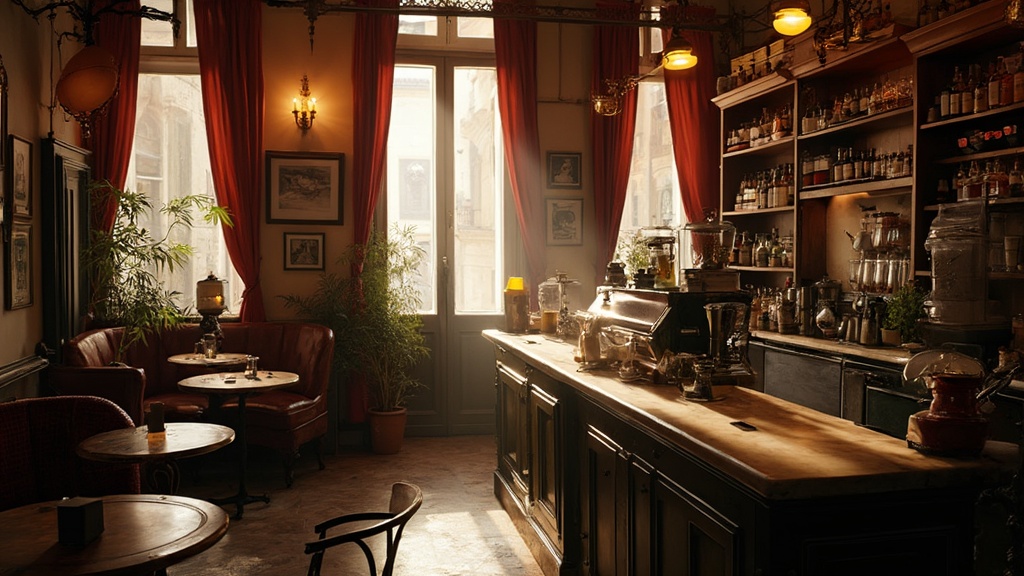
Hidden Coffee Shops in Rome: 12 Local Cafés Tourists Never Find
Hidden Coffee Shops in Rome: 12 Local Cafés Tourists Never Find
Rome's famous coffee scene hides in plain sight. While tour groups crowd into bland bars near the Trevi Fountain paying €8 for mediocre cappuccinos, Romans slip into neighborhood cafés where espresso costs €1.20 and comes with a side of local gossip.
I spent three months living in Rome with one simple rule: never drink coffee at the same place twice until I'd found every hidden gem worth returning to. These twelve cafés made the cut - and I've been back to each of them dozens of times.
The Vintage Literary Cafés
Antico Caffè Greco
Via dei Condotti | Historic Center
Yes, this 1760 landmark appears in guidebooks. But here's what they don't tell you: walk past the crowded front room where tourists photograph red velvet chairs, slip through to the back gallery, and you'll find Romans reading newspapers at marble tables that haven't changed since Keats wrote sonnets here.
The coffee ritual is theater: silver trays, delicate china, waiters in tailcoats who've worked here for decades. Order a caffè al vetro (espresso in a glass cup) and watch them prepare it like medieval alchemists.
Morning regulars - architects, writers, antique dealers - gather at the same tables they've claimed for years. Sit quietly with a book and they might nod you into their world.
Best time: 7:30-8:30am weekdays for the true regulars
Order: Caffè al vetro, cornetto semplice
Secret: The back rooms have paintings nobody bothers to look at - including works by artists who paid their coffee tabs in art
Biblioteca Caffè Letterario
Ostiense | Off the Tourist Map
Hidden in an industrial-turned-cultural neighborhood, this café occupies a converted factory space with 20-foot ceilings, exposed brick, and floor-to-ceiling bookshelves. It's part coffee roastery, part library, part community living room.
Romans bring laptops for afternoon work sessions (rare in a city where cafés expect quick turnover). Students sprawl on vintage sofas debating philosophy. The coffee - roasted on-site - rivals anything in Rome.
Weekend brunches attract creative types: graphic designers, musicians, filmmakers. The vibe is Berlin transplanted to Rome, but somehow it works.
Best time: Sunday brunch (11am-2pm)
Order: Flat white (yes, they do it properly), avocado toast
Bonus: Live music Thursday nights, film screenings in the back room
Neighborhood Secrets
Bar Pompi
San Giovanni | Locals Only
No sign. No tourist reviews. Just a green awning and a door that's been serving the same families for three generations.
The owner, Giuseppe, knows every customer by name and their usual order. Morning shift workers grab espresso at 6am standing at the zinc counter. Elderly couples share cornetti at the small marble tables. Office workers pop in for afternoon caffè corretto (espresso "corrected" with grappa).
The pastries come from a family bakery in the Castelli Romani hills - delivered fresh at 5am daily. The cornetto crema is so good that locals order extras to bring home.
Giuseppe doesn't speak English and has no interest in tourism. But if you order correctly (in Italian, standing at the bar, payment after), he'll treat you like a regular.
Best time: 7am for fresh cornetti, 4pm for afternoon coffee culture
Order: Caffè normale (standard espresso), cornetto crema
How to fit in: Stand at bar, order in Italian, pay afterwards, leave €0.20 tip on counter
Caffè Sant'Eustachio
Near Pantheon | Hidden in Plain Sight
Everyone knows Sant'Eustachio - it's in every guidebook as "the best coffee in Rome." But 99% of visitors get it wrong.
The trick: the famous caffè speciale (espresso pre-sweetened with whipped sugar) is designed for tourists. Romans standing at the side bar order differently: "Caffè normale, senza zucchero" - regular espresso, no sugar ritual, just pure coffee from their secret blend.
The real secret: the roasting happens underground. The water source (a Renaissance-era aqueduct feeding their machines) gives the coffee a mineral sweetness. And the baristas - trained for years before touching the machine - pull shots with precision you'll see nowhere else.
Morning regulars have their own language: small nods, hand signals, unspoken coffee orders the baristas execute perfectly.
Best time: 8am or 5pm (avoid 11am-2pm tourist crush)
Order like a local: "Caffè normale" at the side bar, standing
Secret knowledge: The barista facing the street-side window has worked here 40 years - watch him work
The Modern Specialty Roasters
Faro - Bright Coffee
Pigneto | Specialty Coffee Pioneer
In a neighborhood covered in street art and vintage stores, Faro brought Nordic-style specialty coffee to Rome. Light wood, minimalist design, coffee sourced directly from small farms and roasted to highlight fruity, complex flavors.
Romans initially thought it was madness - coffee should be dark, strong, bitter. But Faro's team (trained in Melbourne and Copenhagen) gently educated locals on single-origin beans, pour-over brewing, the revolution happening in coffee.
Now it's packed with Romans who've converted to lighter roasts. The baristas discuss coffee like sommeliers discuss wine. And yes, the espresso is still excellent - just different from traditional Roman style.
Best time: Weekend mornings for brunch crowd
Order: Pour-over single origin (changes weekly), bombolone
Geek out: Ask about their current beans - they love talking coffee
Romeow Cat Bistrot
Monti | Yes, Really
A cat café in Rome sounds gimmicky. But Romeow isn't a tourist trap - it's a legitimate specialty coffee shop that happens to host 12 adoptable rescue cats.
The coffee comes from Gardelli, one of Italy's top micro-roasters. The pastries are made daily by a French-trained pastry chef. And the cats - all rescued from Roman streets - wander freely, nap on windowsills, and occasionally judge your coffee choices.
Local students and remote workers camp here for hours. The cats provide therapeutic breaks from screens. And the coffee rivals any serious specialty café in the city.
Best time: Weekday afternoons when it's quieter
Order: Cortado, pistachio croissant
Cat etiquette: Let them come to you, don't wake sleeping cats, no flash photography
The Secret Squares
Bar Barberini
Piazza Barberini | Overlooked Gem
Right in the tourist zone, yet invisible. While everyone photographs the Bernini fountain, locals slip into this 1950s time capsule café on the corner.
Original chrome fixtures, vintage espresso machines, black-and-white photos of Old Rome covering the walls. The baristas - all in their 60s - have worked here since youth. They pull espresso shots with the rhythm of decades: grind, tamp, pull, serve. Perfect every time.
Regulars read newspapers at tiny tables, discussing politics and football. The cornetti come from Pasticceria Regoli (Rome's oldest), delivered warm at 7am. And the prices - remarkably - haven't caught up with the tourist location.
Best time: Mid-morning (9-10am)
Order: Macchiato, cornetto ricotta e visciole (sour cherry)
Atmosphere: Feels like 1970, sounds like Italian conversation
Caffetteria Chiostro del Bramante
Piazza Navona Area | Secret Courtyard
Hidden inside a Renaissance cloister, this café occupies one of Rome's most beautiful secret spaces. You enter through an easy-to-miss door, climb ancient stairs, and emerge in Bramante's architectural masterpiece.
The café terrace overlooks the cloister's perfect proportions - white columns, peaceful garden, fragments of early Christian mosaics. Sit here with morning espresso and you'll have a Bramante cloister nearly to yourself.
The coffee is good (not exceptional), but the setting transforms it. Art students sketch the architecture. Writers journal in corners. And you sit inside living Renaissance history.
Best time: Opening (10am) before exhibition crowds arrive
Order: Cappuccino (touristy but appropriate here), seat on the terrace
Also explore: Free exhibition gallery, often excellent contemporary art
The Neighborhood Workers
Bar Necci dal 1924
Pigneto | Pasolini's Hangout
Pier Paolo Pasolini wrote scripts at these tables in the 1960s. The neighborhood - working-class Pigneto - has gentrified slightly, but Necci remains stubbornly authentic.
Morning brings construction workers, delivery drivers, bus drivers on break - all standing at the bar for quick espresso. By 11am, the outdoor tables fill with locals reading novels over cappuccino (yes, Italians drink afternoon cappuccinos - the "rules" are more flexible than tourists think).
Weekend aperitivo transforms the space: spritz, snacks, Italian families gathering, children playing in the square. The coffee becomes secondary to the social ritual.
Best time: Saturday aperitivo (6-8pm)
Order: Morning - espresso at bar; Evening - Aperol spritz, outdoor table
Cultural note: This is real Roman neighborhood life, not a recreation
Sciascia Caffè
Prati | Since 1919
Near the Vatican but worlds away from tourist traps. Sciascia has served the same residential neighborhood for over a century - lawyers, doctors, civil servants who work nearby.
The space is tiny: eight bar stools, three small tables, vintage tile floor, art deco light fixtures. The coffee comes from their own roastery. And the chocolate - my God, the chocolate.
Sciascia is famous among Romans for hot chocolate (cioccolata calda) so thick you eat it with a spoon. Made from melted Italian chocolate, it's less a drink than a warm chocolate pudding. Served in delicate cups with fresh whipped cream on the side.
Best time: Winter afternoons (3-5pm) for hot chocolate
Order: Espresso in morning, cioccolata calda in afternoon
Take home: They sell their chocolate bars and coffee beans
The Hidden Rooftop
Terrazza Caffarelli
Capitoline Hill | Best Kept Secret
Inside the Capitoline Museums hides Rome's most spectacular café view - and almost nobody knows you can visit the café without paying museum admission.
The terrace overlooks the entire city: St. Peter's dome, the Vittoriano, red-tiled roofs stretching to the horizon. You sit surrounded by umbrella pines and ancient Roman ruins, drinking espresso above the Forum.
The secret: enter through the side entrance on Via di Monte Caprino (not the main museum entrance), tell security you're visiting the café. They'll direct you up. Most tourists never discover this entrance.
The coffee is standard museum-café quality, but the view transforms it into something memorable.
Best time: Late afternoon (4-5pm) for golden light
Order: Whatever - you're here for the view
Access trick: Via di Monte Caprino entrance, just say "Terrazza Caffarelli"
The Early Morning Ritual
Pasticceria Regoli
Esquilino | Since 1916
Not technically a café - it's a pasticceria (pastry shop) with a small bar. But it earns its place for serving Rome's best maritozzo and the most authentic morning coffee ritual.
Arrive at 6:30am when Regoli opens. The display cases fill with pastries still warm from the ovens. Workers in paint-splattered clothes grab cornetti and espresso before their shifts. Elderly Romans perform their daily ritual: espresso, newspaper, same table as yesterday.
The maritozzo - a sweet bun split and filled with fresh whipped cream - is legendary. Light as air, just sweet enough, the cream perfectly fresh. Eating one fresh from Regoli's ovens while standing at their century-old bar is a Roman food experience worth building a morning around.
Best time: 6:30-7:30am for fresh pastries
Order: Maritozzo, espresso
Tradition: Standing at bar is correct - sitting adds €2 and feels wrong here
The Bookshop Café
Caffè Letterario Open Baladin
Testaccio | Food Market Area
Hidden behind a craft beer bar (yes, really) sits a bright café space with walls of books, community tables, and excellent coffee from local roaster Mokador.
The concept: neighborhood living room meets library meets café. Shelves hold Italian literature, art books, photography collections - all free to read. Community events fill evenings: poetry readings, acoustic music, political discussions.
Morning brings remote workers and students. The coffee flows steadily, the wifi is fast, and nobody rushes you. By late afternoon, the beer side opens and the space transforms into lively aperitivo.
Best time: Weekday mornings for work/study vibe
Order: Flat white, pastry from nearby Barberini
Evening pivot: Stay for craft beer and aperitivo (6pm onward)
How to Order Coffee Like a Roman
The Basics:
- Caffè = espresso (just say "caffè")
- Caffè macchiato = espresso with dash of milk
- Cappuccino = morning drink only (locals rarely order after 11am)
- Caffè corretto = espresso with grappa or sambuca
The Ritual:
- Enter, go to bar
- Order and pay at register first (get receipt)
- Take receipt to bar, order again
- Drink standing at bar
- Leave small change (€0.20) on bar
- Exit
Sitting adds €2-5 to the price. Standing is cheaper and more authentic.
Never order: "Latte" (you'll get a glass of milk), "Expresso" (it's espresso), cappuccino after lunch
Peak times: 7-9am, 11am-noon, 4-5pm
Final Thoughts
Rome's best coffee isn't hidden behind locked doors or in undiscovered neighborhoods. It's hiding in plain sight - in neighborhood bars where old men read newspapers, in side streets off major squares, in the ritual of standing at a zinc counter while a barista pulls the perfect shot.
The secret isn't finding obscure locations. It's learning to recognize the signs of a good café: locals standing at the bar, pastries delivered fresh that morning, baristas who've worked the same machine for decades, prices that seem impossibly low, the smell of fresh-roasted coffee.
Walk past the tourist trap cafés. Look for small awnings, crowded bars, the sound of Italian conversation. Order standing up, in Italian if you can, and pay afterwards. Leave a small tip.
That's when Rome reveals its real coffee culture - not as a tourist attraction, but as a daily ritual you're invited to share.
All recommendations based on personal visits March 2024-2026. Prices and hours subject to change. Several cafés close August for traditional Italian holiday shutdown.
Related Posts
15 Best Cafes in Istanbul: From Historic Turkish Coffee Houses to Hidden Gems
Discover Istanbul's most charming cafes - from legendary Turkish coffee spots to trendy third-wave roasteries. Your complete guide to cafe hopping in the city where coffee culture began.
Best Local Markets in Europe: A Food Lover's Guide to Authentic Finds
Skip the tourist traps and discover Europe's most vibrant local markets - from Barcelona's Boqueria to Budapest's Great Market Hall, these are the spots where locals actually shop.

Hidden Gems in Tuscany Beyond Florence and Pisa
The real hidden gems in Tuscany sit beyond Florence and Pisa—Volterra, Pienza, Bagno Vignoni, and a village whose piazza is a thermal pool.