Brighton Travel Guide 2026: England's Seaside Gem
Brighton has earned its nickname as "London-by-the-Sea," but that undersells what this city actually offers. Yes, Londoners escape here on summer weekends, drawn by pebble beaches and fresh sea air just an hour from Victoria Station. But Brighton stands on its own as England's most creative, progressive, and purely fun coastal city. The Royal Pavilion alone—an Indo-Saracenic palace that looks teleported from India—would justify a visit. Add thriving LGBTQ+ culture, independent shops winding through The Lanes, a legendary music scene, and some of England's best restaurants outside London, and you have a destination that keeps visitors returning long after their first fish and chips on the pier.
Why Visit Brighton
Brighton combines seaside pleasures with urban sophistication in a way nowhere else in Britain quite matches. The city supports a genuine arts scene: the Brighton Festival ranks among Europe's largest, theaters punch above their weight, and street performers animate the waterfront. The food scene has evolved dramatically—this isn't just fish and chips (though excellent versions exist), but also vegan restaurants earning national acclaim, wine bars, and innovative British cooking.
The LGBTQ+ community has shaped Brighton's identity for decades, creating a welcoming atmosphere that extends beyond designated venues to the city's general character. Progressive politics and creative industries attract young professionals who've made the coastal commute their lifestyle. University students add energy. The result is a city that feels genuinely diverse, accepting, and lively without being overwhelming.
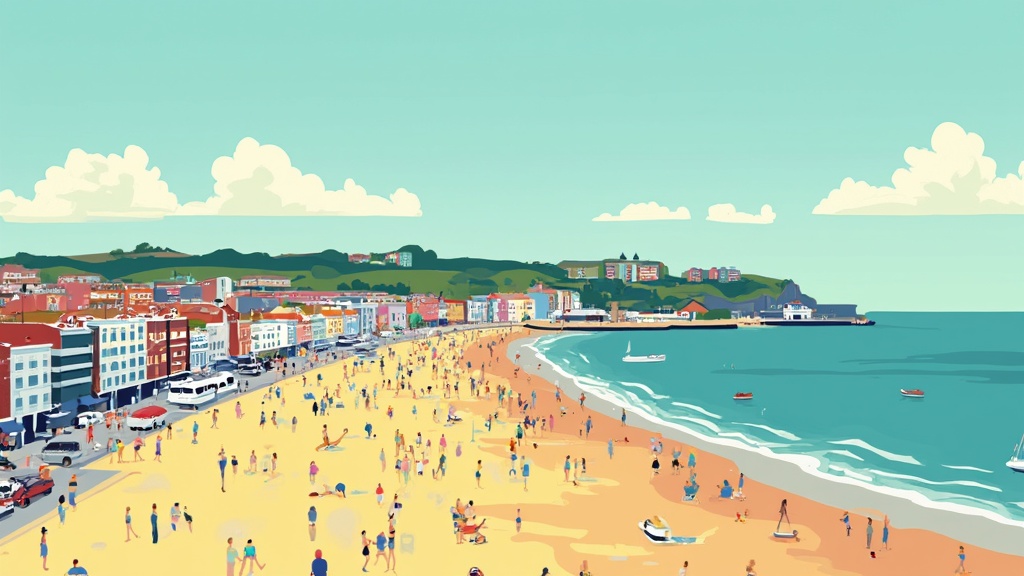
And then there's the beach. Yes, it's pebbles, not sand. But the seafront stretches magnificently, the water's cleaner than you'd expect, and watching sunset from a beach bar while the West Pier skeleton silhouettes against orange sky creates moments you won't forget.
Best Time to Visit Brighton
Summer (June-August)
Peak season brings crowds but also Brighton's best weather. Temperatures reach 18-22°C (64-72°F), and daylight extends past 9pm. The beach fills with sunbathers, swimmers brave the water, and outdoor events multiply. Brighton Pride (usually first weekend of August) transforms the city into one massive celebration. Book accommodation well ahead—prices peak significantly.
Spring (April-May)
The Brighton Festival (May) anchors the cultural calendar with three weeks of performances, exhibitions, and Fringe events. Weather warms (12-17°C/54-63°F) but remains unpredictable—pack layers. Crowds thin compared to summer, yet cafes and attractions open fully. Many consider this Brighton's sweet spot.
Autumn (September-October)
Summer's crowds evaporate, but pleasant weather often lingers (14-18°C/57-64°F). September especially offers quiet beaches and easier restaurant reservations. The arts season kicks into gear. Hotel prices drop from summer peaks.
Winter (November-March)
Cold (4-9°C/39-48°F) and potentially gray, but Brighton compensates with cozy pubs, off-season prices, and local atmosphere without tourist crowds. Christmas markets and New Year celebrations bring seasonal energy. The dramatic winter sea—waves crashing, storms rolling—creates its own stark beauty.
Top Things to Do in Brighton
The Royal Pavilion
Nothing prepares you for the Royal Pavilion. George IV, as Prince Regent, transformed a modest farmhouse into this extraordinary Indo-Saracenic fantasy—onion domes, minarets, and dragon-adorned interiors that shocked Georgian England. The interior exceeds the exterior: the Banqueting Room's chandelier (one ton, held by a dragon), the Music Room's lotus-shaped lights, and the kitchen's cast-iron palm trees boggle modern minds. Book timed tickets online. The adjacent Pavilion Gardens make for pleasant post-visit wandering.
The Lanes and North Laine
Two distinct shopping areas define Brighton's retail character:
The Lanes wind through what was the original fishing village—narrow twisting alleys packed with antique shops, jewelry stores, and cozy cafes. It's easy to get pleasantly lost here, discovering vintage clothing, rare records, or that perfect gift. The atmosphere alone warrants an hour of wandering.
North Laine (note the different spelling) runs north of The Lanes with a more alternative character: independent boutiques, vegan cafes, record shops, vintage furniture, and street art. Trafalgar Street, Kensington Gardens, and surrounding roads offer Brighton's creative retail at its best. Saturday mornings see the Open Market's fresh produce and street food.
Brighton Palace Pier
The city's iconic Victorian pier has entertained visitors since 1899. Today's attractions include arcades, fairground rides (from gentle carousels to roller coasters), and food stalls serving questionable-but-irresistible doughnuts, candy floss, and chips. It's thoroughly touristy, joyously tacky, and absolutely essential for any Brighton visit. Walk to the end for sea views and seagull encounters.
West Pier
The West Pier—or what remains of it—stands as Brighton's melancholic landmark. Once grand (it opened in 1866), fires and storms left the iron skeleton that now provides one of England's most photographed ruins. You can't walk on it, but it makes for stunning photography, especially at sunset or during storms.
The Seafront
Brighton's beach stretches seven miles of pebbles (not sand—adjust expectations). Beyond the immediate pier area, the seafront offers:
Hove Lawns for quieter beach time and beach huts. Volks Railway—the world's oldest operating electric railway—running from the pier toward the marina. Brighton Marina with restaurants, cinema, and boat trips. The beachfront arches housing bars, restaurants, and clubs, particularly lively after dark.
Swimming happens, though the water stays bracing even in summer. Beach volleyball courts see action during warm months. Paddleboarding has exploded in popularity.
The South Downs
Brighton sits at the edge of the South Downs National Park, offering countryside hiking minutes from the seafront. The climb to Devil's Dyke (a dramatic dry valley) provides panoramic views on clear days. The South Downs Way footpath passes nearby, inviting longer walks. Local buses reach trailheads easily—no car necessary.
Where to Stay in Brighton
Best for First-Timers
Central Brighton (The Lanes/North Laine) puts attractions, restaurants, and nightlife within walking distance. Hotels cluster along the seafront and in surrounding streets. Prices run higher than peripheral areas, but convenience justifies the premium.
Best for Beach Life
Hove (Brighton's conjoined-twin city to the west) offers a quieter seafront, elegant Regency architecture, and slightly lower prices. The seafront walk connects you to central Brighton in 20-30 minutes. Families often prefer Hove's calmer atmosphere.
Best for Budget
Kemptown east of the center combines LGBTQ+ neighborhood character with more affordable accommodation. Walking distance remains reasonable. The area has excellent independent restaurants and bars.
Preston Park area (north of the center) offers B&Bs and smaller hotels at lower prices, with train station access to the coast.
Brighton Food Guide
Brighton's food scene has matured remarkably. The city supports one of England's highest concentrations of vegetarian and vegan restaurants, but omnivores eat excellently too.
Seafood
Riddle and Finns (two locations) serves oysters, champagne, and sustainably sourced fish in elegant settings. The Salt Room overlooking the sea does modern British seafood with proper technique. The Jolly Poacher in Lewes Road does excellent fish and chips—better than pier versions.
Vegetarian and Vegan
Brighton pioneered UK vegan dining. Terre à Terre has served inventive vegetarian cuisine for decades. The Lanes houses Food for Friends (long-running vegetarian institution). Purezza does vegan pizza that convinces even skeptics. Happy Maki rolls vegan sushi. The density of meat-free options exceeds most UK cities outside London.
Brunch Culture
Weekend brunch queues form outside Lucky Beach (beach cafe with views), Café Coho (excellent coffee), and The Breakfast Club (American-style plates). Arrive early or prepare to wait—this is serious brunch territory.
Markets and Street Food
Brighton Open Market (North Laine) hosts food stalls alongside produce. The Level sees street food markets. Folkestone Harbour Market (easy day trip) proves worth the train ride for serious foodies.
Evening Drinking
The Mesmerist (North Laine) does cocktails in Victorian-Gothic surroundings. The Fortune of War claims to be Brighton's oldest pub—definitely the most photographed, right on the beach. The Plotting Parlour mixes creative cocktails. The Prince Albert (punk/alternative pub) features Banksy's infamous work on its wall.
Getting Around Brighton
On Foot
Brighton rewards walking. Central Brighton—the Lanes, North Laine, seafront, Pavilion—clusters compactly. You can cover the main attractions without transport.
Buses
Brighton & Hove Buses run frequently and cover areas beyond walking distance. The coastal routes run along the seafront. Buy tickets via app or contactless payment. Route 12 climbs to Devil's Dyke in summer.
Cycling
The seafront cycle path runs flat and scenic. BTN BikeShare provides rental bikes citywide. Brave cyclists tackle the South Downs climbs.
Train
Trains connect frequently to London Victoria (one hour), London Bridge, and Gatwick Airport (30 minutes). The station sits centrally—walk to most accommodation.
Nightlife and Events
LGBTQ+ Scene
Brighton's LGBTQ+ community supports a legendary scene. Kemp Town (Kemptown) hosts most venues: The Bulldog, Bar Revenge, The Camelford, and Charles Street Tap anchor the neighborhood. Pride (first August weekend) draws hundreds of thousands—book accommodation months ahead.
Music Venues
The Concorde 2 hosts mid-sized bands on the seafront. The Haunt/Chalk programs indie and alternative acts. Brighton Dome (attached to the Pavilion) handles larger shows. The city's club scene peaks along the seafront arches and West Street.
Brighton Festival and Fringe
Three weeks in May see the UK's largest arts festival outside Edinburgh. Performances, exhibitions, and events fill the city. The concurrent Fringe adds hundreds more shows. Book headline acts early; much of the Fringe operates on spontaneous discovery.
Day Trips from Brighton
Lewes (15 minutes by train) offers a medieval castle, independent shops, and Harvey's brewery. Bonfire Night (November 5) sees one of Britain's most dramatic celebrations—torchlit processions and massive bonfires.
Seven Sisters Cliffs (bus 12X or driving) provide dramatic white chalk cliffs—England's iconic coastal scenery. The walk from Birling Gap to Cuckmere Haven is unforgettable.
Arundel (40 minutes by train) combines a castle, cathedral, and antique shops in a picturesque town.
Chichester (50 minutes by train) has a Roman history, excellent theater (Chichester Festival Theatre), and the gorgeous Pallant House Gallery.
Practical Information
Money
British Pounds (£). Cards work everywhere, including contactless. Many establishments have gone cashless. ATMs are plentiful.
Weather
Brighton sits on the south coast—generally England's warmest, driest region. But this is still England: rain is always possible. Sea breezes cool summer temperatures. Bring layers regardless of season.
Safety
Brighton feels safe. Standard city awareness applies—watch valuables in crowded areas. The seafront at night sees heavy drinking on weekends but rarely genuine danger.
Insider Tips
The beach gets quieter the further you walk from the pier. Hove end offers calmer scenes; past the Marina (eastward) finds naturist sections.
For Royal Pavilion without crowds, book first-slot morning tickets. The gardens are free to enjoy anytime.
North Laine shops keep irregular hours—don't plan a Sunday morning shopping trip expecting everything open.
The 5pm-7pm sweet spot at seafront bars catches sunset while avoiding later weekend crowds.
Consider staying in Hove for lower prices and walking the seafront into Brighton—the walk itself becomes part of the experience.
FAQ
How many days do you need in Brighton?
Two days covers major attractions comfortably. Three days allows beach time, deeper neighborhood exploration, and a day trip to the South Downs or Seven Sisters.
Is Brighton expensive?
Moderately—cheaper than London, pricier than many UK cities. Accommodation peaks in summer and during Pride. Food and drink match London prices at similar quality levels.
Is Brighton good for families?
Yes—the beach, pier, Sea Life Centre, and child-friendly restaurants make it excellent. Hove offers a calmer alternative for younger children.
Is the beach swimmable?
Yes, though the water stays cool (around 15-17°C in summer) and the pebbles require adjustment. Many locals swim year-round—some enthusiasts even in winter.
Can you do Brighton as a day trip from London?
Absolutely. One hour on the train, and you're there. Day trips work for hitting major sights; overnighting captures the evening atmosphere.