Hamburg: Germany's Gateway to the World
Hamburg is a city of contradictions that somehow form perfect harmony. This proud Hanseatic port where the Elbe meets the sea combines maritime grit with bourgeois elegance, legendary nightlife with cultured sophistication, industrial heritage with cutting-edge architecture. Germany's second city does things its own way—and that independent spirit is exactly what makes it unforgettable.
Why Visit Hamburg
Hamburg captivates with its unique character:
- Speicherstadt - UNESCO World Heritage warehouse district
- Elbphilharmonie - Architectural icon and world-class concert venue
- Reeperbahn - Legendary nightlife strip where the Beatles cut their teeth
- Harbor Culture - Europe's third-largest port, deeply woven into city identity
- Water Everywhere - More bridges than Venice, canals throughout
- Progressive Spirit - Open-minded, tolerant, forward-thinking
- Culinary Scene - From fish markets to Michelin stars
- Green Spaces - Urban parks and lakeside promenades
Best Time to Visit
Spring (April-May)
Hamburg awakens after winter. Cherry blossoms line the Alster lakes, outdoor terraces open, and the city celebrates the Hafengeburtstag (harbor birthday)—the world's largest port festival in May. Temperatures rise (10-18°C) but pack a jacket for harbor winds.
Summer (June-August)
The best season for Hamburg. Long days (light until 10pm), warm weather (18-25°C), and locals spilling onto every available outdoor space. The Alster lakes become swimming holes, Stadtpark hosts concerts, and life moves outdoors. Book ahead for accommodations.
Autumn (September-October)
Still pleasant weather and fewer tourists. The Hamburger Dom folk festival runs through November, film festivals fill cinemas, and the cultural season begins. Golden light over the harbor creates perfect photography conditions.
Winter (November-February)
Cold (0-8°C) and dark, but Hamburg does cozy beautifully. Christmas markets transform the city, the Elbphilharmonie program peaks, and warehouse district lights create magical evenings. Historic fish market runs year-round regardless of weather.
Speicherstadt & HafenCity
Speicherstadt (Warehouse District)
This UNESCO World Heritage Site is Hamburg's architectural crown jewel. Built 1885-1927, these red-brick Neo-Gothic warehouses formed the world's largest continuous warehouse complex. Today, they house museums, cafés, offices, and some of the city's most atmospheric experiences.
Must-See:
-
Miniatur Wunderland
- World's largest model railway
- Incredibly detailed miniature worlds
- Book tickets online (essential)
- Plan 3-4 hours minimum
-
Hamburg Dungeon
- Interactive horror experience
- Hamburg's dark history
- Entertaining actors
- Not for young children
-
German Customs Museum
- Smuggling and enforcement
- Surprisingly fascinating
- Free entry
- Original warehouse interior
-
Speicherstadt Coffee Roastery
- Original coffee storage location
- Roasting demonstrations
- Excellent coffee shop
- Historic atmosphere
-
Dialog im Dunkeln
- Experience complete darkness
- Guided by blind staff
- Perspective-changing
- Book ahead
HafenCity
Europe's largest urban development project transforms former harbor land into a futuristic district. Ultra-modern architecture, waterfront living, and the Elbphilharmonie anchor this still-evolving neighborhood.
Highlights:
- Elbphilharmonie - Hamburg's new landmark
- Traditionsschiffhafen - Historic ship harbor
- Marco-Polo-Terrassen - Waterfront relaxation
- Viewpoint Platform - HafenCity panorama
- Emerging restaurants and cafés
Elbphilharmonie
An Architectural Icon
Rising above the harbor like a glass wave frozen in mid-crash, the Elbphilharmonie has transformed Hamburg's identity since opening in 2017. Built atop a 1960s warehouse, Herzog & de Meuron's masterpiece is both concert hall and civic symbol.
What to Experience
-
The Plaza
- Free public viewing platform at 37m
- 360-degree harbor and city views
- Open 9am-midnight daily
- Worth visiting even without concert
-
Concerts
- World-class acoustics
- Diverse programming (classical to jazz)
- Book months ahead for popular performances
- Dress code for main hall
-
Architecture Tour
- Behind-the-scenes access
- Understanding the building
- Book online in advance
-
The Tube Escalator
- Longest curved escalator in Europe
- Architectural experience itself
- Connects old and new building
Visiting Tips
- Plaza tickets are free but must be booked online
- Arrive early for best photo opportunities
- Sunset visits are magical
- Restaurant on-site for waterfront dining
Harbor & Maritime Hamburg
The Working Port
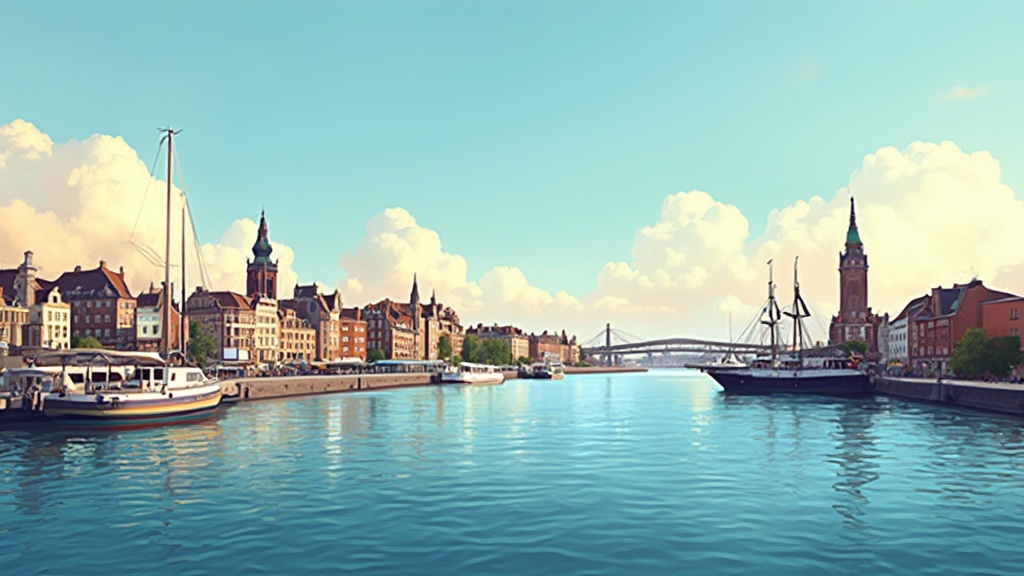
Hamburg's port is Europe's third-largest, handling millions of containers annually. Unlike many cities that have sanitized their waterfronts, Hamburg's harbor remains a working beast—container ships passing within sight of downtown, cranes operating around the clock.
Best Ways to Experience
-
Harbor Boat Tour
- Essential Hamburg experience
- Barkassen (traditional launches) best
- See container terminals up close
- Evening tours atmospheric
- Depart from Landungsbrücken
-
Fish Market (Fischmarkt)
- Sunday mornings from 5am (summer) / 7am (winter)
- Fresh fish, produce, flowers
- Live music, party atmosphere
- Many come straight from Saturday night
- Authentic Hamburg institution
-
Landungsbrücken
- Historic floating piers
- Ferry departures
- Restaurants (touristy but fun)
- Gateway to harbor experiences
-
Cap San Diego
- Museum ship, largest seaworthy museum freighter
- Overnight stays possible
- Hamburg's ship heritage
-
Rickmer Rickmers
- Three-masted tall ship museum
- Maritime history
- Café on board
Ferry Routes
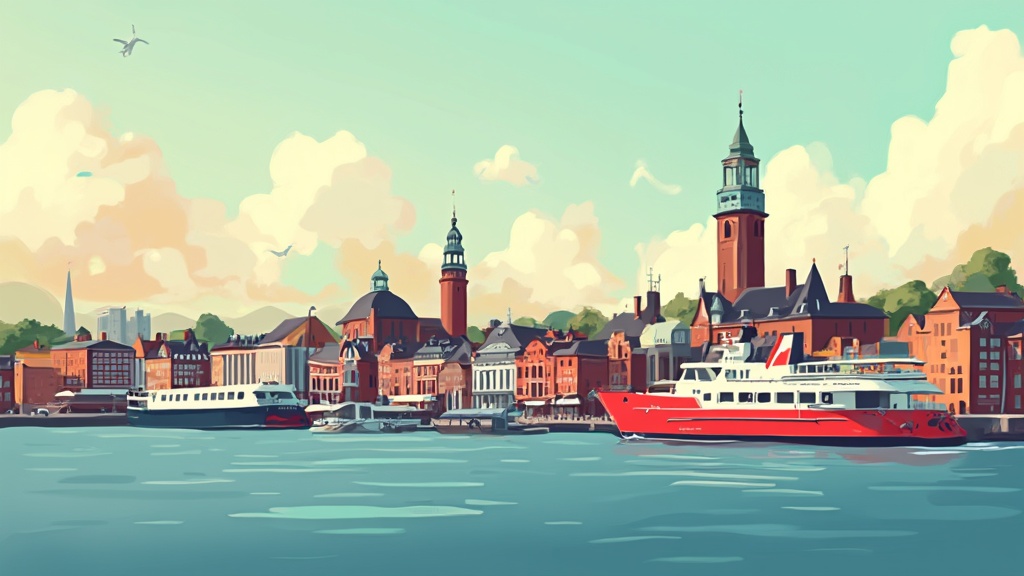
Hamburg's public ferries are the city's secret transportation highlight:
- Line 62 - Best harbor tour for local transport price
- Commuter route with spectacular views
- Passes Elbphilharmonie, container terminals, beaches
- Use regular transit ticket
- Get off at Övelgönne for beach
Neighborhoods to Explore
St. Pauli
Famous for the Reeperbahn but offering much more. This traditionally working-class district mixes legendary nightlife with alternative culture, football passion (FC St. Pauli), and gentrifying cool.
Day and Night:
- Reeperbahn - The "sinful mile," everything from theaters to strip clubs
- Große Freiheit - Where the Beatles played
- Portuguese Quarter - Restaurants around Ditmar-Koel-Straße
- Schanzenviertel - Bordering neighborhood, even hipper
- FC St. Pauli Stadium - Cult football experience
Schanzenviertel (Schanze)
Hamburg's most alternative neighborhood. Graffiti-covered facades, independent boutiques, organic cafés, and a progressive political spirit. The famous Rote Flora occupied building remains a symbol of resistance.
Experience:
- Street art everywhere
- Independent cafés and bars
- Vintage shopping
- Multicultural restaurants
- Schanzenhöfe courtyards
Ottensen
Former industrial district turned trendy family neighborhood. Artisan shops, brunch culture, and a village-like atmosphere within the city. The Fabrik cultural center anchors the scene.
Local life:
- Weekend brunch spots
- Designer boutiques
- Evening wine bars
- Farmers markets
- Creative businesses
Blankenese
Hamburg's most exclusive residential area, but publicly accessible and worth the trip. This hillside village on the Elbe has winding streets, stairways, and beach promenades that feel Mediterranean.
Day trip worthy:
- Treppenviertel (staircase quarter)
- Elbe beach walks
- Café culture
- Sunset views
- S-Bahn accessible
Altona
Historically Danish, now Hamburg's most diverse district. Fish market territory, multicultural dining, and the Altona Balkon viewpoint overlooking the harbor.
Discover:
- Altonaer Fischauktionshalle
- Multicultural restaurants
- Altona Balkon viewpoint
- Weekly markets
- Independent shops
The Alster Lakes
Hamburg's Heart
Two artificial lakes in the city center define Hamburg's character. The Inner Alster (Binnenalster) creates a urban lagoon bordered by grand hotels and arcades, while the larger Outer Alster (Außenalster) offers recreational space surrounded by parkland.
Activities
-
Walking the Promenade
- 7km around Außenalster
- Jogging, strolling, people-watching
- Cafés at intervals
- Four seasons beautiful
-
Boat Rentals
- Rowboats, canoes, kayaks, SUPs
- Multiple rental points
- Summer evenings perfect
- See city from water
-
Alster Tours
- Elegant steamers
- Canal routes through neighborhoods
- Coffee and cake on board
-
Jungfernstieg
- Inner Alster promenade
- Historic department stores
- Premier address for strolling
Culture & Museums
Must-Visit Museums
-
Kunsthalle Hamburg
- One of Germany's finest art museums
- Medieval to contemporary
- Caspar David Friedrich collection
- Multiple buildings
- Don't rush it
-
International Maritime Museum
- World's largest maritime museum
- Nine floors in historic warehouse
- Ship models, navigation, naval history
- Half day minimum
-
Museum für Kunst und Gewerbe
- Applied arts and design
- Art Nouveau collection
- Photography exhibitions
- Beautiful building
-
Deichtorhallen
- Contemporary art and photography
- Large-scale exhibitions
- Converted market hall
- Changing shows
-
Ballinstadt Emigration Museum
- Fascinating emigration history
- Millions departed Hamburg for America
- Interactive, moving
- Worth the journey
Performing Arts
-
Elbphilharmonie
- See above—Hamburg's crown jewel
- Book ahead for major concerts
-
Staatsoper Hamburg
- One of Europe's finest opera companies
- Historic building
- Adventurous programming
-
Thalia Theater
- Leading German theater
- German-language productions
- Beautiful venue
-
Musical Theater
- Hamburg rivals London/NYC
- Disney's Lion King ran 18+ years
- Multiple venues
Food & Drink
Classic Hamburg Dishes
-
Fischbrötchen
- Fish sandwich (usually herring, shrimp, or fried fish)
- Hamburg's essential street food
- Best at Landungsbrücken, Brücke 10
- Morning fish market versions legendary
-
Labskaus
- Sailor's dish of corned beef, potatoes, beetroot
- Topped with pickled herring and egg
- Looks terrible, tastes great
- Historic tavern specialty
-
Scholle Finkenwerder Art
- Plaice with bacon and shrimp
- Local fish preparation
- Traditional restaurant staple
-
Birnen, Bohnen und Speck
- Pears, green beans, and bacon
- Late summer specialty
- Sweet and savory tradition
-
Franzbrötchen
- Cinnamon pastry
- Hamburg's breakfast icon
- Every bakery, every morning
- Essential experience
Where to Eat
Traditional:
- Fischerhaus - Classic fish restaurant
- Deichgraf - Upscale local cuisine
- Alt Hamburger Aalspeicher - Eel specialties
Modern/Creative:
- The Table - Michelin three-star
- Haerlin - Two Michelin stars
- Bullerei - Tim Mälzer's cool restaurant
Casual:
- Brücke 10 - Best Fischbrötchen
- Café Paris - French-style bistro
- Portuguese Quarter - Multiple excellent restaurants
Drinking Culture
- Astra beer - Hamburg's local brew
- Alsterwasser - Beer with lemon soda (shandy)
- Fritz-Kola - Local cola, Hamburg born
- Wine bars - Growing scene in Ottensen/Eppendorf
Nightlife
The Reeperbahn
Hamburg's legendary nightlife strip is more than its red-light reputation suggests. Yes, strip clubs and erotic theaters line parts of the street, but so do theaters, live music venues, clubs, and bars ranging from divey to sophisticated.
Key Venues:
-
Große Freiheit 36
- Where the Beatles played
- Live music venue
- Historic importance
-
Mojo Club
- Underground jazz and electronica
- Cool crowd
- Great sound system
-
Molotow
- Indie and alternative
- Legendary venue
- Street-level bar, basement shows
-
Prinzenbar
- Elegant cocktail bar
- Contrast to surrounding chaos
- Well-made drinks
Beyond Reeperbahn
- Schanzenviertel bars - Alternative, relaxed
- St. Georg - LGBTQ+ friendly nightlife
- Karoviertel - Small bars, local crowd
- Golden Pudel Club - Avant-garde electronic
Tips
- Nightlife starts late (after 11pm)
- Reeperbahn gets rough after 2am
- Drink prices reasonable by German standards
- Public transport runs all night weekends
Day Trips from Hamburg
Within 1 Hour
-
Lübeck (45 minutes)
- UNESCO medieval old town
- Marzipan capital
- Hanseatic merchant history
- Thomas Mann connections
- Essential day trip
-
Lüneburg (30 minutes)
- Salt-mining heritage
- Tilting buildings from subsidence
- Charming old town
- University town energy
-
Stade (45 minutes)
- Half-timbered architecture
- Hanseatic small town
- Riverside charm
- Less touristy alternative
Worth the Journey
- Bremen (1 hour) - Hanseatic sister city
- Schwerin (1 hour) - Fairy-tale castle
- Sylt (3 hours) - Glamorous North Sea island
- Helgoland (day trip by catamaran) - Germany's only high-sea island
Practical Information
Getting Around
Public Transport:
- Excellent U-Bahn, S-Bahn, bus, and ferry system
- HVV app for tickets and planning
- Day passes best value
- Ferries included in regular tickets
On Foot:
- Center is walkable
- Speicherstadt to Reeperbahn 30 minutes
- Good signage throughout
By Bike:
- StadtRAD bike sharing
- Flat terrain
- Good bike lanes
- Popular with locals
From the Airport
Hamburg Airport is close to the city:
- S-Bahn S1 to center (25 minutes)
- Direct to Hauptbahnhof
- Taxi €25-35
- Convenient and efficient
Weather Preparation
Hamburg weather is famously changeable:
- Always pack a light rain jacket
- Wind from the harbor can be strong
- Layers work best
- Sunshine possible any season
- Locals say "there's no bad weather, only wrong clothing"
Safety
Hamburg is very safe, but:
- Reeperbahn late night requires awareness
- Hauptbahnhof area has some issues
- Petty theft in tourist areas
- Normal urban precautions apply
Hidden Gems
Secret Spots
-
Planten un Blomen
- Beautiful park with water-light concerts
- Japanese garden
- Summer evening magic
- Free illuminated fountains
-
Stintfang
- Hidden viewpoint above Landungsbrücken
- Best harbor photo spot
- Locals' sunset secret
-
Bullenhuser Damm Memorial
- Moving Holocaust memorial
- Often overlooked
- Powerful, quiet
-
Ohlsdorf Cemetery
- Largest rural cemetery in world
- Park-like, bike-friendly
- Famous graves
- Peaceful escape
-
Störtebeker Denkmal
- Pirate statue in HafenCity
- Local legend
- Great harbor views
Local Tips
- Fish market is authentic even if touristy
- Harbor ferry line 62 beats any tour boat
- Sunday brunch is Hamburg institution
- Summer Stadtpark open-airs are legendary
- The real Hamburg is in the neighborhoods
Photography Spots
Best Views
- Elbphilharmonie Plaza - Harbor panorama
- Stintfang - Classic harbor shot
- Speicherstadt bridges - Warehouse reflections
- Landungsbrücken at dawn - Working harbor
- Jungfernstieg - Inner Alster elegance
Golden Hour
- Speicherstadt canals at sunset
- Elbphilharmonie from south
- Outer Alster from west side
- Harbor cranes against evening sky
Conclusion
Hamburg defies easy summary because it contains multitudes. It's a working port and a cultural capital, a business center and a nightlife legend, historically proud and progressively modern. The water running through everything—harbor, canals, rivers, lakes—gives the city its character: open, flowing, connected to the wider world.
What visitors remember isn't just the Elbphilharmonie or the Reeperbahn, but the feeling of a city confident in its identity. Hamburg doesn't try to be Berlin or Munich. It's simply, defiantly, wonderfully Hamburg.
Come for the harbor. Stay for everything else.
FAQ
Is Hamburg safe for tourists?
Yes, Hamburg is very safe. The Reeperbahn late at night requires common sense, and the main station area can be rough, but tourist areas are well-patrolled and secure.
How many days do you need in Hamburg?
Three days is ideal—one for harbor and Speicherstadt, one for neighborhoods and museums, one for day trip or deeper exploration. Two days covers highlights.
Do you need cash in Hamburg?
Cards are widely accepted, but some traditional restaurants and markets prefer cash. Always carry some euros.
What's special about the Reeperbahn?
It's Germany's (and arguably Europe's) most famous nightlife strip, where the Beatles played early gigs and everything from theaters to clubs to red-light establishments coexist. It's authentic, slightly rough, and uniquely Hamburg.
Is the Fish Market worth waking up for?
Absolutely. Even if you don't buy fish, the atmosphere—merchants shouting, live music, people coming from Saturday night, locals doing actual shopping—is quintessential Hamburg.