Phuket Travel Guide 2026: Thailand's Island Paradise
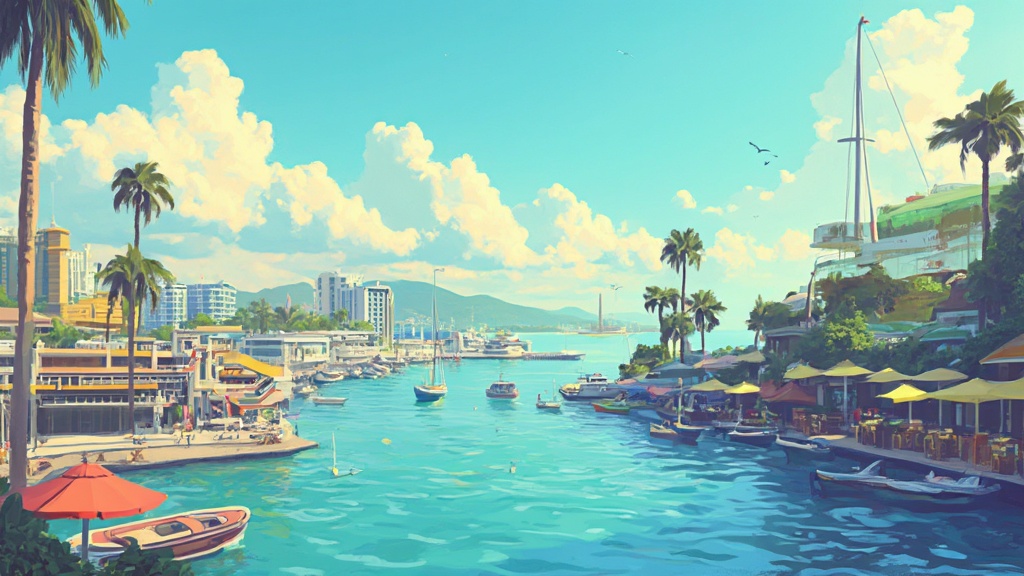
Phuket is Thailand's largest island and the Andaman Sea's crown jewel—a tropical destination that somehow accommodates everyone, from families seeking safe beaches to backpackers chasing full moon parties to luxury travelers wanting world-class resorts. The island stretches 48 kilometers north to south, offering beaches for every mood: the famous buzz of Patong, the family-friendly calm of Kata, the relative quiet of Kamala, and the untouristed reaches of the northwest. Beyond beaches, Phuket offers a gateway to some of Southeast Asia's most stunning landscapes—Phi Phi Islands, Phang Nga Bay's limestone karsts, and the Similan Islands' diving.
Why Visit Phuket
Phuket delivers tropical Asia with excellent infrastructure. International flights arrive daily, roads connect all beaches, and tourism investment has produced hotels ranging from budget guesthouses to some of Asia's finest resorts. The value proposition remains strong—a week in Phuket costs a fraction of comparable beach destinations in the Caribbean or Mediterranean.
Beyond the beaches, Phuket surprises with substance. Old Phuket Town preserves Sino-Portuguese architecture, morning markets, and local food that predates tourism. The island's interior hides waterfalls, viewpoints, and elephant sanctuaries. Cooking classes, muay thai camps, and wellness retreats cater to travelers seeking more than tan lines. And the day-trip possibilities—Phi Phi, James Bond Island, snorkeling sites—rank among Southeast Asia's best.
Best Time to Visit Phuket
High Season (November-February)
Thailand's cool, dry season brings optimal conditions: blue skies, calm seas, lower humidity, and temperatures around 25-32°C (77-90°F). The Andaman Sea turns crystal clear. Crowds peak and prices rise, especially during Christmas and New Year. Book accommodation weeks ahead for December-January.
Shoulder Season (March-April)
Heat intensifies (32-35°C/90-95°F) but rain hasn't arrived. Songkran (Thai New Year, mid-April) brings nationwide water-fight celebrations. Seas remain calm; crowds thin from February peaks. Excellent value for heat-tolerant travelers.
Low Season/Monsoon (May-October)
The southwest monsoon brings rain—typically afternoon storms rather than all-day gray. Seas can get rough on west coast beaches; swimming flags matter. Hotel prices drop 30-50%. The island remains beautiful: lush green landscapes, fewer tourists, and sunny mornings followed by dramatic clouds. Many travelers find low season perfectly enjoyable; others prefer guaranteed sun.
Phuket Beaches
Patong Beach
Phuket's most famous—and infamous—beach draws the largest crowds. The 3-kilometer crescent offers everything: water sports, beach chairs, hawkers, and the adjacent Bangla Road nightlife district. Patong suits visitors wanting action, bars, shopping, and social beaches. It doesn't suit those seeking peace or Thai authenticity.
Kata and Kata Noi
South of Patong, Kata Beach balances tourism infrastructure with more manageable crowds. Restaurants, hotels, and surf schools line the beach; waves draw beginners. Kata Noi, a smaller cove just south, feels more intimate. Families often choose Kata for its middle-ground atmosphere.
Karon Beach
The long stretch between Kata and Patong offers space—rarely feels crowded despite hotel development. Good swimming, less nightlife, and a more relaxed pace than Patong.
Kamala Beach
North of Patong, Kamala maintains village atmosphere. The beach has developed but keeps a lower key; families and couples appreciate the calmer vibe. The Phuket FantaSea show operates here.
Surin and Bang Tao
Moving north, beaches feel more exclusive. Surin draws upscale beach clubs and beautiful people. Bang Tao stretches for miles behind the Laguna Phuket resort complex—excellent for long beach walks.
Northwest Beaches (Nai Thon, Nai Yang, Mai Khao)
The least developed coastline. Mai Khao stretches 11 kilometers near the airport; sea turtles nest here. Nai Yang edges Sirinath National Park. These beaches suit travelers prioritizing tranquility over amenities.
Rawai and Nai Harn (South)
Nai Harn hides a beautiful bay backed by a lake and temple. Popular with locals, less package-touristy. Rawai itself is more of a pier than swimming beach but provides seafood restaurants and boat access to nearby islands.
Top Things to Do in Phuket
Old Phuket Town
Skip Patong for a day and explore the island's heritage. Sino-Portuguese shophouses line Thalang Road and surrounding streets—colorful facades, wooden shutters, and a vibe far removed from beach tourism. Sunday evening brings a walking street market; weekday mornings see locals at coffee shops unchanged for decades.
Things to do in Old Town:
- Walk Soi Rommanee (Instagram-famous colored buildings)
- Browse Thalang Road shops and cafes
- Visit Shrine of the Serene Light (Chinese temple)
- Try local specialties at restaurants and morning markets
- See street art and murals throughout the old quarter
Big Buddha
The 45-meter marble Buddha sits atop Nakkerd Hill, visible from much of southern Phuket. The viewpoint delivers panoramic island views; the temple complex beneath provides Buddhist atmosphere. Visit at sunset for best light and temperatures.
Wat Chalong
Phuket's most important temple draws Thai worshippers and curious visitors. The Grand Pagoda, three-tiered architecture, and religious art merit an hour. Free entry; dress modestly (covered shoulders and knees).
Phang Nga Bay
The iconic limestone karsts rising from emerald water—this is the Andaman scenery that defines the region. Day trips typically include:
- James Bond Island (Khao Phing Kan) from "The Man with the Golden Gun"
- Sea canoeing through caves and hongs (collapsed cave lagoons)
- Koh Panyi floating Muslim village (touristy but photogenic)
Book via hotel or reputable operator; prices vary significantly.
Phi Phi Islands
The most popular day trip: turquoise water, dramatic cliffs, and Maya Bay (The Beach filming location). Phi Phi gets crowded—consider overnight stays or early morning speedboat trips to beat crowds. Snorkeling around Phi Phi and Bamboo Island impresses; diving here is excellent.
Similan Islands
For serious snorkelers and divers, the Similan Islands (open November-May only) offer Thailand's best underwater visibility. Day trips run long (early departure, late return); liveaboard dive trips access the best sites properly.
Viewpoints
- Karon Viewpoint (Three Beaches Viewpoint): Kata Noi, Kata, and Karon from above
- Promthep Cape: Sunset crowds gather at Phuket's southern tip
- Windmill Viewpoint: Above Nai Harn, less crowded than Promthep
- Big Buddha viewpoint: Panoramic from the hilltop temple
Elephant Experiences
Avoid riding elephants—ethical sanctuaries focus on observation and interaction without exploitation. Elephant Jungle Sanctuary and similar operations allow feeding and bathing elephants without riding.
Where to Stay in Phuket
Best for First-Timers
Kata balances beach quality, dining options, and more manageable atmosphere than Patong. Families particularly appreciate Kata's mix.
Best for Nightlife
Patong delivers if you want bars, clubs, and nonstop energy. Bangla Road is loud, bright, and unmistakably Phuket after dark.
Best for Luxury
Bangtao/Surin area holds upscale resorts; Kamala and Nai Harn offer boutique luxury. The Andara, Trisara, and Amanpuri represent top-tier Phuket.
Best for Quiet/Couples
Nai Harn, Kamala, or northwest beaches (Nai Yang, Nai Thon) suit travelers wanting tranquility over activity.
Best for Budget
Karon and Kata have guesthouses and budget hotels with beach access. Old Phuket Town offers the lowest prices if you don't need beachfront.
Phuket Food Guide
Thai Dishes
Phuket's local specialties reflect Hokkien Chinese and Malay influences:
Hokkien Mee (Phuket-style noodles): stir-fried yellow noodles with pork, shrimp, and distinctive taste Mee Hoon (Phuket vermicelli): breakfast noodles with curry-like broth Kanom Jeen: rice noodles with curries—a southern Thai staple Roti: Indian-influenced flatbread, sweet or savory Oh Taw (Oyster omelet): street food specialty
Where to Eat
Old Town offers the most authentic local food. Morning markets and decades-old restaurants serve dishes unchanged for generations.
Night markets (weekend walking streets, Chillva Market) combine Thai food, seafood, and atmosphere.
Rawai seafood restaurants let you select fresh catches prepared to order—more local than tourist-oriented Patong seafood spots.
For upscale Thai, Blue Elephant (Phuket Town) occupies a gorgeous mansion; Suay in Cherngtalay does modern Thai excellently.
International Dining
Phuket's tourism has generated excellent international restaurants. Italian, Japanese, and Mediterranean options dot the island, particularly around Surin and Bang Tao.
Getting Around Phuket
Taxis and Grab
Phuket lacks metered taxis; negotiate prices before boarding or use Grab (Southeast Asia's Uber equivalent). Grab provides transparent pricing and avoids haggling.
Motorbike Rental
Common and inexpensive, but Phuket roads see serious accidents. Traffic can be chaotic, helmets are essential, and international driver's licenses are technically required. Experienced riders manage fine; inexperienced riders should skip it.
Songthaews
Shared pickup trucks run set routes (Patong to Phuket Town, for example). Cheap and local, but inconvenient for beach-hopping.
Car Rental
The easiest way to explore the island properly. Rates are reasonable; international chains and local operators offer vehicles. Driving is on the left; roads are generally good.
Practical Information
Money
Thai Baht (THB). ATMs everywhere; cards accepted at hotels and upscale restaurants. Beach vendors, markets, and smaller restaurants expect cash. Negotiate prices at markets and for taxis.
Language
Thai, but English is widely understood in tourist areas. Basic phrases appreciated: "Sawadee khrap/ka" (hello), "Khop khun" (thank you).
Safety
Phuket is generally safe. Watch for motorbike scams, jet ski damage claims, and inflated tuk-tuk prices. Swim between flags—Andaman currents claim lives during monsoon season.
Health
Tap water isn't drinkable; bottled water is cheap and everywhere. Mosquito protection matters. Hospitals (Bangkok Hospital Phuket, Phuket International Hospital) provide quality care.
Insider Tips
The best beaches often lie north of the tourist concentration. Nai Thon and Mai Khao feel like different islands compared to Patong.
Book island tours through your hotel or reputable agencies—not beach touts who may use unsafe boats.
Old Phuket Town on Sunday evening (walking street market) shows the island's non-beach culture at its best.
For sunset without Promthep crowds, try Windmill Viewpoint or beachfront bars in Surin.
Rainy season doesn't mean constant rain—mornings are often sunny, storms pass, and prices drop dramatically.
FAQ
How many days do you need in Phuket?
Five to seven days allows beach time, island trips (Phi Phi, Phang Nga), and Old Town exploration. Shorter stays feel rushed if including day trips.
Is Phuket expensive for Thailand?
More expensive than Bangkok or northern Thailand, but cheaper than European beach destinations. Budget travelers manage on $40-60/day; mid-range comfort runs $100-150; luxury is limitless.
Is Phuket safe for solo female travelers?
Generally yes. Standard precautions apply: avoid isolated areas at night, be cautious in Patong's nightlife zones, and trust instincts. Many solo women travel Phuket without issues.
Can you swim year-round?
During monsoon season (May-October), rough seas and riptides affect west coast beaches. Red flags mean don't swim. Calmer east coast beaches (Ao Por, Cape Panwa) remain swimmable.
Is Patong really that bad?
It depends what you want. Patong is loud, commercial, and very much a tourist zone. If you want bars, nightlife, and beach-party atmosphere, it delivers. If you want Thai authenticity and peace, stay elsewhere.