Amphawa: Thailand's Most Authentic Floating Market Experience
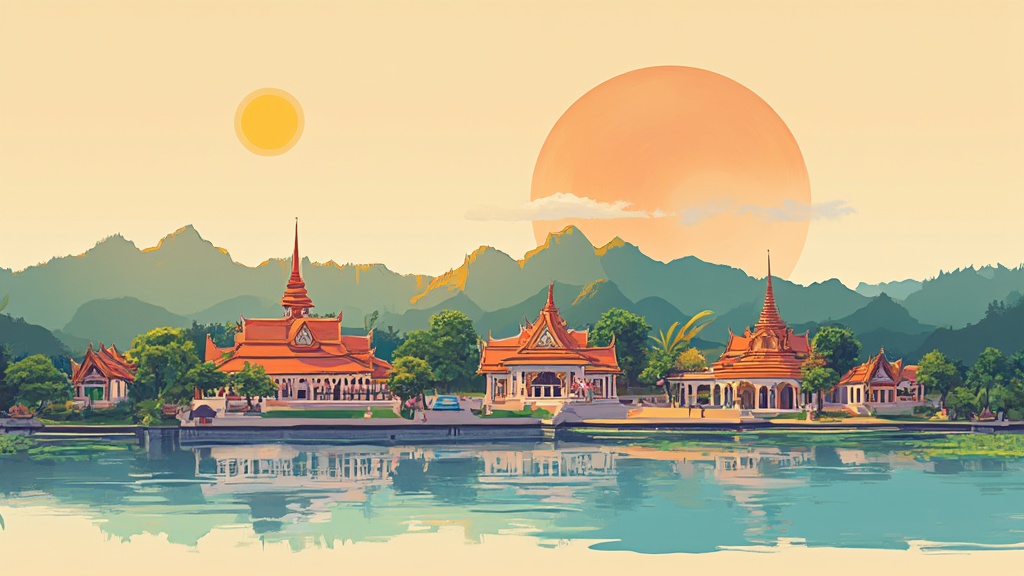
Tucked along the serpentine canals of Samut Songkhram province, Amphawa offers travelers something increasingly rare in Thailand: an authentic glimpse into traditional canal-side living without the overwhelming tourist circus. Unlike its more famous cousin Damnoen Saduak, this charming market town maintains its genuine character while welcoming visitors into a world of wooden shophouses, boat-based vendors, and magical firefly-watching evening cruises.
Just 90 kilometers southwest of Bangkok, Amphawa transforms from a sleepy waterside community into a vibrant weekend market destination. Locals and visitors alike crowd the narrow walkways along Mae Klong River, sampling fresh seafood cooked on boats, browsing handicrafts, and settling into the uniquely Thai rhythm of life lived around water.
Why Visit Amphawa?
Amphawa represents the Thailand that existed before shopping malls and mass tourism reshaped the landscape. The floating market here isn't a performance staged for cameras—it's a living tradition where vendors actually live on their boats and locals genuinely shop for groceries alongside curious travelers.
The weekend market atmosphere combines perfectly with evening firefly tours, creating a complete day-to-night experience impossible to replicate elsewhere near Bangkok. You'll find yourself eating pad thai prepared on a rocking boat, watching a grandmother expertly grill giant river prawns, then drifting through mangrove tunnels as thousands of synchronous fireflies illuminate the darkness like living Christmas lights.
For photographers, the combination of weathered teak shophouses, colorful market umbrellas reflected in canal water, and golden-hour light creates endless composition opportunities. For food lovers, the concentration of fresh seafood—particularly the region's famous giant river prawns—rivals anywhere in Thailand.
Top Experiences in Amphawa
Amphawa Floating Market
The main event runs Friday through Sunday evenings, typically from 3 PM until 9 PM. Vendors paddle traditional wooden boats loaded with prepared foods, fresh fruits, and local specialties. The star attraction remains the grilled seafood—massive tiger prawns, sweet crab, squid, and fish prepared over charcoal braziers mounted on boats.
Position yourself along the canal-side wooden walkways where you can eat at tables extending over the water. Many restaurants let you point at boats passing by to order directly from floating vendors. The combination of fresh-cooked food, canal breezes, and the theatrical presentation makes for unforgettable meals.
Beyond food, vendors sell traditional Thai sweets, handwoven textiles, coconut products from nearby plantations, and surprisingly well-curated vintage items. The market stretches along both sides of the canal for roughly a kilometer, with smaller side canals offering quieter exploration.
Firefly Night Tours
Amphawa's firefly tours rank among Thailand's most magical experiences. After sunset, long-tail boats depart from the main market area, cruising through increasingly narrow waterways lined with lamphu trees—the preferred home of synchronous fireflies.
These aren't ordinary fireflies. Pteroptyx malaccae fireflies synchronize their flashing, creating waves of light that pulse through entire trees simultaneously. During peak season (April through October, strongest in May-June), the effect genuinely resembles fairy lights strung through the forest.
Tours typically last 60-90 minutes and cost 60-100 baht per person. Boat drivers know the best spots and will cut engines to drift silently through the most spectacular sections. Bring mosquito repellent, but leave your camera flash at home—it disturbs the fireflies and ruins the experience for everyone.
Wat Chulamanee and Temple Exploration
Often overlooked by market-focused visitors, the temples surrounding Amphawa offer peaceful morning alternatives. Wat Chulamanee features a distinctive white stupa and relaxed riverside setting. Wat Amphawan Chetiyaram, connected to the Thai royal family, houses museum exhibits on King Rama II who was born in this region.
The most photogenic temple experience involves taking an early morning boat through the canals to reach riverside temples where monks collect alms from boat-based worshippers—a tradition unique to Thailand's canal communities.
Maeklong Railway Market
Though technically 8 kilometers away, no Amphawa visit is complete without witnessing the Maeklong Railway Market phenomenon. Eight times daily, a train literally passes through an active wet market. Vendors retract their awnings and pull back their goods as the locomotive squeezes through with inches to spare, then immediately resume selling.
The train schedule changes occasionally, but departures from Maeklong station typically occur around 6:20, 8:30, 9:00 AM and 11:30 AM, returning around 6:20, 9:00, 11:30 AM and 3:30 PM. Arrive 20-30 minutes before train time to secure good viewing positions and watch the entire retraction-and-reset process.
Don Hoi Lot Sandbar
During low tide, a massive sandbar emerges at the mouth of Mae Klong River, creating kilometers of walkable beach dotted with razor clam harvesting operations. Locals wade through the shallows digging for hoi lot (razor clams), and restaurants along the shore serve them fresh—steamed, grilled, or in spicy salads.
The surreal landscape of people spread across the suddenly-revealed ocean floor makes for extraordinary photography. Check tide tables before visiting; the sandbar disappears entirely at high tide.
Where to Stay in Amphawa
Canal-Side Homestays
The quintessential Amphawa experience involves staying in traditional wooden houses directly over the canal. These homestays range from simple rooms with shared bathrooms to renovated shophouses with air conditioning and private facilities. Prices run 600-1,500 baht per night.
Baan Chom Dao and Baan Amphawa Resort offer comfortable mid-range options with canal views. For budget travelers, numerous family-run guesthouses line the market streets—look for "room for rent" signs in Thai and English.
Resort Options
For more comfortable accommodation, Asita Eco Resort provides boutique-style rooms in a garden setting just outside the market area. The Sala Ayutthaya brand also operates a property here with their signature minimalist aesthetic and attention to detail.
Staying in Samut Songkhram
The provincial capital, just 3 kilometers away, offers additional hotel options and serves as a useful base for exploring multiple attractions. Songthaews (covered pickup trucks) run frequently between Samut Songkhram and Amphawa.
Getting to Amphawa
From Bangkok by Minivan
The easiest option involves catching a minivan from Bangkok's Southern Bus Terminal (Sai Tai Mai). Vans depart regularly throughout the day, taking approximately 90 minutes and costing around 80 baht. Some services also depart from Victory Monument.
By Train
The more scenic but complicated option combines BTS to Wong Wian Yai station, then a commuter train to Mahachai, a ferry crossing, another short train to Maeklong, and finally a songthaew to Amphawa. This route takes 3-4 hours but provides genuine immersion in local transportation and costs under 50 baht total.
By Private Car
Hiring a private driver for a day trip from Bangkok costs 2,000-3,000 baht and allows flexibility to combine Amphawa with Maeklong Railway Market and Don Hoi Lot in a single outing.
Best Time to Visit Amphawa
Peak Season (November-February)
Thailand's cool season brings comfortable temperatures, lower humidity, and minimal rain. This coincides with peak tourist season, meaning larger crowds at the floating market but also the most reliable weather. Weekend evenings become extremely crowded—consider Friday or early Sunday for slightly calmer experiences.
Firefly Season (April-October)
The wet season brings fewer tourists but spectacular firefly displays. May and June typically see the strongest synchronous flashing. Afternoon rain showers are common but usually clear by market opening time. The lush green landscape during this period creates beautiful photography opportunities.
Timing Your Visit
The floating market operates Friday evenings (5-9 PM), Saturdays and Sundays (noon-9 PM). Arriving Friday afternoon allows you to catch the evening market, take a firefly tour, stay overnight, then explore morning temples and Maeklong Railway Market on Saturday.
Food Guide: What to Eat in Amphawa
Giant River Prawns
The region's signature dish features freshwater prawns that can exceed half a kilogram each. These monsters are grilled over charcoal until the shells char and the meat turns pink and juicy. Served with spicy seafood sauce, they're worth every baht of their 200-400 baht price tag.
Boat Noodles
Vendors paddle past offering small bowls of intense, aromatic boat noodles—so named because they were traditionally sold from boats. The rich broth incorporates pig or beef blood for depth and body. Order three or four bowls; they're meant to be eaten in quantity.
Coconut Treats
The surrounding province produces abundant coconuts, reflected in countless market offerings: coconut ice cream served in shells, coconut pancakes (khanom krok), fresh coconut water, and coconut sticky rice with mango.
Thai-Chinese Sweets
Amphawa's heritage includes significant Chinese influence, visible in the prevalence of traditional sweets: mung bean cakes, egg tarts, and various steamed dumplings with sweet fillings.
Practical Tips for Visiting Amphawa
Money Matters
ATMs exist in Amphawa, but not abundantly. Bring sufficient cash from Bangkok—most vendors accept only cash, though some larger restaurants have card machines. Budget 500-1,000 baht for food and snacks, plus 100-200 baht for firefly tours.
What to Bring
Mosquito repellent is essential for firefly tours. Comfortable walking shoes help navigate sometimes-slippery wooden walkways. A small flashlight assists with navigating darker areas after sunset. During rainy season, pack a compact umbrella.
Cultural Considerations
Dress modestly when visiting temples—covered shoulders and knees required. Remove shoes before entering temple buildings and homestay bedrooms. Thais appreciate basic pleasantries: a slight bow with hands pressed together (wai) goes far.
Crowd Management
Arriving before 2 PM on weekends allows exploration before the heaviest crowds descend. Alternatively, Monday through Thursday visits find Amphawa nearly empty—some vendors still operate, and the peaceful canal atmosphere compensates for reduced activity.
Beyond the Market: Hidden Amphawa
King Rama II Memorial Park
This beautifully landscaped park commemorates the poet-king born in this region. Traditional Thai houses display period furniture and royal artifacts. The park hosts cultural performances during festivals and provides a tranquil counterpoint to market chaos.
Coconut Sugar Workshops
Several family operations in surrounding villages still produce coconut palm sugar using traditional methods. Visitors can watch the entire process—from climbing trees to collect flower sap, through boiling and crystallization. Some workshops offer hands-on experiences.
Ban Khun Phrom Homestay Community
This network of homestays in a nearby village offers immersive experiences including traditional fishing, rice farming activities, and cooking classes focused on local recipes. Advance booking required.
Frequently Asked Questions
Is Amphawa worth visiting, or should I go to Damnoen Saduak instead?
Amphawa offers a more authentic, less touristy experience than Damnoen Saduak. The evening and nighttime atmosphere feels uniquely Thai rather than staged for tourists. If you only have time for one floating market, Amphawa provides better value and more genuine interactions—plus the firefly tours are unavailable elsewhere.
Can I visit Amphawa as a day trip from Bangkok?
Yes, but staying overnight significantly enhances the experience. A day trip limits you to either the afternoon/evening market or morning attractions like Maeklong, but not both comfortably. Overnight stays allow evening market browsing, firefly tours after dark, and morning temple visits or train market exploration.
How crowded does Amphawa get?
Weekend evenings (especially Saturdays 5-8 PM) see significant crowds, particularly during cool season. The main walkways become congested, though the atmosphere remains festive rather than unpleasant. Friday evenings and Sunday mornings offer calmer alternatives while still experiencing market activity.
Are firefly tours available year-round?
Fireflies are present year-round but peak dramatically during rainy season (May-October). Cool season tours still operate but displays are less spectacular. Moonless nights produce better viewing; check lunar calendars if fireflies are a priority.
What's the best way to combine Amphawa with Maeklong Railway Market?
Most visitors watch the early afternoon train at Maeklong (around 2:30 PM), then proceed to Amphawa for the floating market and evening firefly tour. Staying overnight allows catching the morning train times as well. The two locations are 8 kilometers apart; songthaews cost 20 baht.
Is Amphawa suitable for families with children?
Absolutely. Children enjoy the boat-based food ordering, firefly tours, and train market spectacle. The walkways require supervision near water edges, but overall the pace and activities suit family travelers well. Most accommodation can arrange extra mattresses or family rooms.
Amphawa proves that Thailand's most rewarding destinations aren't always the most famous. This genuine slice of canal life offers experiences—floating market dining, synchronized fireflies, trains through markets—that remain uniquely Thai despite increasing visitor numbers. Come for the food, stay for the fireflies, and leave understanding why Thai life has revolved around water for centuries.