Austin: Where Live Music, BBQ, and Weird Culture Collide
Texas's capital city has evolved from a quirky college town into a bona fide cultural powerhouse, yet somehow maintains the rebellious spirit that birthed its famous "Keep Austin Weird" slogan. This is a city where tech billionaires wait in the same four-hour barbecue lines as broke musicians, where swimming holes carved by ancient springs sit minutes from gleaming downtown towers, and where any given Thursday night offers more live music than most cities see in a month.
Austin doesn't just claim to be the "Live Music Capital of the World"—it actually delivers, with over 250 music venues pumping out everything from honky-tonk country to experimental electronic. But music represents just one thread in a rich tapestry that includes some of America's best food scenes, a passionate outdoor culture built around lakes and greenbelts, and a creative energy that pervades everything from mural-covered walls to innovative cocktail bars.
Why Visit Austin?
Austin occupies a unique position in American cities: genuinely cosmopolitan yet distinctly Texan, tech-forward but fiercely protective of its eccentric heritage. You can start your day swimming in Barton Springs' 68-degree waters, spend the afternoon gallery-hopping through East Austin warehouses, catch a legendary live act on Sixth Street, and finish with midnight tacos—all while never losing the thread of a city that refuses to take itself too seriously.
The food scene alone justifies the trip. Austin has transformed Texas barbecue into a global phenomenon while simultaneously nurturing diverse immigrant cuisines, farm-to-table restaurants, and some of America's most creative food trucks. Add in the city's genuine friendliness (yes, "Southern hospitality" actually manifests here), walkable urban neighborhoods, and relatively affordable prices compared to other tech hubs, and you've got an essential American destination.
Iconic Austin Experiences
Live Music on Sixth Street
The entertainment district along Sixth Street between Congress Avenue and I-35 concentrates dozens of live music venues within staggering distance of each other. On weekend nights, the street closes to cars, creating a massive block party atmosphere with different sounds spilling from every doorway.
The Continental Club has anchored South Congress music since 1955, hosting acts ranging from Stevie Ray Vaughan to Gary Clark Jr. Antone's, the legendary blues club, continues its mission of bringing authentic blues to new generations. For a more intimate experience, the Saxon Pub on South Lamar showcases singer-songwriters in a listening-room setting.
Beyond the obvious venues, live music infiltrates unexpected spaces: grocery stores, airport terminals, coffee shops, and even the city council chamber. Most performances are free; venues make money on drinks, so a few beers subsidizes world-class entertainment.
Barton Springs Pool
This three-acre swimming pool fed by underground springs maintains a constant 68-70°F year-round, creating an oasis that locals treat with almost religious reverence. Carved into the limestone of Zilker Park, Barton Springs offers escape from brutal Texas summers and surprisingly pleasant winter swimming for the brave.
The pool opens early (5 AM most days) and stays open late, allowing pre-work swims and midnight dips. Admission costs just a few dollars. The surrounding greenbelt provides hiking trails that connect to the broader Austin trail network. Lifeguards staff the main pool, but a smaller free section below the dam offers clothing-optional swimming in a more natural setting.
Congress Avenue Bridge Bat Colony
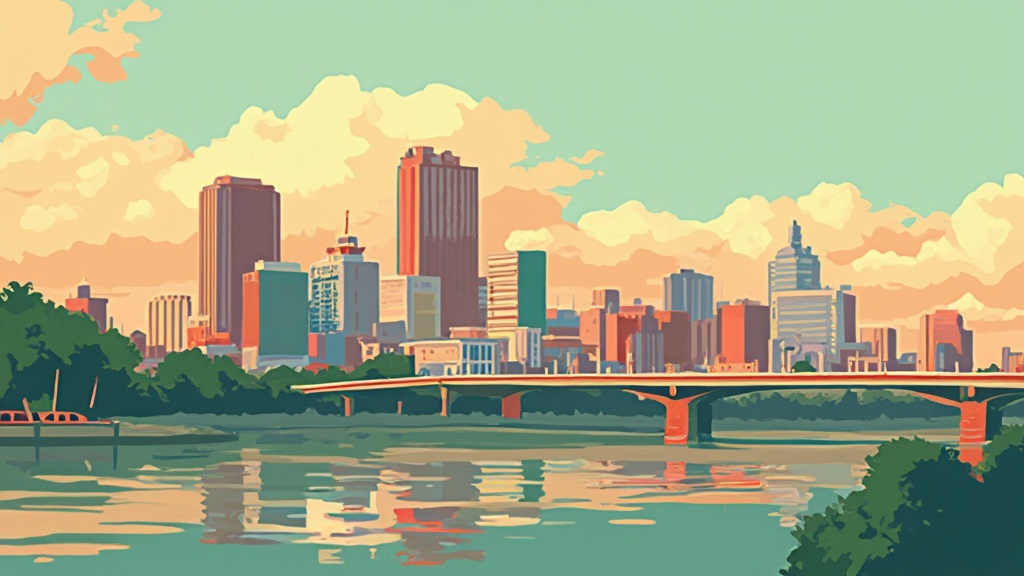
From March through October, approximately 1.5 million Mexican free-tailed bats roost beneath the Congress Avenue Bridge—the largest urban bat colony in North America. Each evening at dusk, they emerge in a spectacular stream that can take 45 minutes to fully exit, darkening the sky as they head off to consume an estimated 10,000 pounds of insects nightly.
The best viewing spots include the bridge itself (arrive early for railing positions), the lawn of the Austin American-Statesman building below, or kayaks on Lady Bird Lake. Boat tours specifically timed for bat emergence offer water-level viewing. The spectacle is free and genuinely impressive—even Austinites who've seen it hundreds of times still stop to watch.
Lady Bird Lake and the Hike-and-Bike Trail
Lady Bird Lake (actually a dammed section of the Colorado River) sits at Austin's heart, rimmed by a 10-mile hike-and-bike trail that serves as the city's communal living room. Runners, cyclists, paddleboarders, dog walkers, and stroller-pushers share the path in remarkable harmony.
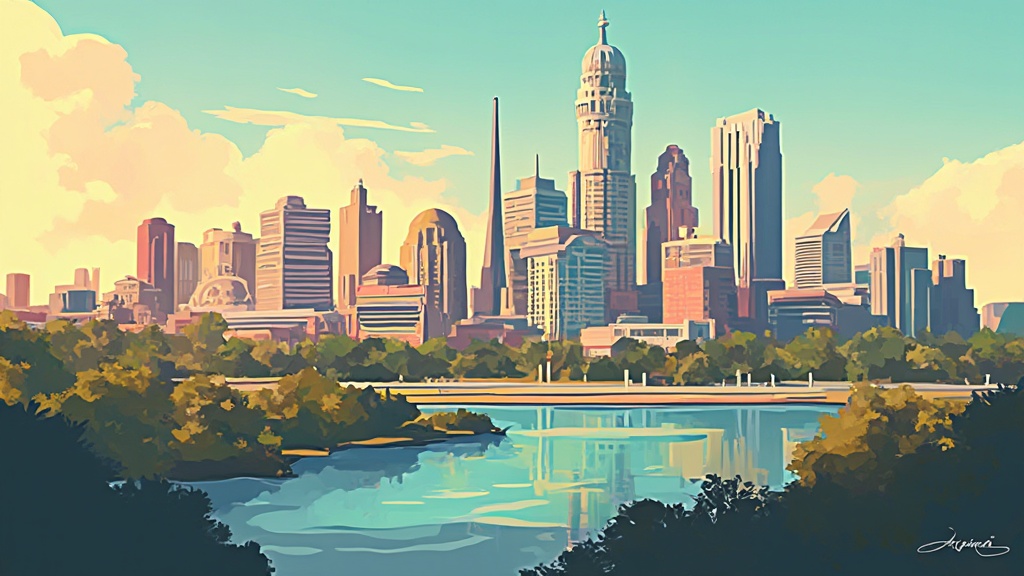
Kayak and paddleboard rentals cluster at multiple access points. The trail connects to broader greenway systems, allowing multi-hour excursions through surprisingly wild terrain. Downtown views from the water at sunset, with the skyline reflecting off calm surfaces, provide quintessential Austin moments.
Austin's Best Neighborhoods
South Congress (SoCo)
South Congress Avenue transformed from seedy thoroughfare to Austin's coolest corridor over the past two decades. Vintage clothing stores, independent boutiques, quirky galleries, and excellent restaurants line the street, all while maintaining just enough edge to feel authentic rather than sanitized.
Must-visits include the "I love you so much" mural outside Jo's Coffee, the legendary Home Slice Pizza, and Allens Boots for authentic Western footwear. Food trucks cluster in multiple lots. The neighborhood retains walkability missing from much of spread-out Austin.
East Austin
The historically Black and Latino neighborhoods east of I-35 have become Austin's creative epicenter. Former warehouses now house art galleries, craft breweries, and some of the city's most innovative restaurants. The transformation continues generating debate about gentrification, but the current moment offers tremendous cultural energy.
East Sixth Street between I-35 and Chicon concentrates bars and venues in a more diverse, local-oriented scene than its famous western counterpart. Whisler's serves craft cocktails in a gorgeously decaying industrial space. Franklin Barbecue anchors the neighborhood, though the line defines "Austin time" for visitors willing to wait.
Rainey Street
A former residential street converted to bars while maintaining the small bungalow architecture, Rainey Street creates a unique nightlife district. Each house operates as a different bar or restaurant, with extensive patios and backyards creating an almost residential party atmosphere.
The street gets crowded on weekends but maintains a friendly, outdoor-focused vibe missing from traditional entertainment districts. Food trucks supplement the bars. The condensed geography makes bar-hopping effortless.
The Domain
Austin's secondary downtown, The Domain combines high-end shopping, restaurants, major tech company offices, and residential towers in a walkable, planned development north of the original city center. It represents Austin's evolution into a major metropolitan area—sleek, convenient, and decidedly less weird than older neighborhoods.
For visitors, The Domain offers efficient dining and shopping without the parking struggles of central Austin. Many consider it soulless compared to historic districts, but the quality of restaurants and retailers keeps it relevant.
The Ultimate Austin Food Guide
Barbecue Essentials
Austin's barbecue obsession has created pilgrimage destinations that draw visitors worldwide. The basic framework: brisket is king, cooked low and slow over post oak until the fat renders into butter-like submission. Expect lines, cash-only policies, and limited daily quantities—when they run out, they're out.
Franklin Barbecue commands the most fame and the longest lines (3+ hours on weekends). The brisket genuinely delivers, but whether it's worth the wait remains personal preference. Arrive at 6-7 AM on weekends for noon opening.
la Barbecue offers similar quality with slightly shorter lines. Their pulled pork and chipotle sausage compete with brisket for attention.
Terry Black's provides classic Central Texas barbecue with more reliable availability and a gorgeous facility complete with onsite bar.
Micklethwait Craft Meats brings innovative approach to traditional forms—their jalapeño cheese sausage and creative daily specials reward adventurous eaters.
Taco Scene
Breakfast tacos define Austin mornings. The format—fresh flour tortillas filled with scrambled eggs, bacon, potato, beans, cheese in various combinations—fuels the city from dawn onward.
Veracruz All Natural consistently wins "best breakfast taco" competitions with their migas taco, loaded with eggs scrambled with tortilla chips, cheese, tomatoes, and jalapeños.
Tacodeli operates multiple locations serving slightly upscale tacos with creative fillings. The "Cowboy" with beef tenderloin defines their approach.
Juan in a Million has served enormous "Don Juan" tacos from the same East Austin location since 1980. The eggs, bacon, potato, and cheese combination arrives sized for sharing.
Torchy's Tacos grew from single food truck to multi-state chain, but the original South Congress location maintains credibility with their creative taco combinations and "damn good" queso.
Beyond BBQ and Tacos
Austin's food scene extends well beyond its iconic categories. Ramen Tatsu-Ya delivers intensely flavored bowls that rival coastal cities. Uchi transformed Austin's sushi scene with their innovative omakase. Launderette repurposed an old laundromat into a destination for inventive American cooking.
The food truck scene continues innovating. East Side King started as a late-night window at a dive bar and expanded into multiple Asian-fusion concepts. Chi'Lantro pioneered Korean-Mexican fusion. Dozens more cluster in dedicated "food parks" throughout the city.
Live Music Deep Dive
Venue Guide by Genre
Country and Americana: The Broken Spoke (legendary old-school dance hall), White Horse (East Austin honky-tonk), Continental Club (South Congress institution)
Rock and Alternative: Mohawk (outdoor venue with indoor club), Stubb's BBQ (amphitheater hosting national acts), Parish (downtown room with excellent sound)
Blues: Antone's (Austin's blues home since 1975), C-Boy's Heart & Soul (Rainey Street juke joint vibes)
Jazz: Elephant Room (underground basement club), Parker Jazz Club (dinner-and-show format)
Electronic/DJ: Kingdom (dance club proper), various rotating warehouse events
Free Music Strategy
Budget travelers can experience world-class music without cover charges. Many Sixth Street venues have no door fee before 9-10 PM. The Continental Club never charges before 9 PM. Hotel bars frequently host quality acts—the Driskill and the Austin Proper particularly. ACL Live at the Moody Theater offers free tapings for Austin City Limits TV show (register online months ahead).
Festival Season
South by Southwest (March): The tech-music-film festival that takes over the entire city. Official showcases require badges, but hundreds of free unofficial shows pop up throughout town.
Austin City Limits Festival (October): Two weekends in Zilker Park featuring major headliners alongside emerging acts. Single-day tickets available, but three-day passes sell out months ahead.
Hot Sauce Festival, Pecan Street Festival, Blues on the Green: Smaller events throughout the year maintain Austin's festival energy without SXSW logistics.
Outdoor Austin
Swimming Holes
Beyond Barton Springs, Austin offers remarkable natural swimming:
Hamilton Pool Preserve: A collapsed grotto creates a stunning swimming hole with 50-foot waterfall. Reservations required; book weeks ahead for summer dates.
Jacob's Well: A 140-foot underwater cave system in nearby Wimberley. Swimming permitted in the artesian spring that feeds it, though diving the cave requires expert certification.
Krause Springs: Private property opened to swimmers, featuring multiple pools, rope swings, and waterfalls across 115 acres.
McKinney Falls: State park within Austin city limits where Onion Creek tumbles over limestone ledges into swimmable pools.
Greenbelt Hiking
The Barton Creek Greenbelt stretches 12 miles through the heart of Austin, offering surprisingly rugged hiking with swimming holes at multiple points. Trail access points spread across multiple neighborhoods; the Hill of Life trailhead provides the most athletic challenge.
Lake Activities
Lake Travis, northwest of the city, provides the primary big-water recreation destination. Boat rentals, waterfront restaurants, cliff jumping spots at Pace Bend Park, and party cove culture attract locals on hot weekends. Lake Austin offers calmer, closer paddling.
Practical Austin Information
Getting Around
Austin's public transit works adequately for major corridors but leaves many neighborhoods underserved. The MetroRail connects downtown to northern suburbs but runs limited schedules. Buses cover broader territory with varying reliability.
Rideshare services (Uber/Lyft) operate throughout the city. Cycling works well in central neighborhoods with protected lanes and bike share stations. Scooter rentals provide micro-mobility options for short trips.
Car rental often proves necessary for outer attractions and provides the most flexibility. Parking downtown and in popular neighborhoods costs significant money and patience on weekends.
Best Times to Visit
Spring (March-May): Wildflower season transforms the Hill Country, SXSW energizes March, pleasant temperatures precede brutal summer.
Fall (September-November): Heat finally breaks, ACL Festival anchors October, football season activates the city.
Summer (June-August): Genuinely brutal heat (routinely 100°F+) keeps locals pool-bound but creates off-peak hotel prices and shorter restaurant waits.
Winter (December-February): Mild by most standards (occasional freezes excepted), smaller crowds, lower prices.
Money Tips
Austin remains relatively affordable compared to other tech cities, though rapid growth has increased prices significantly. Budget $50-100 for barbecue meals (depending on appetite), $15-25 for excellent tacos, $30-60 for mid-range dinners. Hotel prices vary wildly with festival schedules—SXSW week commands 3-4x normal rates.
Tipping follows standard American conventions (18-20% at restaurants, $1-2 per drink at bars). Many establishments still prefer cash, particularly food trucks and barbecue joints.
Day Trips from Austin
Texas Hill Country
The rolling limestone terrain west of Austin contains wineries, small towns with German heritage, swimming holes, and some of America's most scenic drives. Fredericksburg offers German restaurants and antique shops. Luckenbach remains a Texas music legend (the dance hall on weekend nights is essential). Enchanted Rock provides dramatic granite dome hiking.
San Antonio
Just 80 miles south, San Antonio offers the River Walk, Alamo, and excellent Tex-Mex dining. Day-trippable but worthy of overnight visits.
Lockhart
Self-proclaimed "Barbecue Capital of Texas" features multiple legendary joints (Kreuz Market, Smitty's, Black's) within walking distance—a smoking tour for dedicated carnivores.
Frequently Asked Questions
Is Austin actually weird anymore?
Longtime residents will tell you Austin's weirdness has faded as tech money transformed the city. They're partially right. But relative to most American cities, Austin maintains unusual density of creative energy, acceptance of eccentricity, and commitment to local businesses over chains. The spirit persists even as the specifics evolve.
How do I experience Austin's live music without paying cover charges?
Many venues charge no cover before 9-10 PM. Happy hour live music is common across the city. The Continental Club has no cover before 9 PM. Stubb's Sunday Gospel Brunch provides music with your meal. Record stores and coffee shops host free in-store performances. KUTX radio station hosts free sessions open to the public.
Is Franklin Barbecue really worth the wait?
The brisket is exceptional—among the best in America. Whether waiting 3-4 hours for it constitutes good vacation time depends entirely on your priorities. Alternatives like la Barbecue, Terry Black's, or Micklethwait offer nearly-as-good meat with fraction of the wait. Consider ordering Franklin ahead through their pre-order system for pickup without lines.
What's the best neighborhood to stay in?
First-timers should stay downtown or South Congress for walkability to major attractions. East Austin offers the most interesting food and bar scene. The Domain works for tech-conference travelers or those wanting modern amenities. Avoid far-flung locations unless driving everywhere is acceptable.
When should I avoid visiting Austin?
SXSW (mid-March) and ACL Festival (October weekends) massively inflate hotel prices and complicate logistics. The events themselves are fantastic if that's your purpose, but casual visitors should check dates and avoid overlap. Summer heat genuinely limits outdoor activities between 11 AM and 6 PM.
Is Austin safe?
Central Austin neighborhoods are generally safe for tourists. Standard urban precautions apply: don't leave valuables visible in parked cars, stay aware on Sixth Street late at night when alcohol flows freely, avoid isolated areas after dark. The homeless population has grown significantly, and encampments exist near some tourist areas, though interactions rarely escalate beyond panhandling.
Austin proves that rapid growth needn't erase what makes a city special. Yes, traffic is terrible and rents have skyrocketed, but the live music still plays every night, the swimming holes still cool summer bodies, and the brisket still renders fat to perfect tenderness. This is Texas at its most welcoming—come hungry, stay late, keep it weird.