

Tokyo Nightlife: From Golden Gai to Shibuya Sky
Tokyo by night is a city remixed. The temples go dark, the salary workers finish their final round, and then a different Tokyo takes over—louder, stranger, beautifully intimate in ways the daytime version never quite is. This Tokyo nightlife guide covers six neighborhoods and the full arc of a night out: from a six-alley bar cluster where every room holds a different world, to a neon entertainment district that never dims, to canal-side cocktail bars, live music rooms that shaped Japanese indie rock, and a rooftop where the city spreads below you at 229 meters, lit and pulsing.
You don't need to do all of this in one night. Tokyo's nightlife rewards choosing your own version of the city rather than racing between neighborhoods. Understanding what each district offers—and what the traps look like—makes all the difference between a night you'll tell people about and one that ends with a shock bill at a random bar you'd never have picked sober.
We've been to Tokyo after midnight more than once. We still get surprised by it.
The Last Train Decision — Make It Before 11:30 PM
Before you plan anything else, get this one rule into your head: Tokyo trains stop. Most lines run their last service between midnight and 1:07 AM. After that, you're looking at a four-hour gap until the first morning trains around 5:00 AM.
This isn't a disaster—it just means you need to decide early. Catching the last train puts a hard ceiling on your night. Committing to a full night means taxi or night bus home, with a 20% surcharge applying after 10 PM. The GO app (formerly JapanTaxi) is the most reliable late-night pickup option—widely used by locals, works in English, and is significantly cheaper than Uber, which in Tokyo dispatches licensed taxis at a premium markup. A cross-town ride after midnight can run ¥2,000–¥5,000 depending on distance and direction. Some travelers simply book a hotel near Shinjuku or Shibuya to skip the math entirely.
The city knows this rhythm. Clubs don't fill until midnight precisely because half the crowd is standing at that decision point. Plan for it rather than being surprised by it.
Your Tokyo Nightlife Guide Starts Here: Golden Gai
No other place in Tokyo—arguably nowhere else in the world—compresses so many distinct bars into such a small space. Golden Gai is a cluster of roughly 200 micro-bars squeezed into six narrow alleys in Shinjuku, each bar seating somewhere between five and twelve people. The themes are hyper-specific: punk rock, horror film, cinema, whisky, sci-fi, literature, jazz. Some have been run by the same person for thirty years. Most seat fewer people than a large dining room table.
Walking the alleys at night—neon signs at head height, cigarette smoke drifting from half-open doors, the sound of a single record player two bars away—is unlike anything else in Tokyo. It is genuinely small, genuinely intimate, and genuinely strange in the best way.
Cover charges are nearly universal. Expect ¥500–¥1,500 per bar, often including a small snack called otoshi. This is not optional and not negotiable. Almost every bar is cash-only, so arrive with ¥10,000–¥20,000 in your pocket. Drinks run ¥600–¥1,200 for beer and basic cocktails.
Where to start:
Albatross G is Gothic-themed across two floors, with a small rooftop terrace looking out over the alleys—one of the better ways to get your bearings before diving deeper. Bar Plastic Model, themed around hobby kit boxes, is reliably welcoming to foreign visitors with English-speaking staff. La Jetée—named after the Chris Marker film—draws filmmakers, critics, and festival types from across Tokyo and has a reputation as a genuine institution rather than a tourist landmark. Happy Bar (soul, rock, blues) is reported to be one of the few with no cover charge, and a good low-pressure first stop for visitors who want to ease in.
You'll also see bars with signs reading "regulars only" or "no tourists"—in English, specifically so you understand. Respect these. The culture of Golden Gai depends on both openness and limits, and pushing past those signs ruins it for the next person.
Tips: Weeknights between 9 PM and midnight are more relaxed; Fridays and Saturdays are electric but packed. One or two drinks per bar, then move on—that's the natural rhythm. Don't photograph interiors without asking. There's a 7-Eleven a short walk away with ATMs that accept foreign cards, because you will almost certainly need more cash than you brought.
Kabukicho: The Neon Maze Next Door
A five-minute walk from Golden Gai, Kabukicho is Tokyo's largest entertainment district—a blaze of neon, pachinko noise, karaoke chains, host clubs, and food that runs until dawn. The Robot Restaurant that filled every old Tokyo guide? Permanently closed since 2020. The replacement is the Samurai Restaurant, created by the same production team with dancers, swordplay, and large-scale costume spectacle—though it operates within an adult entertainment complex and is 18+ only. It's smaller in scale and more mixed in reputation than its predecessor.
The real story of modern Kabukicho is the Tokyu Kabukicho Tower, a 48-floor entertainment complex that opened in 2023 and has become the district's center of gravity. The second floor holds Kabuki-Yokocho, a festival-themed food hall with dozens of small stalls that buzzes through the night. The Live Hall seats 1,500 people with a serious booking schedule. Theater Milano-Za on the upper floors seats 900 for live performances. Two hotels occupy the top floors for anyone who wants to be in the middle of everything.
One word on street smarts: unsolicited touts around Kabukicho range from annoying to genuinely scam-adjacent. If someone approaches you offering a bar, club, or show you didn't ask about, decline firmly and keep walking. Prices at uninvestigated random bars can be exorbitant. Stick to the Tokyu Tower complex and places you've researched, and the district is safe and worth your night.
Beyond Shinjuku: Three Neighborhoods to Know
Shibuya Sky
We covered Shibuya Sky in detail in our guide to Tokyo's best viewpoints, but it earns a separate mention in a nightlife context. The completely open-air rooftop at 229 meters—no glass barriers, full 360-degree views—is one of the best places in the city to watch Tokyo light up at full intensity. Book the last admission slot (around 9:00–9:20 PM) for full dark-sky views, or the slot just before sunset to catch the color transition and then the switch to night. A bar on the observation deck serves drinks while you watch the Scramble Crossing pulse below. Evening tickets run ¥3,000–¥3,700; advance booking is strongly recommended, especially on weekends. Bring a layer—it's windier up there than the ground suggests.
Shimokitazawa
Fifteen minutes from Shibuya on the Keio Inokashira Line, Shimokitazawa is Tokyo's indie heartland—a neighborhood that looks like a village and sounds like a record collection. Shelter, running since 1991 in a basement underneath a ramen shop on Honda-za street, has launched more Japanese indie careers than any other single venue. The stage is close enough to the crowd that you feel the guitar through your chest. Basement Bar and its adjacent room Three run packed schedules across punk, rock, experimental jazz, and hip-hop. Club Que has a stronger booking record for international acts and a more polished setup.
Cover charges run ¥1,500–¥3,000 per venue. Shows typically start at 7 or 8 PM—early by Tokyo standards—which makes Shimokitazawa a natural first stop before heading east to Shinjuku later in the evening.
Nakameguro
The Meguro River canal at night is one of Tokyo's quieter pleasures. Lantern-lit water, low facades, small bars extending chairs and plants onto the riverside path in warmer months. The bars here lean toward craft cocktails, natural wine, and Japanese whisky—owner-operated places where the owner is frequently also the bartender. Walk from Nakameguro Station in either direction and let the facades guide you: a light in the window, a chalk menu on a stool outside, a record playing from inside. Aim to be here between 7 and 10 PM; it winds down earlier than Shinjuku.
Roppongi: If You Want a Dance Floor
Roppongi is Tokyo's most international nightlife district, and the tradeoffs are real. The upside: English menus and staff throughout, clubs that stay open until 5 AM, taxis always available, and Geronimo Shot Bar—a long-running institution beloved by expats and tourists for its affordability and genuine good humor. The Roppongi Hills area has a higher-end layer of hotel bars and cocktail rooms serving the neighborhood's finance and creative industry crowd.
The downside: it's the least authentically Tokyo option on this list. Aggressive street touts, documented price-shock scams at uninvestigated random bars, and prices that run higher across the board than equivalent options in Shinjuku or Shibuya. If you want a familiar international club experience with no language barrier, Roppongi delivers that efficiently. If you want to feel like you're specifically in Tokyo—in the grain of the city rather than floating above it—Golden Gai and Shimokitazawa will give you more.
The Shime: Ending the Night Right
In Japan, ending a drinking session with a final meal—the shime—is standard practice, and ramen is the canonical choice: hot, salty, deeply restorative. Ichiran has 24-hour locations in Shinjuku and Shibuya, with solo booths and a form-based ordering system that requires no Japanese and no talking. The privacy of those booths is, at midnight, genuinely appealing. For a full rundown of where to eat ramen in Tokyo, our guide to the best ramen shops in Tokyo covers the city in detail.
Omoide Yokocho—Memory Lane, a narrow alley of yakitori stalls adjacent to Shinjuku Station—is worth the short detour if you want grilled skewers and smoke instead of a bowl. And never underestimate the Tokyo convenience store: 7-Eleven and FamilyMart serve genuinely good hot food at any hour, and locals use them for shime without any sense of compromise. A hot nikuman bun and a cold can of something from a Lawson is, at 2 AM, one of the better meals in the city.
Practical Tips for a Tokyo Night Out
- Bring cash. Most Golden Gai bars and many izakayas don't accept cards. Budget ¥10,000–¥20,000 for a full evening—cover charges add up quickly.
- Download the GO app before you arrive. It works in English and is significantly cheaper than Uber for late-night pickups.
- Make the last-train decision before 11:30 PM. Being surprised by the cutoff—and then stranded—is avoidable and expensive.
- Golden Gai cover charges are not optional. Budget ¥500–¥1,500 per bar on top of drinks, and always check for a sign listing prices before you step in.
- Ignore street touts near Kabukicho and Roppongi. Walk with purpose. They won't follow.
- Shimokitazawa shows start early. Check the venue schedule before you go—doors often open at 6 PM and the main act can be done by 10.
Ready to See Tokyo After Dark?
Tokyo's nightlife rewards curiosity over planning. You can have a complete night in Golden Gai without ever venturing more than a few alleys—or you can piece together a Shimokitazawa-to-Shinjuku-to-canal-side arc that covers everything in this guide. Either way, come with cash, make the last train decision early, and let the city's rhythm take over.
If you're still building your Tokyo itinerary from the ground up, our ultimate Tokyo travel guide covers neighborhoods, transport, food, and day trips in full detail.
Related Posts
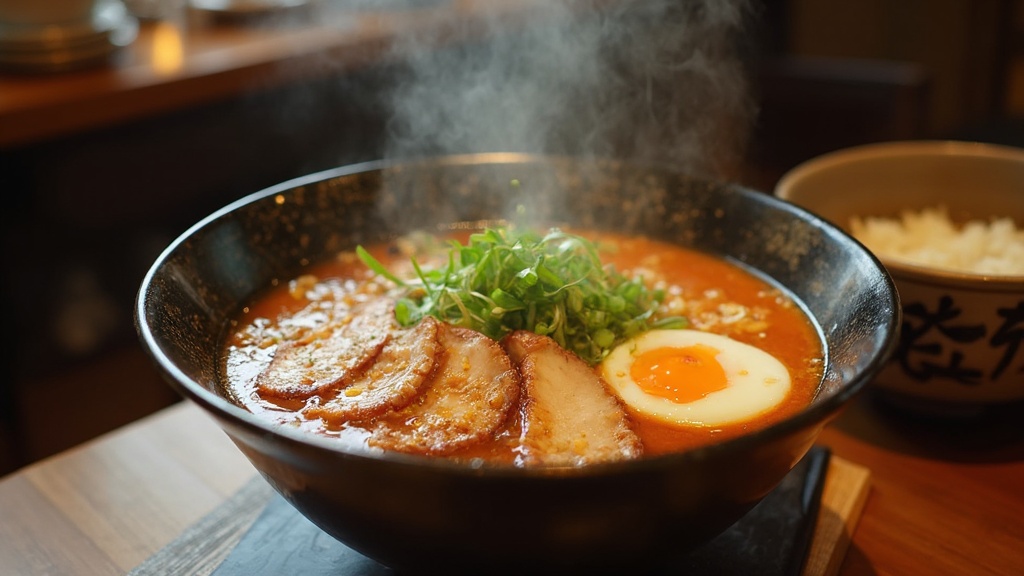
Best Ramen Shops in Tokyo: 12 Bowls Worth Waiting In Line For
A no-nonsense guide to Tokyo's best ramen shops - from legendary Shinjuku spots to hidden neighborhood gems serving tonkotsu, shoyu, miso, and tsukemen.

5 Tips to Save Money on Flights in 2026
Booking windows, alliance hacks, and mistake fare alerts — five updated strategies that are genuinely saving travelers $200–$500 on flights in 2026.

Best Greek Islands to Visit in Shoulder Season
The best Greek islands in shoulder season mean half the crowds, lower prices, and September seas that run warmer than most summer destinations.