
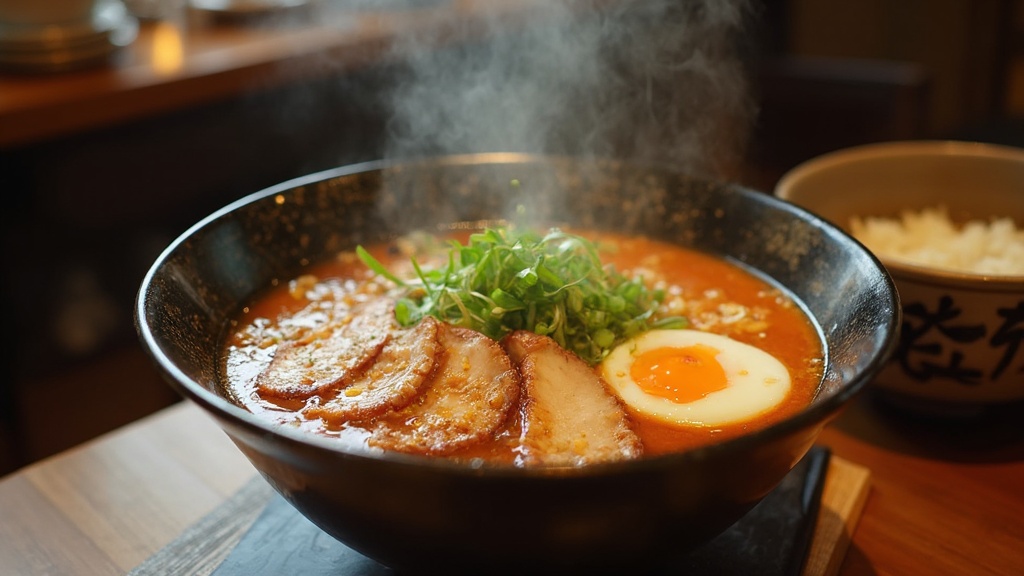
Best Ramen Shops in Tokyo: 12 Bowls Worth Waiting In Line For
Best Ramen Shops in Tokyo: 12 Bowls Worth Waiting In Line For
Tokyo has over 10,000 ramen shops. That's not a typo. Ten thousand places serving noodles in broth, each claiming theirs is the best.
So how do you choose?
After years of slurping through Shinjuku, Shibuya, Ikebukuro, and every train station in between, we've narrowed it down to 12 shops that actually deliver. Some are Michelin-starred institutions. Others are six-seat counters where the cook has been perfecting the same recipe for 40 years.
Here's the list, organized by ramen style.
A Quick Ramen Style Guide
Before we dive in, here's what you'll encounter:
- Tonkotsu - Creamy pork bone broth, usually milky white. Rich and heavy.
- Shoyu - Soy sauce-based, clear brown broth. Classic Tokyo style.
- Shio - Salt-based, light and delicate. Often chicken-based.
- Miso - Fermented soybean paste broth. Originated in Sapporo.
- Tsukemen - Dipping noodles. Noodles and broth served separately.
Got it? Let's eat.
Tonkotsu (Pork Bone Broth)
1. Fuunji (Shinjuku)
Style: Tsukemen / Tonkotsu blend
Wait time: 20-45 minutes
Price: ¥1,000-1,300
Fuunji is famous for one thing: their tsukemen. The thick, cold noodles come with a concentrated fish and pork broth so rich you'll want to drink it straight (and you should - they give you broth to dilute it at the end).
The shop seats maybe 12 people. The line forms early. Go at 10:30 AM or after 2 PM to minimize waiting.
Pro tip: Order the "atsumori" (hot noodles) in winter. Ask for extra noodles - the portion is already generous, but you'll want more.
Address: 3-35-7 Yoyogi, Shibuya-ku (5-min walk from Shinjuku Station South Exit)
2. Ichiran (Multiple Locations)
Style: Tonkotsu
Wait time: 10-30 minutes
Price: ¥890-1,200
Yes, it's a chain. Yes, tourists flock here. But Ichiran earned its reputation for a reason.
The private booth system is genius - you order from a ticket machine, sit in your own cubicle, and customize everything: broth richness, noodle firmness, garlic level, spice, green onions. A bamboo curtain separates you from the kitchen. The bowl slides through. No small talk. Just you and the ramen.
Their Hakata-style tonkotsu is creamy without being overwhelming. Perfect for first-timers who want to understand what good tonkotsu should taste like.
Best location: Shibuya (24 hours) or the Shinjuku underground mall.
3. Ramen Nagi (Shinjuku Golden Gai)
Style: Tonkotsu with a twist
Wait time: 15-40 minutes
Price: ¥900-1,100
Hidden in the tiny alleys of Golden Gai, Ramen Nagi is famous for their "King" - a black tonkotsu made with squid ink and roasted garlic. It looks intimidating. It tastes incredible.
The atmosphere is part of the experience. You're in one of Tokyo's most atmospheric drinking districts, surrounded by matchbox-sized bars. Order the King, add extra pork, and don't wear white.
Address: Golden Gai, Shinjuku (look for the small sign)
Shoyu (Soy Sauce Broth)
4. Ramen Hayashida (Shibuya)
Style: Shoyu
Wait time: 30-60 minutes
Price: ¥950-1,200
Hayashida serves what many consider the best shoyu ramen in Tokyo. The clear brown broth is made from chicken, pork, and dried sardines, simmered for hours until every flavor is extracted.
The noodles are thin and springy. The chashu (braised pork) melts on contact. The soft-boiled egg is seasoned perfectly.
This is Tokyo ramen at its finest - refined, balanced, and deeply satisfying.
Address: 1-19-3 Shibuya, Shibuya-ku (near Shibuya Station)
5. Menya Musashi (Shinjuku)
Style: Shoyu / Tsukemen
Wait time: 20-40 minutes
Price: ¥890-1,100
Named after the legendary samurai Miyamoto Musashi, this shop serves bold, double-soup ramen (a blend of pork and fish broths). The Shinjuku location is the original, and it's been drawing crowds since 1996.
Their tsukemen is excellent - thick noodles with a concentrated dipping broth that's part umami bomb, part nostalgia trip.
Pro tip: The "Karamucho" limited-edition spicy version is worth trying if available.
Address: 7-2-6 Nishi-Shinjuku (inside the Omoide Yokocho area)
6. Afuri (Multiple Locations)
Style: Shio / Yuzu Shoyu
Wait time: 10-25 minutes
Price: ¥980-1,300
Afuri is the light, refreshing counterpoint to heavy tonkotsu shops. Their signature "yuzu shio" ramen features a clear chicken broth infused with yuzu citrus - bright, aromatic, and unlike anything else in Tokyo.
The Ebisu and Roppongi locations have great atmosphere. If you're craving ramen but want something that won't put you in a food coma, Afuri is the answer.
Best for: Summer days, lighter appetites, citrus lovers.
Miso Ramen
7. Misoya Hachiro (Shibuya)
Style: Miso
Wait time: 15-30 minutes
Price: ¥900-1,100
Tokyo isn't known for miso ramen - that honor goes to Sapporo. But Misoya Hachiro makes a compelling case.
Their signature bowl uses three types of miso blended together. The result is complex, slightly sweet, and warming in a way that's perfect for cold Tokyo winters.
Order the extra butter and corn for the full Hokkaido experience.
Address: 2-10-12 Dogenzaka, Shibuya-ku
8. Soranoiro (Tokyo Station)
Style: Veggie Miso / Shio
Wait time: 10-20 minutes
Price: ¥950-1,300
Soranoiro made headlines as one of Tokyo's few ramen shops catering to vegetarians and vegans. Their veggie-based miso ramen proves you don't need pork bones for depth.
Even if you eat meat, try it. The carrot-based "veggie soba" is creative and genuinely delicious. It's inside Tokyo Station's Ramen Street, making it perfect for a meal before catching the Shinkansen.
Address: Tokyo Station First Avenue (B1 Ramen Street)
Tsukemen (Dipping Noodles)
9. Tomita (Matsudo)
Style: Tsukemen
Wait time: 1-3 hours (yes, really)
Price: ¥1,000-1,400
Tomita is widely considered the best tsukemen in Japan. It's won the Tokyo Ramen of the Year award multiple times. The catch? It's in Matsudo, about 30 minutes from central Tokyo, and lines start forming at 6 AM.
Is it worth it? If you're a ramen obsessive, absolutely. The gyokai tonkotsu (fish and pork) dipping broth is concentrated perfection. The noodles are chewy and thick. The whole experience feels like a pilgrimage.
Pro tip: Go on a weekday. Arrive before 9 AM. Bring something to read.
Address: Matsudo Station area, Chiba Prefecture
10. Rokurinsha (Tokyo Station)
Style: Tsukemen
Wait time: 30-60 minutes
Price: ¥900-1,200
If you can't make it to Tomita, Rokurinsha is the next best thing - and it's conveniently located in Tokyo Station's Ramen Street.
Their tsukemen features thick, bouncy noodles and a rich fish-pork broth that's almost stew-like in consistency. The portion is huge. The flavors are intense.
The line is always long, but it moves quickly. Worth the wait, especially if you're killing time before a train.
Address: Tokyo Station First Avenue (B1 Ramen Street)
Wild Cards
11. Nakiryu (Otsuka)
Style: Tantanmen (Sichuan-style)
Wait time: 45-90 minutes
Price: ¥900-1,200
Nakiryu earned a Michelin star in 2017 and has held it ever since. Their specialty is tantanmen - spicy, sesame-based, with a perfect hit of numbing Sichuan pepper.
The shop seats eight people. The chef makes everything himself. The attention to detail is obsessive - from the hand-pulled noodles to the layered spice oils.
This isn't traditional Japanese ramen. It's better.
Address: 2-34-4 Minami-Otsuka, Toshima-ku
12. Konjiki Hototogisu (Shinjuku)
Style: Shio / Shoyu
Wait time: 30-60 minutes
Price: ¥1,000-1,400
Another Michelin-starred shop, Konjiki Hototogisu serves a refined, delicate bowl that's almost soup-like in its elegance. The broth combines clams, chicken, and dashi for layers of umami.
It's the opposite of heavy tonkotsu - subtle, clean, and surprisingly filling. The truffle-flavored limited edition (if available) is extraordinary.
Address: 2-4-1 Shinjuku, Shinjuku-ku
Practical Tips for Tokyo Ramen Hunting
Ticket Machines
Most ramen shops use ticket machines (食券機). Here's how:
- Look for the machine near the entrance
- Insert cash (many don't take cards)
- Press the button for your ramen choice
- Hand the ticket to the staff when seated
If you can't read Japanese, look for pictures or point at what the person before you ordered.
Timing
- Avoid: 12-1 PM (lunch rush), 6-8 PM (dinner rush)
- Best times: 10-11 AM, 2-4 PM, after 9 PM
- Weekdays: Shorter lines than weekends
Etiquette
- Slurping is encouraged. It cools the noodles and shows appreciation.
- Don't linger. Eat, enjoy, leave. Others are waiting.
- Finish your broth (or most of it) - it's considered polite.
What to Order
First time? Start with the shop's signature bowl. No substitutions. Trust the chef.
Once you know the basics, customize:
- Noodle firmness: Katame (firm), futsu (normal), yawarakame (soft)
- Broth richness: Kotteri (rich), assari (light)
- Extra toppings: Ajitama (seasoned egg), chashu (pork), nori (seaweed)
Plan Your Tokyo Food Trip
Ramen is just the beginning. Tokyo's food scene spans everything from ¥300 conveyor-belt sushi to multi-course kaiseki dinners.
For more recommendations, check our Tokyo Travel Guide - covering neighborhoods, day trips, and where to stay.
And if you're planning a bigger Japan itinerary, start with our Japan First-Timer's Guide for the complete picture.
Happy slurping.
Related Posts

Tokyo Nightlife: From Golden Gai to Shibuya Sky
Your complete Tokyo nightlife guide: from Golden Gai's 200 micro-bars to Kabukicho neon, live music in Shimokitazawa, and rooftop views from Shibuya Sky.
Best Local Markets in Europe: A Food Lover's Guide to Authentic Finds
Skip the tourist traps and discover Europe's most vibrant local markets - from Barcelona's Boqueria to Budapest's Great Market Hall, these are the spots where locals actually shop.

5 Tips to Save Money on Flights in 2026
Booking windows, alliance hacks, and mistake fare alerts — five updated strategies that are genuinely saving travelers $200–$500 on flights in 2026.