
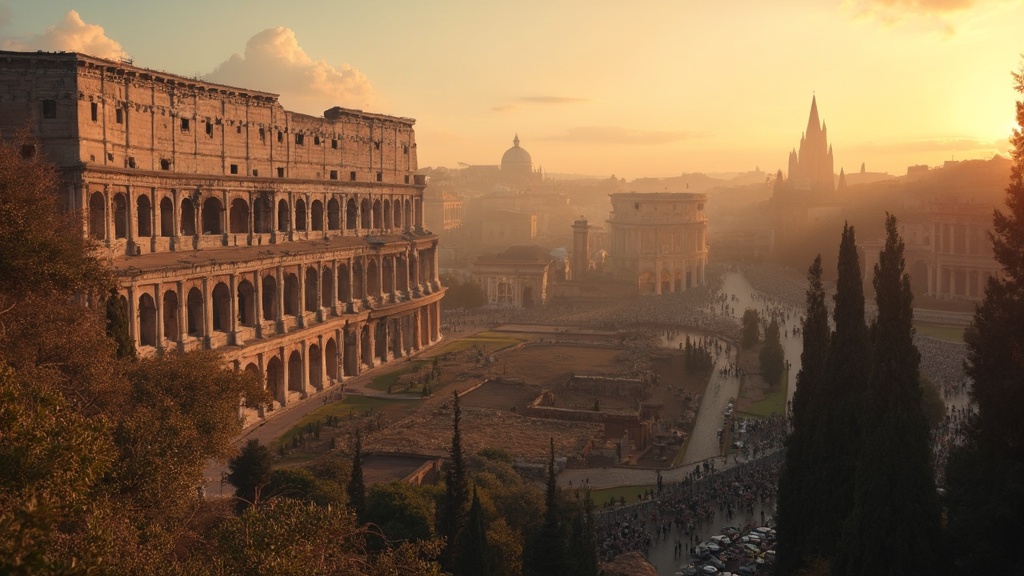
Italy Travel Guide: From Ancient Ruins to Coastal Paradise
Italy Travel Guide: From Ancient Ruins to Coastal Paradise
Italy isn't just a destination - it's a feeling. That first bite of authentic carbonara in a tiny Roman trattoria, the gasp when you turn a corner and see the Colosseum rising against a golden sky, the gentle lapping of water against a Venetian gondola. This is la dolce vita, and it's waiting for you.
Why Visit Italy?
Italy offers something that few countries can match: an overwhelming concentration of history, art, cuisine, and natural beauty packed into a boot-shaped peninsula. Consider this - Italy has more UNESCO World Heritage Sites than any other country on Earth. Every cobblestone tells a story.
Best reasons to visit:
- World-class art and architecture at every turn
- Arguably the best cuisine on the planet
- Ancient history you can touch and explore
- Stunning coastlines and dramatic landscapes
- Fashion capital of the world (hello, Milan!)
- Incredibly welcoming locals
Best Time to Visit Italy
Peak Season (June - August)
- Warmest weather, longest days
- Highest prices and biggest crowds
- Perfect for beach destinations
- Book accommodation months in advance
Shoulder Season (April - May, September - October)
- Our recommendation for most travelers
- Pleasant weather, fewer crowds
- Lower prices than summer
- Ideal for city exploration
Low Season (November - March)
- Coldest months, some rain
- Lowest prices and minimal crowds
- Great for museums and indoor attractions
- Ski season in the Italian Alps
Top Destinations in Italy
Rome: The Eternal City
No Italy trip is complete without Rome. The capital city is an open-air museum where ancient ruins, Renaissance masterpieces, and modern Italian life coexist beautifully.
Must-See Attractions:
- Colosseum - Book skip-the-line tickets or face 2+ hour waits
- Vatican Museums & Sistine Chapel - Go early morning or late afternoon
- Roman Forum - Combine with Colosseum ticket for savings
- Pantheon - Free entry, best at noon when light streams through the oculus
- Trevi Fountain - Visit at night for fewer crowds and magical lighting
Where to Stay:
- Centro Storico - Walking distance to everything, most expensive
- Trastevere - Charming neighborhood with great restaurants
- Monti - Hip, local vibe with boutique shops
- Testaccio - Authentic Roman food scene
Pro Tips:
- The Roma Pass covers public transport plus museum entries
- Book Vatican tickets online at least 2 weeks ahead
- Avoid restaurants right next to major attractions
- Tap water is safe and delicious - bring a reusable bottle
Florence: Renaissance Heart
Florence (Firenze) is where the Renaissance was born, and the city preserves this incredible artistic legacy in its stunning galleries and churches.
Must-See Attractions:
- Uffizi Gallery - Home to Botticelli's Birth of Venus and works by Leonardo, Michelangelo
- Galleria dell'Accademia - See Michelangelo's David up close
- Duomo - Climb Brunelleschi's dome for panoramic views
- Ponte Vecchio - Medieval bridge lined with jewelry shops
- Palazzo Pitti - Massive palace with Boboli Gardens
Where to Stay:
- San Lorenzo - Central, near train station
- Oltrarno - Artisan workshops, local atmosphere
- Santa Croce - Quieter, still walkable to center
Day Trips from Florence:
- Siena (1 hour) - Medieval towers and famous Palio horse race
- Pisa (1 hour) - Yes, the leaning tower is worth it
- Cinque Terre (2.5 hours) - Colorful coastal villages
- San Gimignano (1 hour) - "Medieval Manhattan" with 14 towers
Venice: City of Canals
Venice defies logic - a city built on 118 islands, connected by 400 bridges, with canals instead of streets. It's unlike anywhere else on Earth.
Must-See Attractions:
- St. Mark's Square - The "drawing room of Europe"
- Doge's Palace - Gothic masterpiece, cross the Bridge of Sighs
- Grand Canal - Take a vaporetto (water bus) for the best views
- Rialto Bridge - Iconic 16th-century stone arch
- Islands - Murano (glass), Burano (colorful houses), Torcello (ancient churches)
Beating the Crowds:
- Venice is notoriously crowded, especially from cruise ships
- Stay overnight - crowds thin dramatically after 6 PM
- Get lost in the side streets - that's where the real Venice hides
- Visit November - February for fewer tourists
Getting Around:
- Walk everywhere possible
- Vaporetto passes save money if you're island-hopping
- Gondolas are expensive (€80+) but magical at sunset
- Water taxis are quickest but priciest
Amalfi Coast: Dramatic Beauty
The Amalfi Coast (Costiera Amalfitana) is where mountains plunge into the Mediterranean, creating one of the world's most scenic drives.
Key Towns:
- Positano - Pastel houses cascading down cliffs, most photographed
- Amalfi - Historic maritime republic, stunning cathedral
- Ravello - Hilltop gardens with incredible views
- Praiano - Quieter alternative to Positano
- Atrani - Tiny authentic fishing village
Getting There & Around:
- Naples is the gateway city
- SITA buses connect coastal towns (scenic but winding!)
- Ferries run between major towns in summer
- Renting a car? Be prepared for narrow, cliff-hugging roads
Best Experiences:
- Boat trip to Capri and the Blue Grotto
- Hiking the Path of the Gods (Sentiero degli Dei)
- Fresh seafood at a cliffside restaurant
- Limoncello tasting - this is where it's made
- Beach hopping (Marina Grande, Fornillo, Atrani)
Beyond the Classics
Milan - Fashion, design, and Da Vinci's Last Supper Naples - Best pizza on Earth, gateway to Pompeii Bologna - Italy's food capital (ragù was invented here) Turin - Elegant Baroque architecture, excellent chocolate Verona - Romeo and Juliet's city, gorgeous Roman arena Lake Como - George Clooney's neighborhood, pristine alpine waters
Italian Food: A Culinary Journey
Italian food is deeply regional - what you eat in Rome differs from Naples, which differs from Bologna. Embrace this diversity.
Regional Specialties
Rome:
- Cacio e pepe (pecorino cheese and black pepper pasta)
- Carbonara (guanciale, egg, pecorino - never cream!)
- Supplì (fried rice balls)
- Carciofi alla giudia (Jewish-style artichokes)
Naples:
- Pizza Margherita (the birthplace)
- Sfogliatella (shell-shaped pastry)
- Ragù Napoletano (slow-cooked meat sauce)
Florence/Tuscany:
- Bistecca alla Fiorentina (massive T-bone steak)
- Ribollita (bread and vegetable soup)
- Pappa al pomodoro (tomato bread soup)
Bologna/Emilia-Romagna:
- Tagliatelle al ragù (the "real" bolognese)
- Tortellini in brodo
- Prosciutto di Parma and Parmigiano-Reggiano
Venice/Veneto:
- Risotto al nero di seppia (squid ink risotto)
- Sarde in saor (sweet and sour sardines)
- Cicchetti (Venetian tapas)
Food Etiquette
- Breakfast is light - Usually just espresso and a cornetto (croissant)
- Lunch (pranzo) - 12:30-14:30, often the main meal
- Aperitivo - Pre-dinner drinks with snacks, around 18:00-20:00
- Dinner (cena) - Starts around 20:00 or later
- Coperto - The bread/cover charge is normal and expected
- Tipping - Not expected but 1-2€ for good service is appreciated
- No cappuccino after 11 AM - Espresso or macchiato instead
Budget Guide
Italy can be expensive, but budget travel is absolutely possible with smart planning.
Daily Budget Estimates
Budget (€60-90/day):
- Hostels or budget hotels
- Aperitivo for dinner (free food with drinks)
- Picnic lunches from markets
- Walking or public transport
- Free attractions and churches
Mid-Range (€120-200/day):
- 3-star hotels or nice Airbnbs
- Restaurant meals twice daily
- Occasional museum entries
- Mix of transport options
Luxury (€300+/day):
- Boutique hotels
- Fine dining experiences
- Private tours
- Taxis and premium trains
Money-Saving Tips
- Free museum days - First Sunday of month at state museums
- Picnic lunch - Fresh bread, cheese, prosciutto from alimentari
- Aperitivo - Generous free food with drink purchase (especially Milan and Turin)
- Regional trains - Much cheaper than high-speed Frecciarossa
- Fill water bottles - Italy has thousands of free drinking fountains
- Eat where locals eat - Away from tourist zones
- Book direct - Hotels often offer better rates than booking sites
Getting Around Italy
By Train
Italy's train network is excellent. Two main types:
High-Speed (Frecciarossa, Frecciargento, Italo):
- Rome to Florence: 1.5 hours
- Florence to Venice: 2 hours
- Rome to Naples: 1 hour
- Book early for best prices (can be 50% cheaper)
Regional (Regionale):
- Slower but much cheaper
- Good for shorter journeys
- No reservations needed
Booking: Trenitalia.com or Italotreno.it - book 4-6 weeks ahead for cheapest fares.
By Car
Renting a car makes sense for:
- Tuscany's countryside and wineries
- Amalfi Coast (if you're brave)
- Sicily's interior
- Puglia's trulli villages
ZTL Zones: Most historic city centers have restricted traffic zones. Drive in = automatic fine. Check your hotel's policy.
By Plane
Budget airlines (Ryanair, EasyJet) connect major cities cheaply, but factor in:
- Airport locations (often far from center)
- Baggage fees
- Transfer costs
Often, trains are more convenient for journeys under 4 hours.
Practical Information
Visa & Entry
- EU/Schengen citizens: No visa required
- US/UK/Canada/Australia: 90 days visa-free
- Others: Check Italian embassy requirements
Safety
Italy is generally very safe. Watch out for:
- Pickpockets in tourist areas and on public transport
- Taxi scams - only use official taxis with meters
- Restaurant tourist traps near major attractions
Language
English is widely spoken in tourist areas, but learning basic Italian goes a long way:
- Buongiorno (Good morning/day)
- Grazie (Thank you)
- Prego (You're welcome)
- Scusi (Excuse me)
- Il conto, per favore (The bill, please)
Connectivity
- EU roaming applies for EU residents
- Prepaid SIM cards (TIM, Vodafone, Wind) available at airports
- Most hotels and cafes have WiFi
Sample Itineraries
One Week: Classic Italy
- Days 1-3: Rome (Colosseum, Vatican, Trastevere)
- Day 4: Train to Florence
- Days 4-5: Florence (Uffizi, Duomo, Tuscan day trip)
- Days 6-7: Venice (canals, islands, getting lost)
Two Weeks: North to South
- Days 1-2: Milan (Last Supper, Duomo)
- Days 3-4: Lake Como or Cinque Terre
- Days 5-6: Florence
- Days 7-9: Rome
- Days 10-11: Naples and Pompeii
- Days 12-14: Amalfi Coast
Three Weeks: The Grand Tour
Add Sicily, Puglia, or extensive Tuscany exploration to the two-week itinerary. Italy rewards slow travel - don't try to see everything.
Final Tips
- Slow down - Quality over quantity. Better to savor three cities than rush through ten.
- Get lost - The best discoveries happen when you wander without a map.
- Eat local - If the menu has photos or someone's outside recruiting, walk away.
- Learn to say no - To aggressive street vendors and restaurant touts.
- Dress appropriately - Covered shoulders and knees for churches.
- Embrace the chaos - Italians run on their own time. That's part of the charm.
Italy will change you. The art will move you, the food will spoil you, and the beauty will haunt you long after you've returned home. That's the Italian way - it gets under your skin and never quite leaves.
Buon viaggio!
Related Posts
Paris Travel Guide: Ultimate Guide to the City of Light
Discover the best of Paris with our comprehensive guide covering top attractions, food, neighborhoods, day trips, and essential tips for an unforgettable trip to the City of Light.
Croatia Travel Guide: From Adriatic Jewels to Ancient Walled Cities
Planning a trip to Croatia? This guide covers the best places to visit, when to go, how to get around, what to eat, and how to build a smooth first itinerary.
Complete France Travel Guide: Paris, Provence, the Riviera and Beyond
Planning a trip to France? This complete guide covers the best places to visit, how to get around, when to go, what to eat, and a simple itinerary for first-time travelers.